
Key Takeaways
- The Technical Threshold of OTR: Utilizing high barrier vacuum packaging with an OTR below 0.1cc creates a 2000-fold performance leap over standard films to halt oxidation entropy.
- Supply Chain Risk Hedging: Investing in superior oxygen barrier technology acts as financial insurance against peroxide value spikes, preventing costly product recalls and protecting brand equity.
- Preservation of Sensory Assets: Advanced nano barrier materials are critical for aroma retention and maintaining the visual stability of sensitive proteins during long-distance global distribution.
- Integrity and Failure Prevention: Superior puncture resistance and vacuum seal integrity prevent the cascading failure of oxidation, ensuring product safety remains uncompromised throughout the entire logistics cycle.
Read on to discover how high-barrier science transforms packaging from a cost center into a profit driver.
Introduction
For global supply chains, oxidation entropy is a silent profit killer that turns high-value exports into liability-heavy waste. Whether it is a spike in peroxide value control failures or the sudden loss of sensory assets in aromatic products, the financial impact of inadequate packaging is often realized too late. In an era where cold chain costs are rising, relying on basic storage solutions is no longer a viable strategy for protecting brand equity against the rigors of long-distance distribution.
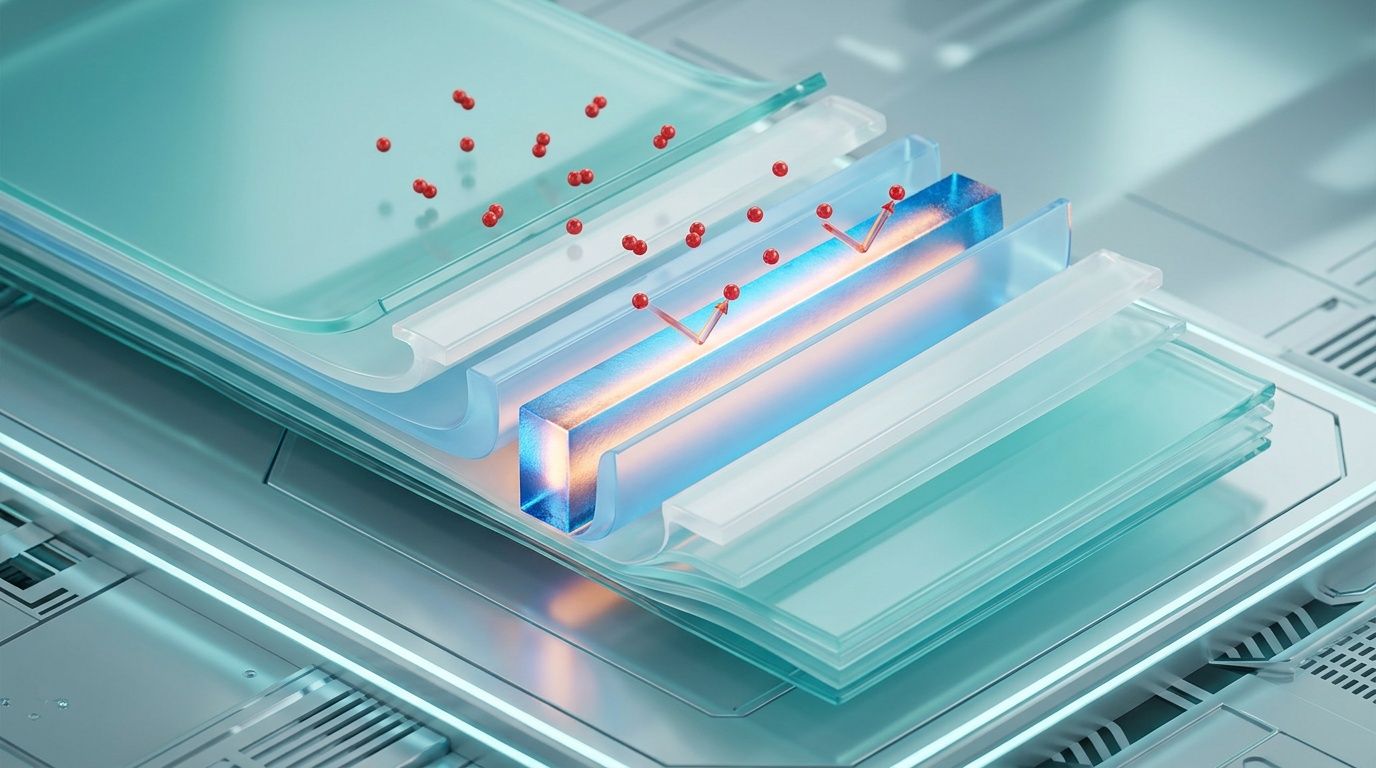
As shown in our recent performance breakdown video, the difference between a standard pouch and high barrier vacuum packaging lies at the molecular level. The video illustrates how nano barrier materials create a complex maze for gas molecules, effectively slowing down the degradation process that ruins proteins and fats. By adhering to OTR standards for food that demand levels below 0.1cc, processors can achieve a performance leap over standard films, ensuring that food oxidation prevention is maintained even during the most demanding logistics cycles.
This guide explores the technical ROI of investing in superior oxygen barrier technology. We will examine how vacuum seal integrity and aroma retention film serve as essential risk management tools, allowing businesses to maximize shelf life extension windows and eliminate the visual and chemical death points of sensitive goods. Read on to discover how upgrading your vacuum pouch manufacturing specifications can shift your packaging strategy from a cost center to a significant driver of supply chain resilience.
The heavy steel doors of a 40-foot refrigerated container creak open at the Port of Rotterdam. It is a critical, high-stakes moment for any exporter. In this specific case, a shipment of premium macadamia nuts, valued at over $50,000, had traveled for 35 days across three climate zones. As the inspector breaks the seal, there is no visible damage to the pallets. The vacuum bags look tight, hugging the product like a second skin. But as the first master carton is opened, a heavy odor of rancid fats—hexanal and secondary aldehydes—fills the air.
At the molecular level, the shipment was compromised before it even cleared the Suez Canal. The “tight” bags were made of standard 100-micron LDPE/Nylon laminates, which the buyer assumed were sufficient. They were not. Oxygen had been permeating through the plastic walls at a rate of 35cc per square meter every single day. By week three, the peroxide value (PV) of the nuts had spiked past the 10 meq/kg threshold of safety. This is not just a logistical failure; it is a fundamental misunderstanding of the physics of gas transmission. In the modern global supply chain, relying on basic vacuum packaging for high-fat or oxygen-sensitive goods is a significant financial risk.
The Invisible Leak: Why “Vacuumed” Does Not Equal “Protected”
The most dangerous misconception in the packaging industry is that a vacuum seal is a permanent barrier. I have walked through numerous processing plants where managers point to a brick-hard vacuum pack and claim it is airtight. That is a mechanical truth, but a chemical inaccuracy. A vacuum creates a pressure differential that actually accelerates the drive of oxygen molecules from the high-pressure outside environment to the low-pressure interior. If your film doesn’t have a high-barrier nano-layer, you aren’t protecting the product; you are essentially suctioning oxygen through the plastic pores.
The $500,000 Recall: A Lesson in Oxidation Entropy
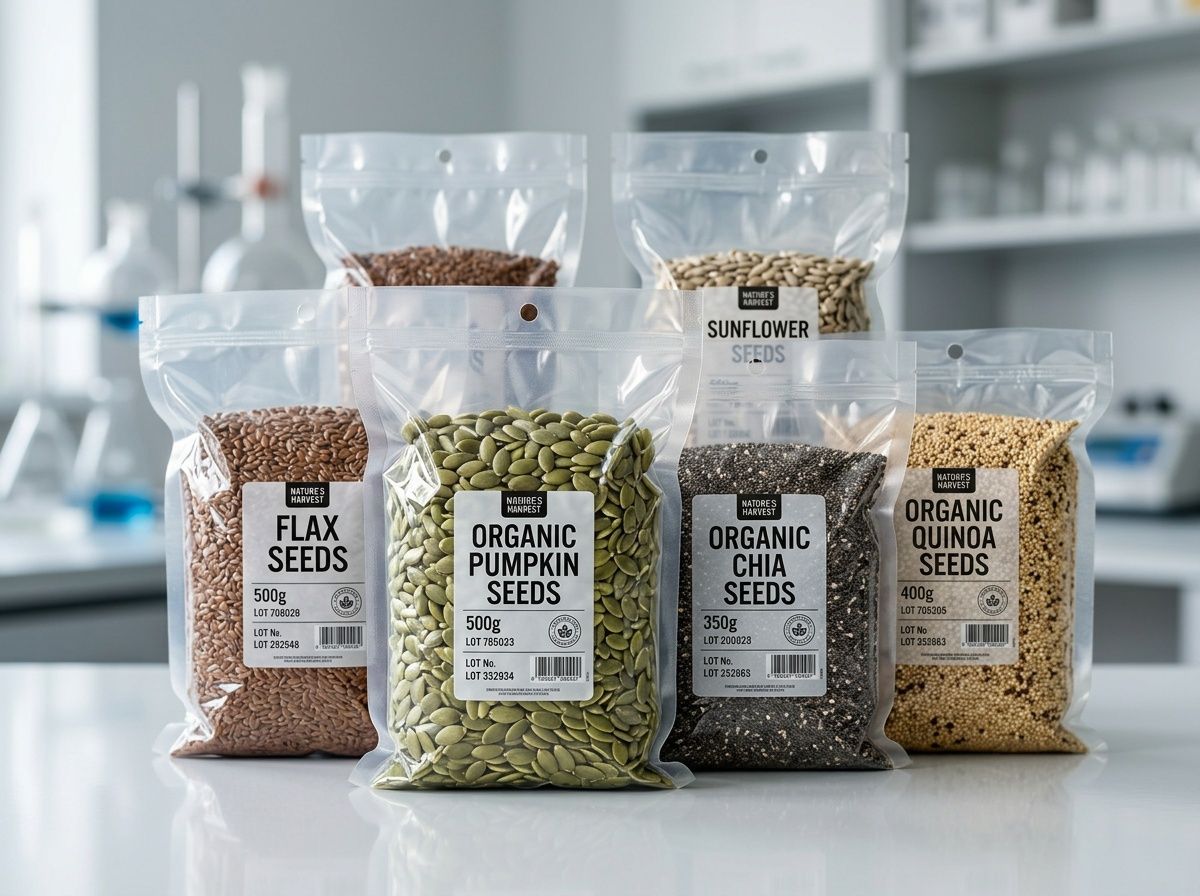
I remember a client based in Europe who exported organic sunflower seeds. They opted for a standard 3-layer Industrial Vacuum Bags construction to save $0.04 per unit. On paper, the savings appeared substantial—nearly $40,000 across the annual contract. However, they ignored the “Lag Time” of oxidation. Oxidation is not a linear process; it is an exponential cascade. For the first 20 days, the seeds’ natural antioxidants (tocopherols) resisted the invading oxygen. But once those were exhausted, the peroxide values spiked rapidly.
By the time the product hit retail shelves, the seeds suffered significant sensory degradation. The resulting recall cost them $500,000 in freight-back fees, disposal costs, and laboratory testing. More importantly, they lost their organic certification because the chemical breakdown of the lipids triggered secondary markers that failed their quality audits. They saved four cents on the bag and lost half a million on the brand. This is the definition of oxidation entropy: the natural tendency of your product to degrade unless you utilize the correct material science to stop it.
Defining the “Profit Black Hole” in Global Logistics
When we talk about a “Profit Black Hole,” we are referring to the 3% to 8% of inventory that is lost due to sensory degradation before it can be sold. In the food industry, where margins are often thin, a 5% loss in shippable inventory can represent 50% of your net profit. Standard films function as leaky buckets, allowing volatile organic compounds (VOCs) to escape and oxygen to enter.
In today’s market, the difference between a successful export and a total loss is often measured in the Oxygen Transmission Rate (OTR). If your OTR is above 2.0 cc/m²/24h, you are in the danger zone for any product with a shelf life requirement exceeding 90 days. My engineering team often sees clients trying to compensate for poor film quality by increasing vacuum pump time. It is ineffective. You can pull a 99.9% vacuum, but if the material is porous at the molecular level, that vacuum will be compromised within 72 hours. You need flexible food packaging solutions that utilize true high-barrier resins.
The Psychological Trap of the “Tight Seal”
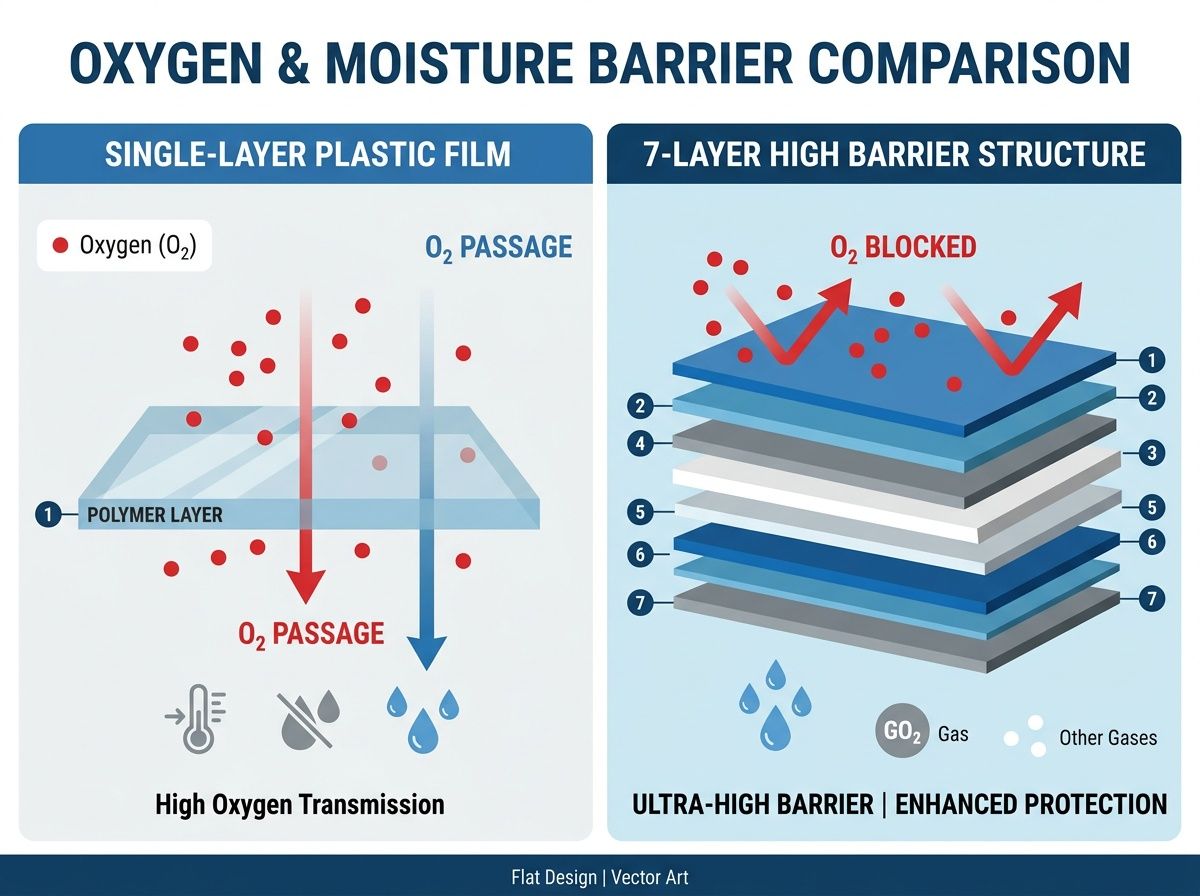
There is a tactile satisfaction in a tight vacuum seal. It feels secure. However, this is a psychological trap. I’ve seen 150-micron bags that appear highly robust but have the gas barrier of a screen door because they are composed entirely of PE and low-grade Nylon. Conversely, a 60-micron 7-Layer PA/EVOH/PE Co-extruded Film might feel thinner, but its ability to stop oxygen is 2000 times greater.
The “tightness” only confirms that the heat sealer functioned correctly. It tells you nothing about the molecular maze the oxygen must navigate to reach your product. We must stop judging packaging by its thickness and start judging it by its OTR and WVTR (Water Vapor Transmission Rate) certifications. If your supplier cannot produce a COA (Certificate of Analysis) showing an OTR below 0.1 for high-sensitivity goods, you are not buying protection; you are buying simple plastic wrap.
The Physics of 0.1 OTR: Decoding the Molecular Maze
To understand why 0.1 OTR is the “Golden Standard,” we must look at the physics of gas permeation. Oxygen molecules are relentless. They do not just leak through holes; they dissolve into the polymer surface, migrate through the polymer chains via hopping into free-volume gaps, and then desorb on the other side. This is governed by Fick’s Law of Diffusion. To stop them, we must make that movement as difficult as possible.
Quantifying the 2000-fold Performance Leap
Let’s look at the data. A standard LDPE (Low-Density Polyethylene) bag has an OTR of roughly 2500 to 3000 cc/m²/24h. It functions as an unrestricted gas pathway. When we move to a standard PA/PE (Nylon/Polyethylene) laminate, that number drops to about 40 to 60 cc. That is a massive improvement, but for long-term storage, it remains insufficient.
When we introduce EVOH (Ethylene Vinyl Alcohol) in a 7-layer or 9-layer co-extrusion, we can push that OTR down to 0.1 cc or even lower.
| Material Structure | Typical OTR (cc/m²/24h) | Barrier Category | Ideal Use Case |
|---|---|---|---|
| Standard LDPE Mono-layer | 2,500 – 3,500 | Non-Barrier | 24-hour produce transport |
| PA/PE Laminate (Standard) | 40 – 65 | Low Barrier | 30-day processed meat |
| PA/PE High-Nylon (30%) | 25 – 35 | Medium Barrier | 60-day refrigerated storage |
| 7-Layer PA/EVOH/PE | 0.05 – 0.5 | High Barrier | 12-month+ export quality |
| Aluminum Foil Vacuum Packaging Bag | 0.00 (Limit of Detection) | Ultra-High Barrier | 5-year military/emergency rations |
Pro Tip: Note the jump from PA/PE to EVOH. It is not a marginal gain; it is a 2000x increase in effectiveness. If you are shipping nuts, coffee, or dried proteins, moving to that 0.1 OTR tier is the single best ROI move you can make.
Fick’s Law of Diffusion in Polymer Membranes
As demonstrated in our laboratory analysis regarding molecular movement, the difference between a standard seal and a high-barrier matrix is the difference between a sieve and a vault. Fick’s Law ($J = -D \cdot dC/dx$) tells us that the flux ($J$) of oxygen depends on the diffusion coefficient ($D$) of the material. In EVOH, the molecular structure is so crystalline and tightly packed that the free volume is almost non-existent.
Imagine an oxygen molecule attempting to pass through a dense forest. In LDPE, the trees are 50 feet apart. In EVOH, the trees are 2 inches apart. The molecule must take a “tortuous path,” bouncing around millions of times before it finds a gap to the other side. This labyrinth effect is what prevents your products from developing off-flavors. When we engineer the 7-Layer PA/EVOH/PE Co-extruded Film, we are building a microscopic barrier that gas molecules cannot easily penetrate.
Relative Humidity and Barrier Volatility
A critical factor many suppliers overlook is that EVOH is hydrophilic. If it is exposed to moisture, its barrier properties degrade. If you take a raw EVOH film and place it in 90% humidity, its OTR might jump from 0.1 to 10.0. This is why co-extrusion is critical.
In a 7-layer structure, we “sandwich” the EVOH between layers of PE and Tie resins. The PE acts as a moisture shield, keeping the EVOH dry so it can effectively block oxygen. This is why we do not recommend simple laminates for tropical shipping routes. You need the structural integrity of a co-extruded shield. If your facility is in a high-humidity region, your barrier performance is only as good as your moisture-shielding layers.
Engineered Resilience: The Anatomy of 7-Layer to 9-Layer Co-extrusion
Historically, bags were produced by laminating two sheets of plastic together. While functional, lamination is a liability in high-stress logistics—where containers experience extreme temperature fluctuations. Adhesives can fail, and layers can delaminate.
Beyond Lamination: The Science of Simultaneous Extrusion
Co-extrusion is a more advanced process. Instead of adhering cold films together, we melt different resins simultaneously and push them through a single die. They bond at the molecular level while molten, creating a molecular interlock. This creates a single piece of material with multiple functional zones that cannot be peeled apart.
This process eliminates the solvent odors often associated with inexpensive laminated bags. Co-extrusion is cleaner, stronger, and more resilient to thermal shock. When we produce the 7-Layer PA/EVOH/PE Co-extruded Film, we use gravity and heat to create a bond that resists shipping vibrations.
The Role of Tie Layers and Structural Support
A 7-layer film is a high-performance system where every layer has a specific function:
- The Skin (Outer Layer): High-melting-point Nylon to withstand heat seal bars and resist scuffing.
- The Muscle (Structural Layers): These layers provide puncture resistance against sharp product edges.
- The Shield (EVOH Core): The 0.1 OTR engine. Although thin (5-7 microns), it performs 99% of the gas blocking.
- The Tie Layers: Specialized resins that bond incompatible layers (like PE and EVOH) together to prevent delamination.
- The Sealant (Inner Layer): Critical for the production floor, melting at precise temperatures to create a hermetic seal even in the presence of contaminants.
Uniformity Control in Nano-layer Manufacturing
The primary challenge in manufacturing is maintaining uniformity. Gauge variation of even 10% can ruin a shelf-life calculation. If a 12-month shelf life is based on a 7-micron barrier and the machine drifts to 5 microns, that window shrinks significantly. This is why we use automatic profile control systems to measure thickness every 10 milliseconds, ensuring precision and guaranteed ROI.
Protecting Sensory Assets: Aroma Retention and Visual Stability
For many products, freshness is about aesthetics and aroma as much as safety. If a consumer opens a bag of premium coffee and it lacks fragrance, brand perception is damaged. Oxygen is the enemy of both scent and color.
The “Brown Point”: Preventing Myoglobin Oxidation in Proteins
In beef, the red color is caused by oxymyoglobin. When oxygen levels in the pack are too high or fluctuate, the iron atom in the myoglobin molecule oxidizes into metmyoglobin. This is the “Brown Point.” While technically safe, the meat appears unappealing to consumers.
By using Vacuum Skin Film (VSP) with an OTR of < 0.1, we achieve a state of suspended animation. In VSP, the film wraps so tightly that there are no oxygen pockets, extending the shelf life of fresh beef from 7 days to 28 days or more. This extended window is critical for managing a profitable supply chain.
VOC Containment: Why Your Product’s Scent is a Financial Asset
Volatile Organic Compounds (VOCs) provide coffee, spices, and tea their value. These small molecules easily escape through standard plastic. If you can smell the product outside the bag, the value is dissipating.
We developed the Vacuum Brick Bag for Ground Coffee specifically for this purpose. The high-barrier layer keeps oxygen out while simultaneously containing VOCs. A leaky bag is a sensory drain. By the time the consumer opens the package, the aroma should be as intense as the moment the product was processed.
Lipid Oxidation and the Peroxide Value (PV) Threshold
Lipid oxidation is a chain reaction that is nearly impossible to stop once it begins. This makes residual oxygen levels critical. We aim for a vacuum process that achieves < 0.1% residual oxygen.
In nuts and fried snacks, the Peroxide Value (PV) is the metric that determines quality. High PV levels lead to off-flavors. A 0.1 OTR bag keeps the PV curve flat for months, providing a chemical shield against inventory loss in high-temperature regions.
The Math of Risk Management: Hedging Against Supply Chain Volatility
Procurement decisions should be based on the Cost of Failure (COF) rather than just the Cost of Goods Sold (COGS).
The “Insurance Premium” Model of Packaging
Consider a product with a retail value of $50.00.
- Option A: A standard PA/PE bag costs $0.05.
- Option B: A high-barrier 7-layer bag costs $0.08.
The premium for the high-barrier bag is $0.03 to protect $50.00 of value. This is an insurance premium of 0.06%. If Option A results in a 5% spoilage rate and Option B results in 0.5%, the high-barrier bag pays for itself many times over before the shipment even leaves the dock.
Calculating the Ripple Effect of a Product Recall
A product failure in the field triggers a costly cascade:
- Reverse Logistics: Shipping the compromised product back.
- Disposal Fees: Environmental regulations regarding waste disposal.
- Lab Testing: Forensic analysis to determine failure causes for insurance and legal purposes.
- Brand Equity: The long-term impact on retailer relationships and market reputation.
ROI Projection: Comparing Spoilage Rates
| Metric | Standard Packaging (2.0+ OTR) | High Barrier (0.1 OTR) |
|---|---|---|
| Annual Export Volume | $10,000,000 | $10,000,000 |
| Estimated Spoilage/Markdown Rate | 8% ($800,000) | 1% ($100,000) |
| Packaging Cost (Annual) | $100,000 | $160,000 |
| Net Savings/Profit Boost | – | $640,000 |
Even with a 60% higher packaging spend, the reduction in spoilage creates a net profit boost of over $600,000. This is a high-yield investment.
Mechanical Fortification: Preventing the Failure Cascade
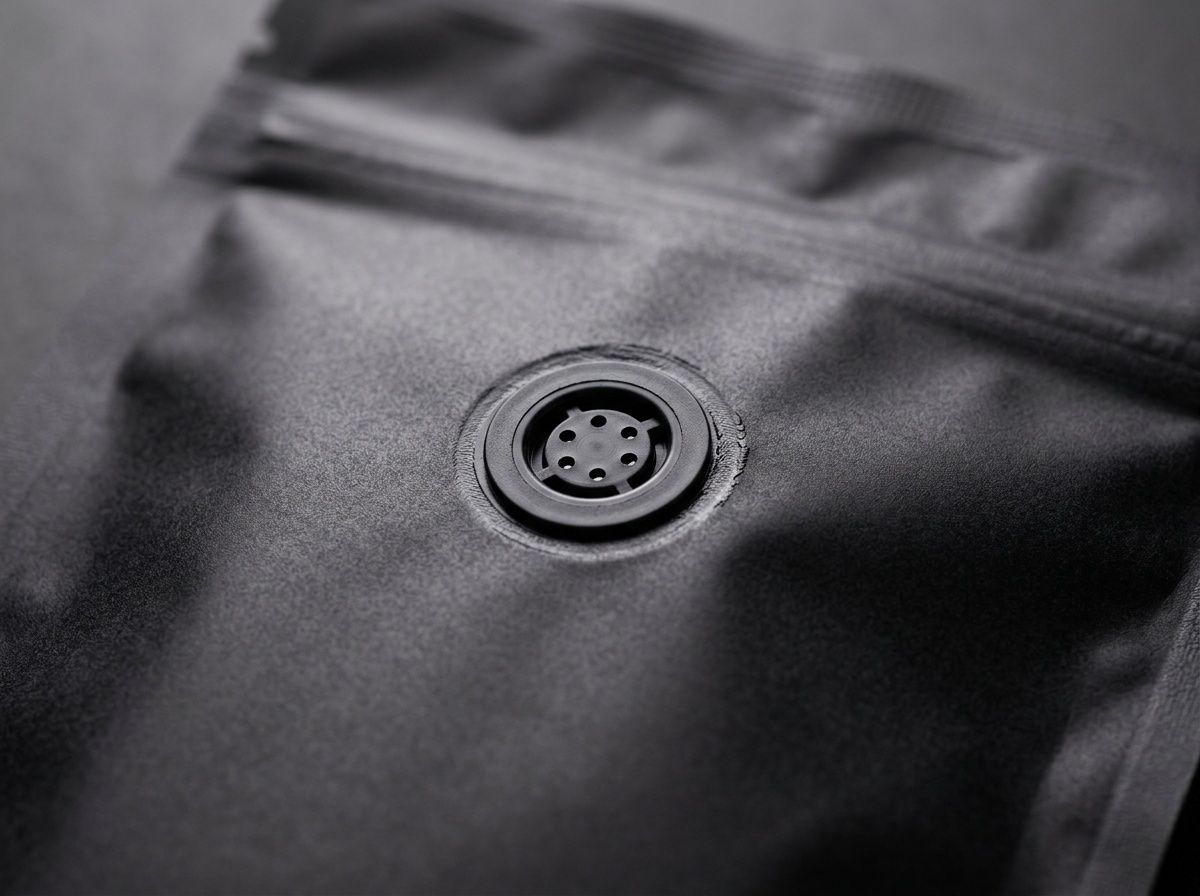
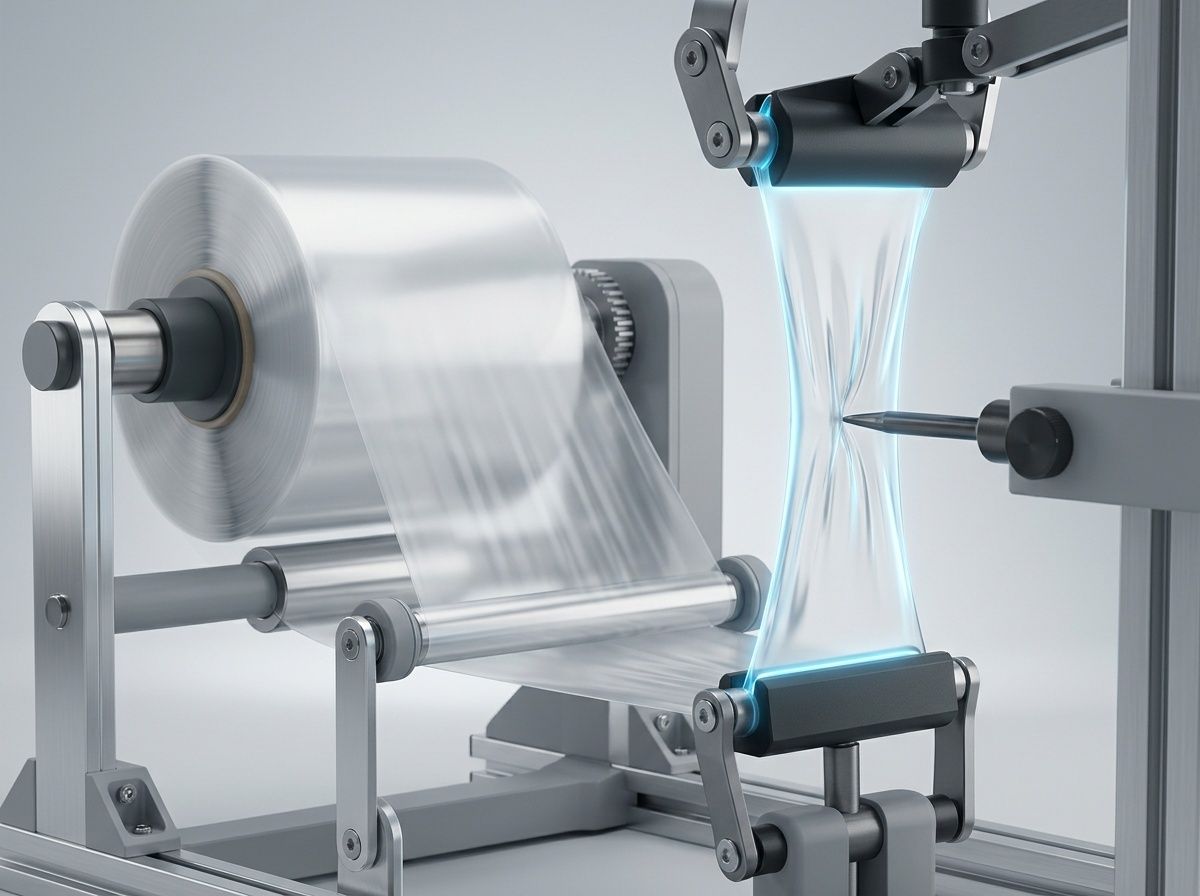
A perfect oxygen barrier is useless if the bag is punctured. Supply chains involve significant vibration and handling stress. In a vacuum-sealed bag, the film is under constant tension over the product.
The “Butterfly Effect” of Micro-Perforations
An invisible pinhole can ruin an entire pallet. Because the bag is under vacuum, it will draw air through that hole. This can also introduce moisture, promoting mold growth that can spread to neighboring units.
We prioritize flex-crack resistance—the ability of the film to be manipulated without the barrier layer cracking. Unlike brittle, inexpensive barrier films, a high-quality co-extrusion maintains its integrity after thousands of miles of transport vibration.
Multi-Axial Stretch and Puncture Resistance
For heavy-duty applications, we recommend the Puncture Resistant Nylon Vacuum Bag. This construction uses a high-ratio Nylon blend that allows the film to stretch around sharp points rather than piercing.
| Performance Metric | Standard PE Film | Nylon-Reinforced Barrier |
|---|---|---|
| Puncture Resistance (N) | 12.5 | 48.0 |
| Dart Drop Impact (g) | 180 | 650 |
| Elongation at Break (%) | 300% | > 550% |
If you are shipping bone-in meat or industrial parts, you require mechanical armor in addition to a gas barrier.
Flex-Crack Resistance: Maintaining the Barrier After Manipulation
In the cold chain, plastic can become brittle. If you use a low-quality barrier, folding the bag can create micro-fractures in the EVOH layer. We use Gelbo Flex testing to simulate this, ensuring our films maintain their 0.1 OTR after extensive manipulation.
Seal Integrity: The Chemistry of the Critical 5mm
The heat seal is the most vulnerable part of any package. Sealing is not just about melting plastic; it involves the chemistry of the sealant layer.
Sealing Through Contamination (Fats, Powders, and Liquids)
In production environments, the sealing area is often contaminated with juices, dust, or oils. Cheap LDPE sealants often fail to bond in these conditions, leading to cold welds that appear closed but fail under pressure.
We use advanced metallocene and ionomer resins in our Industrial Vacuum Bags. These resins are designed to move through small amounts of contamination during the heating cycle to form a secure bond.
Hot Tack Strength and Cooling Cycles
In high-speed lines, the bag is moved immediately after sealing. Hot Tack strength—the strength of the seal while still molten—prevents the seal from pulling apart before it cools. We engineer our films with a wide “sealing window” to ensure performance even as factory temperatures fluctuate.
Non-Destructive Testing (NDT) for Seal Validation
We utilize Methylene Blue dye penetration tests and the Bubble Leak Test (ASTM D3078) to validate seal integrity. As you transition to high-barrier OTR standards, these testing protocols should be integrated into your standard operating procedures.
Transitioning to High-Barrier OTR Standards: A Strategic Roadmap
Moving to high-performance barrier films requires auditing your quality control process.
Auditing Your Current Packaging Specs
Review your current COA for OTR and WVTR values tested at both 0% and 90% relative humidity. If the OTR jumps significantly at high humidity, the EVOH is not properly shielded. In modern logistics, a 7-layer structure is the baseline for professional export.
Pilot Testing for Shelf-Life Validation
We recommend accelerated aging tests—storing products at 40°C and 75% humidity—to simulate long-term storage in a short period. Conducting a split-test between old and new packaging will provide clear, empirical evidence of the ROI.
Future-Proofing with Sustainable High-Barriers
The market is increasingly demanding sustainable options. We are seeing the emergence of recyclable high-barriers using specialized nano-coatings or ultra-thin EVOH layers compatible with PE recycling streams. To balance the < 0.1 OTR threshold with sustainability goals, Contact our engineering team to discuss advanced solutions. Our Yun Sealoong’s technical standards are designed to ensure your supply chain is both resilient and responsible.
Conclusion: Safeguarding Your Brand at the Molecular Level
In global logistics, packaging thickness is not a substitute for high-performance protection. The true barrier between success and loss is the Oxygen Transmission Rate (OTR). Transitioning from standard laminates to 7-layer PA/EVOH/PE co-extruded films provides a 2000-fold increase in gas barrier efficiency, maintaining an OTR below 0.1cc/m²/24h to prevent oxidation.
Yun Sealoong is a premier manufacturer of high-precision barrier solutions. By focusing on molecular-level integrity and seal chemistry, we help you eliminate inventory loss and secure your product’s sensory assets.
Ready to optimize your packaging line and extend your shelf life?
Contact our engineering team today for a professional barrier analysis or to request a high-barrier sample kit tailored to your requirements.


0 Comments