
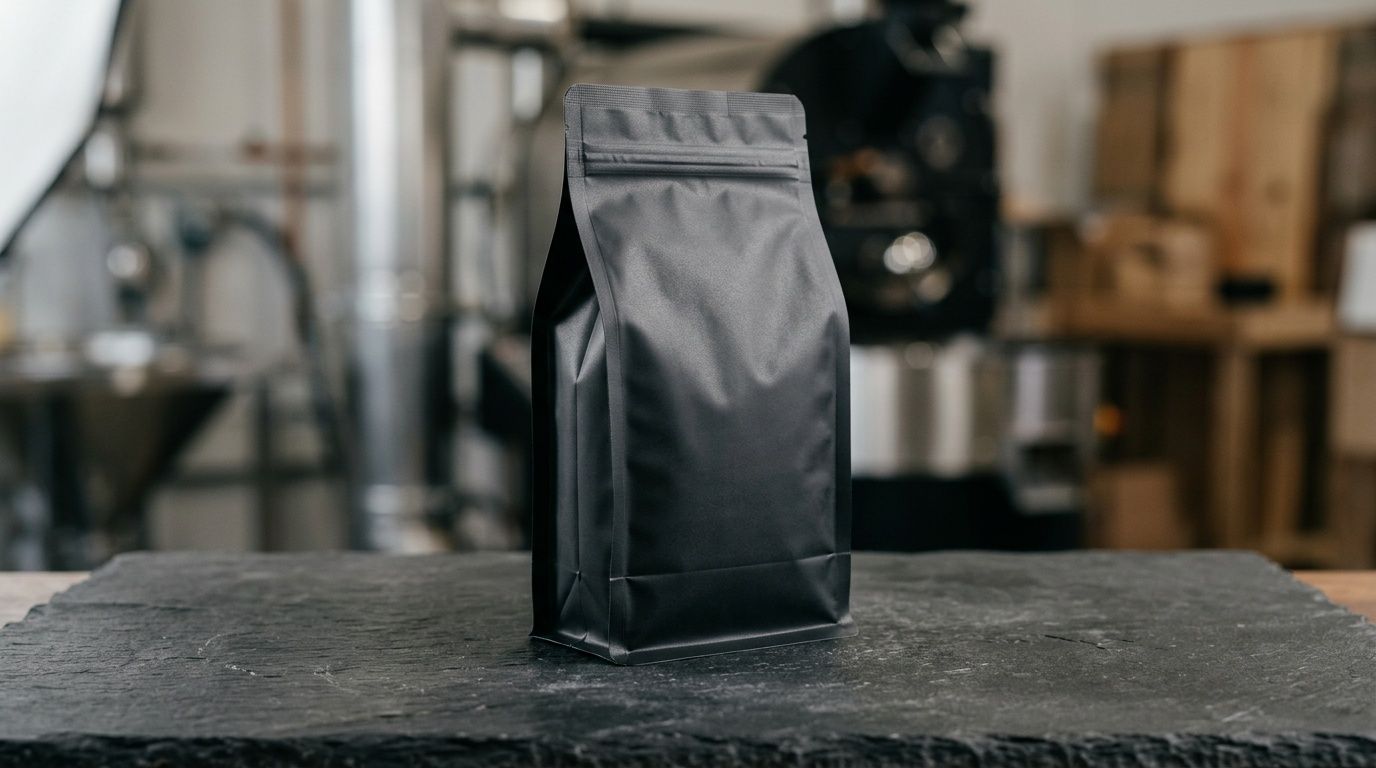
Key Takeaways
- Aroma Preservation Engineering: Integrating a one-way degassing valve allows for immediate packing post-roast, capturing 99.9% of essential coffee oils while venting built-up CO2 safely.
- Superior Moisture Barriers: Selecting foil-lined coffee bags with high barrier layers offers 10x more protection against humidity, preventing flavor oxidation and extending retail shelf life.
- Strategic Brand Protection: High-performance coffee packaging with degassing valves acts as an insurance policy for specialty roasters, ensuring the intended flavor profile reaches the end consumer.
- Optimized Bag Structures: Choosing flat bottom coffee bags or side gusseted coffee pouches balances aesthetic appeal with structural integrity to maintain product freshness and brand premiumness.
For specialty roasters, the true cost of subpar packaging isn’t found in the invoice—it’s found in the 60% drop in repeat customer rates caused by stale, oxidized beans. When volatile organic compounds escape and oxygen enters the environment, a premium roast loses its sensory identity long before it reaches the consumer’s grinder. This critical window of preservation is defined as the “second roasting,” a stage where the technical integrity of the container becomes as vital as the precision of the drum temperature.
As demonstrated in our technical evaluations, the difference between standard bags and high-performance coffee packaging with degassing valves is measurable and immediate. Precision-engineered one-way degassing valves allow for immediate packing post-roast, safely venting built-up CO2 while sealing in 99.9% of essential oils. Furthermore, switching to moisture-proof coffee packaging with a high barrier structure can increase humidity resistance by tenfold, effectively preventing the clumping issues that affect ground products in high-humidity retail environments.
This guide explores the engineering required to maintain a professional flavor profile, from the chemical necessity of foil-lined coffee bags to the structural advantages of flat bottom coffee bags and side gusseted coffee pouches. We will examine how integrating High Performance Functional Bags into your supply chain acts as an insurance policy for your brand.
The “Second Roasting” Philosophy: Why Packaging is an Extension of the Roasting Drum
The transition from a cooling tray to a retail shelf is not a pause—it is a chemical continuation. In the specialty coffee industry, this is known as the “Second Roasting.” During this phase, the technical integrity of your container determines whether the consumer receives the complex flavor profile you meticulously crafted or a degraded, oxidized version.
Many roasters manage drum temperatures to the tenth of a degree, only to compromise quality at the final step. Selecting a generic, non-valved laminate to save minor costs per unit can lead to significant losses in wholesale contracts. Within weeks, premium beans in inadequate packaging can lose their volatile aromatic compounds as oxygen infiltrates the bag.
When coffee leaves the roaster, it off-gasses CO2 at a rate of approximately 2 to 5ml per gram. Sealing that gas in a rigid, non-vented container risks seal failure, while leaving it open allows oxygen to destroy lipids. This paradox is solved by precision-engineered coffee packaging with degassing valves.
At the Yun Sealoong manufacturing facility, we treat packaging as a controlled environment. Once the beans exit the cooling tray, the Maillard reaction products and Strecker degradation aromas are at their peak. The “Second Roasting” strategy treats the bag as a dynamic environment that manages internal pressure while maintaining an absolute barrier against the external atmosphere.
Internal pressure from CO2 helps displace residual oxygen during the first 48 hours post-roast. However, if that pressure is not vented, mechanical stress on heat seals becomes a liability. To maintain 99.9% aroma retention, packaging must achieve a near-perfect Oxygen Transmission Rate (OTR). This requires a multi-layer laminate utilizing either pure aluminum foil or high-performance metalized films, paired with a high-precision valve.
Deciphering the Degassing Paradox: The Physics of One-Way Pressure Relief
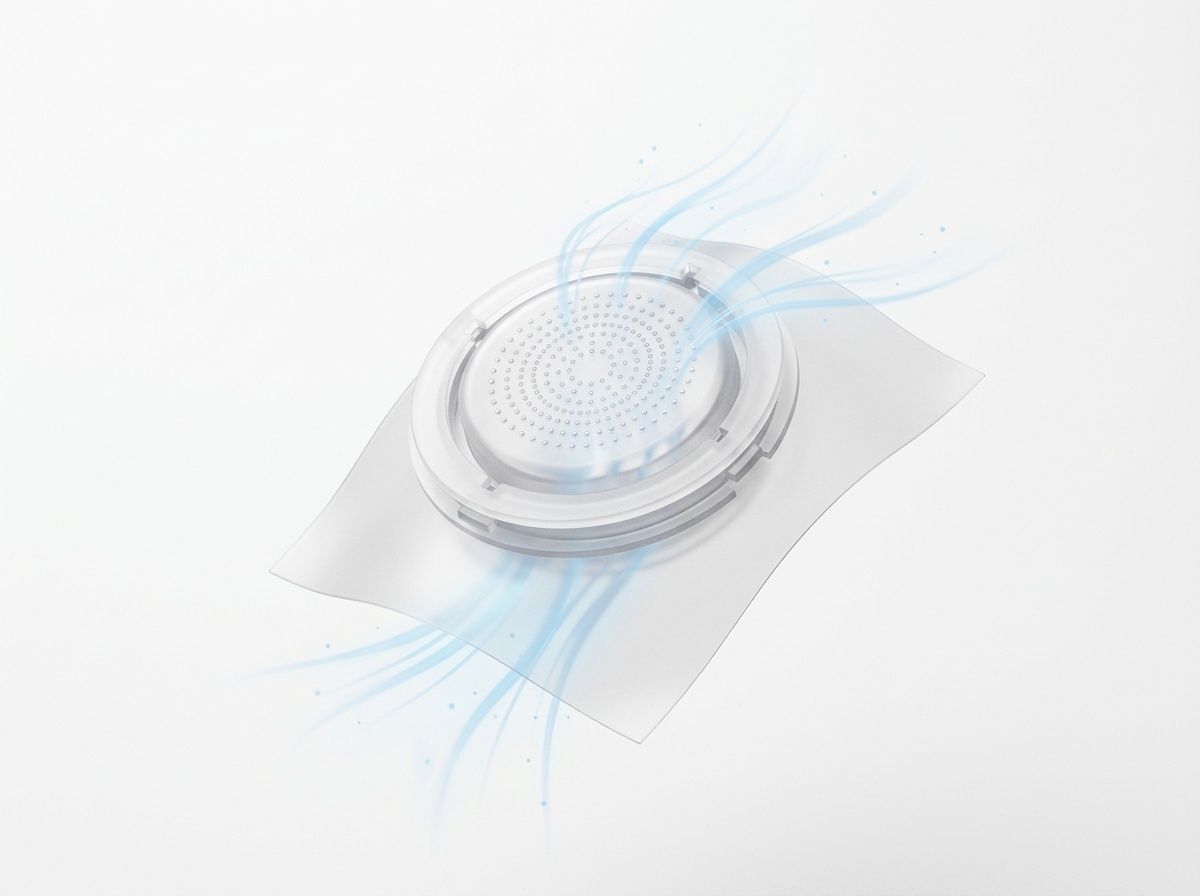
The core of effective preservation is the one-way degassing valve. It relies on the “Cracking Pressure” principle: a precision-calibrated rubber diaphragm opens only when internal pressure exceeds external pressure by 5 to 10 mbar.
If the cracking pressure is too high, the bag balloons, which consumers often associate with spoilage. If it is too low, the valve may stay propped open, allowing oxygen ingress. When calibrating valve application, we utilize ultrasonic welding to molecularly bond the valve to the inner PE layer of the Recyclable Coffee Packaging Bags with One-way Degassing Valve. This ensures the valve remains a structural asset even under high static pressure.
| Metric | Generic Valved Bag | Yun Sealoong Precision Valve Bag | Impact on Coffee |
|---|---|---|---|
| Cracking Pressure | 20-30 mbar (Inconsistent) | 5-10 mbar (Calibrated) | Prevents bag distortion and seal stress. |
| O2 Ingress Rate | 2.5 cc/m²/24h | < 0.1 cc/m²/24h | Stops lipid oxidation and rancidity. |
| Seal Integrity | Adhesive Bond (Heat Sensitive) | Ultrasonic Weld (Permanent) | Eliminates leaks during high-altitude transit. |
| Aroma Retention | ~65% after 3 months | > 99% after 12 months | Maintains the “First Sniff” experience. |
The Architecture of Aroma: Achieving 99.9% Essential Oil Retention
Specialty coffee is defined by its acidity, body, and aroma. Most of what we perceive as “flavor” is actually the retro-nasal olfaction of volatile esters. The goal is to lock these esters in a high-barrier environment.
When designing Side Gusseted Coffee Packaging Bags, we optimize the “headspace” above the beans. A side-gusseted bag provides a flexible internal volume. As the beans off-gas, the gussets expand slightly, creating a buffer zone of CO2 that protects the beans from trace amounts of O2.
High-barrier materials are only effective if the seal is perfect. Microscopic wrinkles in the top seal can create tunnels that bypass the valve. This is why the stiffness and “dead-fold” of the laminate are critical; the material must stay flat to ensure a clean, hermetic seal.
Moisture Infiltration: Protecting Ground Coffee Shelf Life
While whole beans have a natural protective structure, ground coffee is significantly more susceptible to moisture and oxygen due to its increased surface area. For pre-ground retail products, the requirement shifts toward maximum moisture occlusion.
Humidity triggers premature CO2 release and dissolves soluble solids, resulting in a flat flavor profile. Our Matte Black Foil Lined Coffee Pouch utilizes a 12-micron layer of pure aluminum foil to achieve a Water Vapor Transmission Rate (WVTR) that is effectively zero.
In comparison to standard metalized (VMPET) bags, which can have microscopic pinholes, pure foil is the only reliable method for long-term moisture resistance. For ground coffee, a 1kg Zip Lock Stand up Pouch further allows consumers to purge excess air and reseal the barrier after every use.
Structural Integrity: Flat Bottom vs. Side Gusseted Engineering
The choice of bag shape affects filling speed, palletization, and shelf presence.
The Flat Bottom Coffee Bags for Premium Beans is a standard for high-end retail. It consists of five panels joined together to provide maximum stability. Because it has a true flat base, it does not lean when filled, and its structural rigidity protects beans during transit.
In contrast, the side-gusseted bag is a highly efficient option for wholesale. Its rectangular profile makes it easy to pack into shipping cartons. When choosing between these structures, roasters should consider their specific filling equipment; flat-bottom bags often require more sophisticated automated lines, while side-gusseted bags are highly compatible with semi-automatic filling. For a technical assessment, you may Ask our engineering team regarding filling line compatibility.
Barrier Science: Why Foil Lined is the High Barrier Standard
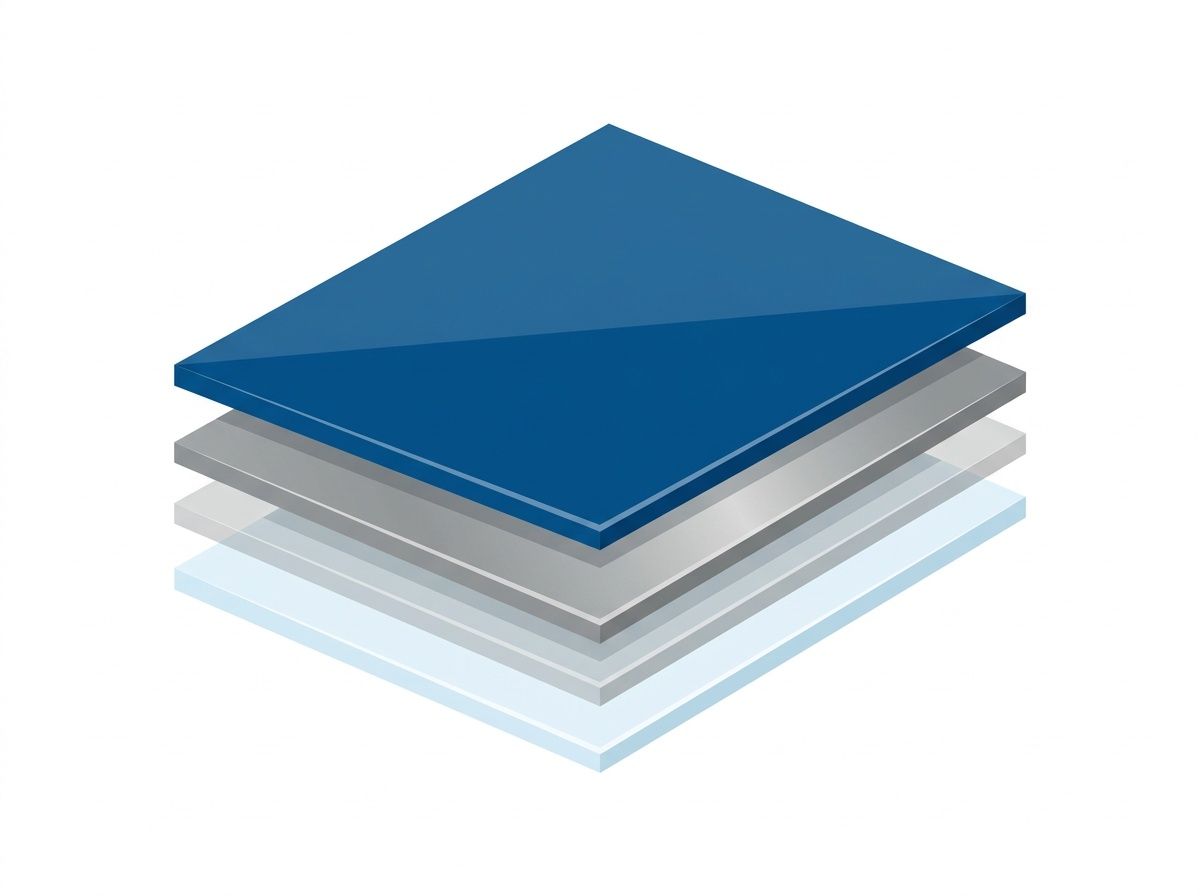
A high-performance coffee bag is a multi-layer laminate:
- Outer Layer (PET/BOPP): Provides heat resistance and a surface for branding.
- Barrier Layer (AL Foil): Blocks 100% of light, oxygen, and moisture.
- Tie Layer (PE/EAA): The bonding agent. High-quality tie layers prevent delamination.
- Inner Layer (LLDPE): The food-grade sealant layer that ensures a strong hermetic seal.
At Yun Sealoong, we use solvent-less lamination to ensure no chemical odors migrate into the product.
| Layer Material | Oxygen Barrier (OTR) | Moisture Barrier (WVTR) | Light Blocking | Best Use Case |
|---|---|---|---|---|
| Clear PE | Very Low | Low | 0% | Short-term/frozen storage. |
| Metalized (VMPET) | Medium | Medium | 80% | High-turnover retail (3-6 months). |
| Pure AL Foil | High (Near Zero) | High (Near Zero) | 100% | Specialty/Export (12-24 months). |
Brand Equity: The ROI of Technical Packaging
Packaging is a primary touchpoint for consumers. High-performance Flexible Food Packaging Solutions provide haptic cues that signal quality. Rotogravure printing ensures color consistency and detail, protecting brand equity across different production runs.
The placement of the degassing valve can also be customized—either hidden or featured as a badge of quality—ensuring that technical requirements do not interfere with brand aesthetics.
| Packaging Investment | Cost Increase per Unit | Potential Retail Premium | ROI Ratio |
|---|---|---|---|
| Add Valve to Bag | +$0.04 – $0.06 | +$1.50 | 25:1 |
| Switch PE to AL Foil | +$0.03 – $0.05 | +$2.00 | 40:1 |
| Matte/Spot UV Finish | +$0.02 – $0.03 | +$1.00 | 33:1 |
Sustainability: Balancing Degassing with Recyclability
As the industry moves toward sustainability, the challenge is maintaining a 99.9% aroma barrier with recyclable materials. We have developed Mono-material PE structures using MDO-PE (Machine Direction Oriented) films, which align polymer chains to create a tighter barrier.
To complement these bags, we offer mono-material valves that can be recycled with the bag. While mono-materials have a narrower sealing window, we provide detailed technical data sheets to ensure production teams can achieve consistent results.
If you are ready to enhance your coffee’s preservation and protect your brand’s value, the Yun Sealoong manufacturing facility can provide a tailored solution.
Conclusion
The “Second Roasting” phase determines whether coffee quality is maintained through to the consumer. Achieving 99.9% aroma retention is a result of precision engineering—balancing a 5-10 mbar cracking pressure with near-zero OTR aluminum barriers.
By utilizing ultrasonic valve welding and solvent-less lamination in our own manufacturing facility, we ensure roasted beans are protected from oxidation and seal failure.
Contact our engineering team today for a custom barrier analysis or to request a high-performance sample kit for your next roast.


0 Comments