
Key Takeaways
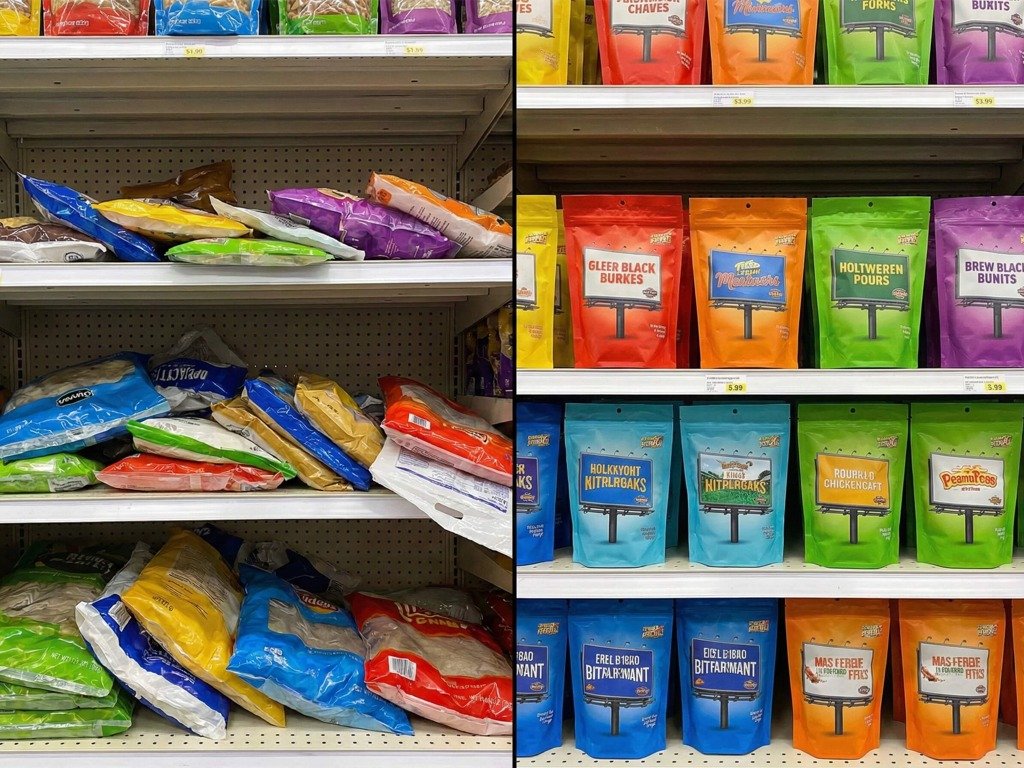
- Maximize Retail Shelf Appeal: The vertical structure of stand up bags creates a 3D billboard effect, capturing consumer attention more effectively than traditional flat packaging.
- Cross-Industry Versatility: From food products to industrial fluids, stand up pouches provide the structural integrity required to replace bulky rigid containers across diverse sectors.
- Optimizing Packaging ROI: Transitioning to flexible stand up pouches reduces logistics costs and storage footprints, providing a measurable boost to long-term operational efficiency.
- Strategic Visual Marketing: Utilizing advanced finishes and custom printed pouches allows brands to command visual hegemony and justify premium pricing through superior perceived value.
Read on to discover how these packaging strategies drive growth.
Introduction
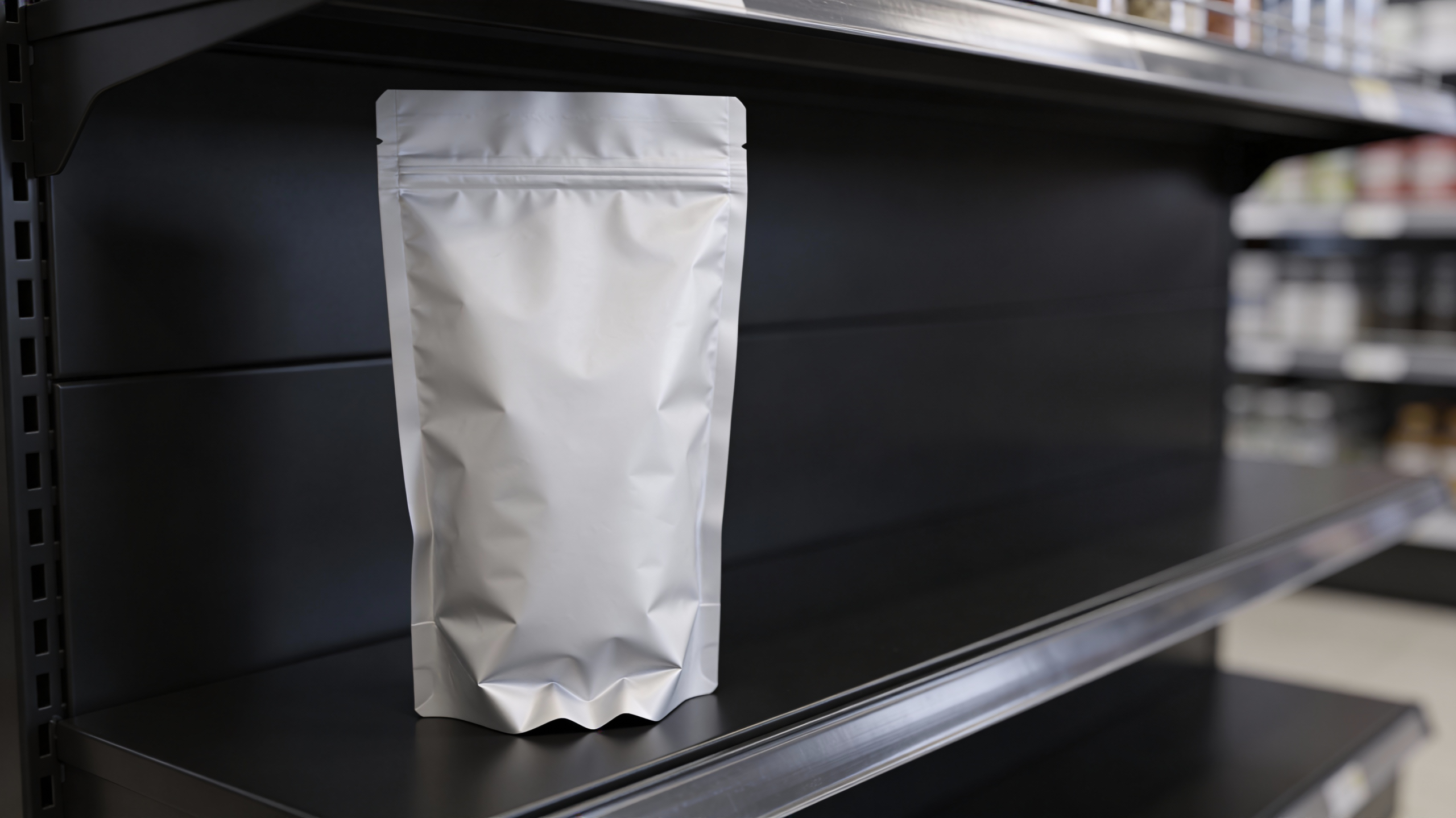
Retail shelf space is the most expensive real estate your brand will ever occupy. Yet, many manufacturers continue to bleed market share by relying on legacy flat packaging that fails to capture the consumer eye. In high-stakes retail environments, being invisible on the shelf is a direct hit to the bottom line. Relying on outdated formats does not just hurt visual marketing; it erodes your margin through inefficient logistics and lost opportunities in a landscape where shelf appeal is the primary driver of conversion.
As highlighted in our featured analysis video, the top three rows of premium retail shelving are increasingly dominated by a specific format for a reason. The video demonstrates how stand up bags function as a three-dimensional billboard, grabbing up to 30% more traffic than their flat counterparts. This shift is not limited to food packaging pouches; even heavy-duty sectors are adopting the doypack packaging format to leverage its structural integrity and superior display capabilities, proving that the right stand up bag can redefine a brand’s presence.
Transitioning to stand up pouches represents more than an aesthetic upgrade—it is a strategic move to optimize packaging ROI. By replacing rigid containers with custom printed pouches, companies can drastically reduce storage footprints and shipping weights while enhancing their competitive edge. This guide explores how wholesale stand up pouches and resealable stand up pouches drive operational efficiency and command premium pricing. Read on to learn how to master this transition and ensure your product is not just protected, but strategically positioned for growth.
I have spent fifteen years on factory floors, surrounded by the hum of rotogravure presses and the sharp, metallic scent of solvent-based inks. I have seen thousands of production runs. Some were brilliant successes; others were expensive disasters that ended up in a landfill because someone in procurement chose a “cheap” structure that couldn’t survive the heat of a shipping container in July.
When a CFO looks at a packaging budget, they often see a line item to be minimized. That is a mistake. Packaging is not a cost center; it is a high-performance engine for ROI. If your product is sitting in a flat, “pillow” style bag, you are essentially burying your brand in a shallow grave. It slumps. It slides. It hides.
In my experience, the transition to stand up bags is the single most effective move a brand can make to reclaim shelf dominance. It is not about “looking pretty.” It is about the physics of attention and the brutal reality of retail logistics. Marketing agencies will talk to you about “brand voice,” but I am here to talk to you about gusset engineering, face-to-footprint ratios, and why verticality is your strongest financial ally.
Yes, stand up bags require more precise filling line calibration than simple flat pouches. They are more complex to manufacture. But the trade-off—a 30% increase in shelf traffic—is a mathematical certainty.
The Financial Liability of “Flat” Thinking: Why Shelf Invisibility is Eroding Your Bottom Line
If your product is currently packaged in a flat pouch, you are paying a “slump tax.” I have walked through hundreds of retail aisles in Europe and North America. The story is always the same. Flat bags are stacked in bins or laid flat on shelves. When a consumer looks at the shelf, they see the edge of your bag—a thin sliver of plastic. Your logo, your USP, and your “hero” shot are all facing the ceiling.
This is what I call shelf invisibility. When you are invisible, you have to pay more for “slotting fees” to get eye-level placement, or you have to dump money into digital ads to “pull” the customer to the store. A stand up bag does the work for you. It stands. It stays upright. It presents its entire face to the consumer at a 90-degree angle.
We often categorize different bag structures based on their ability to resist gravity. A standard 3-side seal bag is a 2D object trying to survive in a 3D world. It is a liability. I remember a client in the snack industry who insisted on staying with flat pouches because the unit cost was $0.02 lower. Six months later, they were delisted by a major grocer because their product looked like a “garbled mess” in the “grab-and-go” section. The bags had slipped over each other, creating a chaotic pile that consumers simply ignored.
The “Invisible” penalty is real. In retail, the first 3 seconds determine 70% of impulse purchases. If your packaging is lying flat, you aren’t even in the race. You are basically subsidizing your competitor’s vertical presence. By switching to a vertical format, you occupy the Z-axis. You create a wall of color. That is how you stop the “slump” and start the conversion.
The 3D Billboard Effect: Engineering 30% More Conversion Through Structural Integrity
In the factory, we don’t call it a pouch; we call it a 3D Billboard. As I demonstrated in my recent analysis of retail shelf psychology, the top three rows of premium retail space are almost exclusively reserved for vertical structures. Why? Because the human eye is biologically wired to scan for vertical interruptions in the horizon.
The physics of attention is simple: Frontal Surface Area (FSA). A stand up bag provides the largest FSA per gram of plastic of any flexible packaging format. Unlike rigid bottles that have “dead zones” on the curves, a doypack offers a flat, continuous canvas for your brand. When we produce Matte Black pouches with Spot UV, the goal is to create “Visual Hegemony.” The matte finish absorbs the harsh supermarket LED lights, preventing glare, while the Spot UV “pops” the logo. This creates a tactile psychological trigger. The consumer doesn’t just see it; they want to touch it.
Let’s look at the numbers.
Table 1: Shelf Visibility Index — Stand Up Pouches vs. Flat Bags vs. Rigid Canisters
| Format | Face-to-Footprint Ratio | Brand Visibility Angle | Vertical Stability Score (1-10) | Estimated Shelf Traffic Capture |
|---|---|---|---|---|
| Stand Up Pouch | High (2.5:1) | 90° – 110° | 9.0 | 100% (Baseline) |
| Flat Pouch | Low (0.8:1) | 5° – 15° | 1.0 | 30% – 40% |
| Rigid Canister | Medium (1.5:1) | 60° (Curved) | 10.0 | 75% – 85% |
Pro Tip: While rigid canisters have high stability, they fail on the “Face-to-Footprint” ratio. You can fit three stand up pouches in the same shelf width as two canisters, meaning you get 50% more “brand faces” in the same retail real estate.
Real World Context: I’ve seen production lines where the “web tension” during printing was off by just a few Newtons. The result? The “face” of the bag was slightly bowed. Even that small imperfection reduced shelf appeal. Precision in the factory translates directly to dollars at the register. We use computerized tension controls to ensure every bag is a perfect rectangle when filled.
If you use a stand up bag, you are buying a billboard. If you use a flat bag, you are buying a floor mat.
Breaking the “Food-Only” Myth: How Industrial Fluids and Heavy Chemicals Pivot to Doypacks
For years, people thought stand up bags were only for granola and beef jerky. That is nonsense. We are currently seeing a massive shift in industry-specific solutions where heavy chemicals and industrial lubricants are ditching HDPE jugs for flexible film.
Why? Because a rigid 5-liter plastic bottle is 90% “empty” before you even fill it. It occupies a massive amount of warehouse space. A Heavy-duty spout pouches for engine oil arrives at your filling plant as a flat stack.
The engineering challenge here isn’t just “standing up”—it is burst strength. When you are shipping 5kg of liquid, the bottom gusset takes all the stress. We use a “K-seal” or a “Round Bottom” gusset depending on the viscosity. I’ve seen a client try to use a standard snack-food gusset for a heavy detergent. The result? “Tunneling” at the corners. The layers of the film delaminated under the weight, and the “glue smell” of the adhesive contaminated the product’s fragrance. We fixed it by using a co-extruded Nylon/PE structure with a 140-micron thickness.
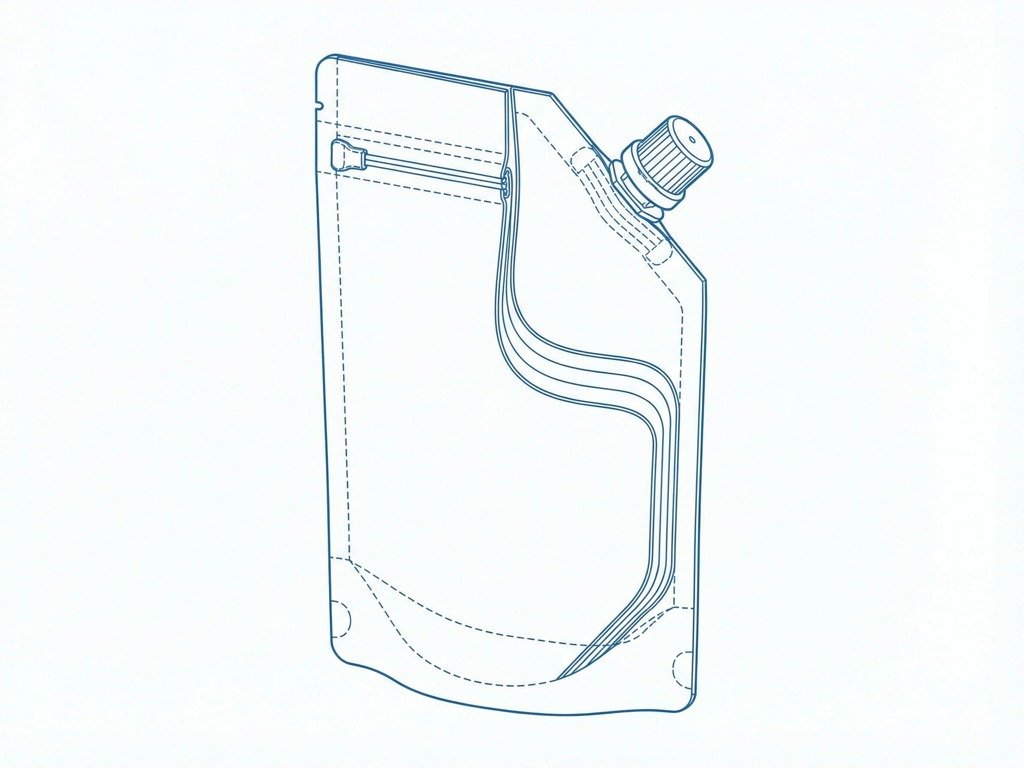
Table 2: Industrial Performance Metrics — Flexible vs. Rigid
| Metric | Stand Up Spout Pouch (Nylon/PE) | Standard HDPE Rigid Jug | Technical Implication |
|---|---|---|---|
| Burst Strength (PSI) | 65 – 85 PSI | 40 – 55 PSI | Pouches flex; rigid jugs crack. |
| Puncture Resistance (N) | 55N+ | 35N (Point Stress) | Multi-layer laminates resist sharp objects better. |
| Weight Reduction | 85% Less Plastic | 0% (Baseline) | Massive reduction in plastic tax/EPR fees. |
| Storage Efficiency | 1,000 units per pallet | 120 units per pallet | 8x storage capacity improvement. |
Pro Tip: In winter, standard PE can become brittle. If you are shipping to cold climates, we add a specific percentage of metallocene to the sealant layer to ensure the bag doesn’t crack when dropped at 0°C.
Real World Context: One client in the agricultural sector switched from 1-gallon jugs to spout pouches. They expected a cost saving in plastic, which they got. What they didn’t expect was that they could fit 40% more product on a single outbound truck. The fuel surcharges they saved paid for their entire packaging spend for the year. The CFO didn’t just approve the change; he made it mandatory for the entire product line.
The CFO’s Calculus: Quantifying the Packaging ROI from Logistics to Warehouse
The real profit in packaging is found in the “Empty Space” math. If you are a CFO, I want you to visualize your warehouse. If you are using rigid bottles or canisters, you are paying to store air. You are paying for a roof to cover empty plastic.
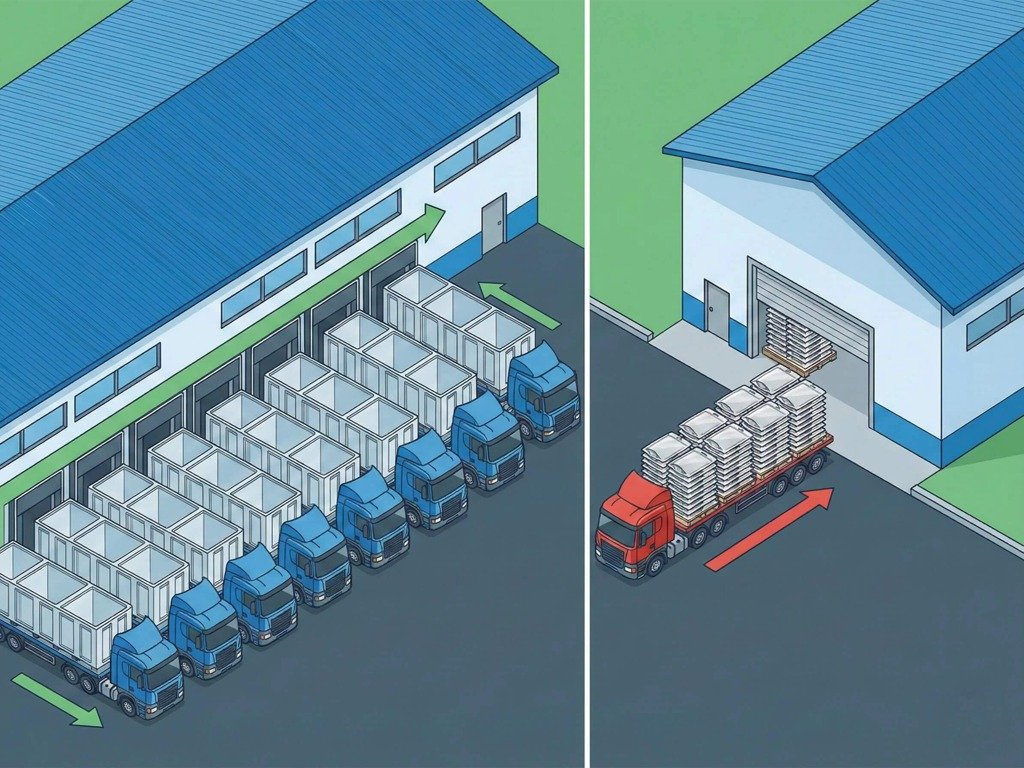
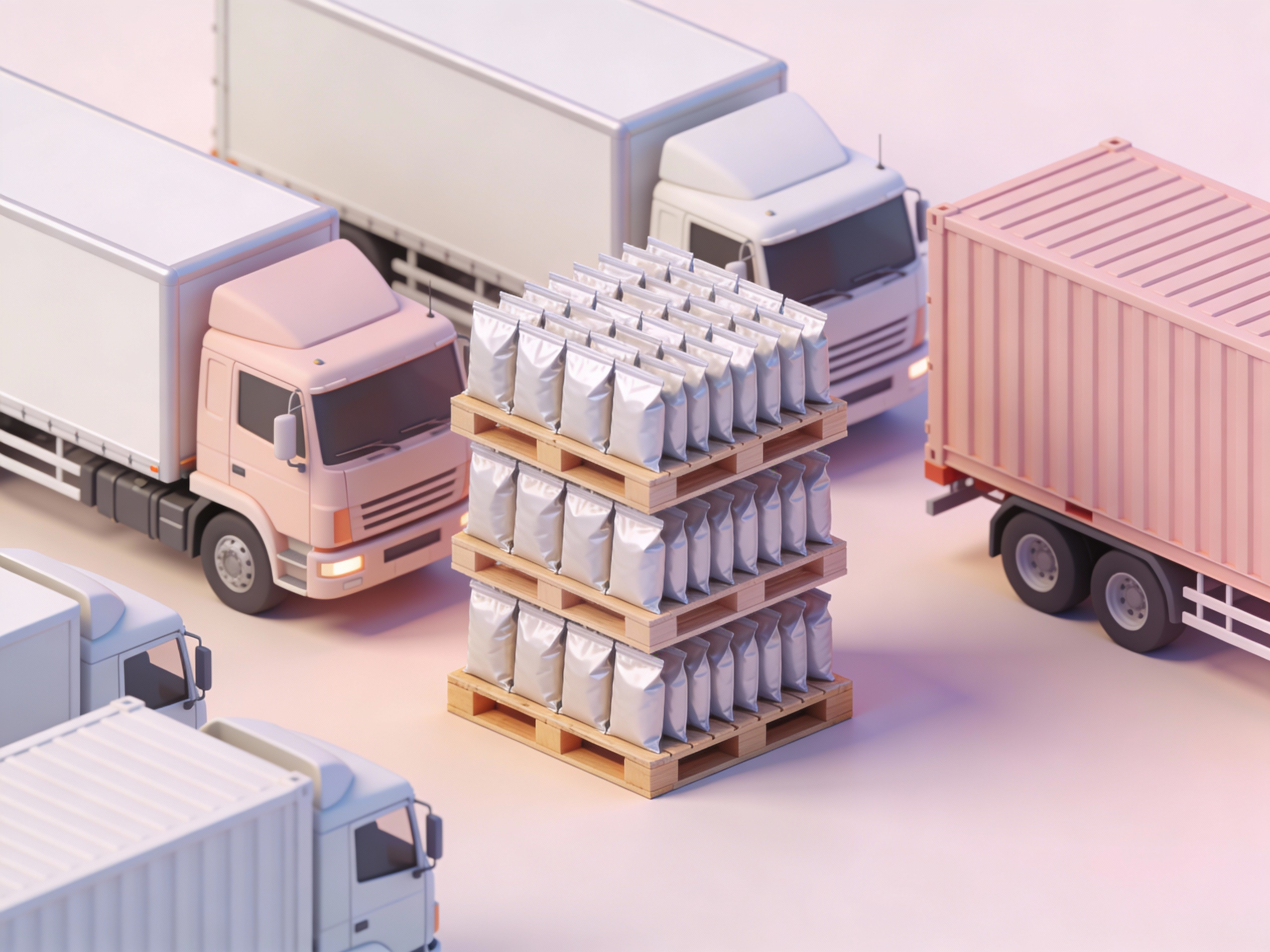
When you transition to stand up bags within the high-turnover food sectors, your inbound logistics costs plummet. We can fit roughly 50,000 to 100,000 empty pouches on a single pallet. Compare that to rigid containers, where you might get 2,000 units on a pallet. That is 25 to 50 trucks you don’t have to pay for.
Then there is the “Last Mile” and the user experience. A stand up bag is resealable. This increases the “Lifetime Value” (LTV) because the product stays fresh longer. If the consumer has a bad experience with stale food because the bag didn’t seal properly, they won’t buy from you again. I’ve seen “zipper failure” destroy brands. We use “Press-to-Close” zippers that have a specific “audible click.” That sound—that physical snap—is a signal of quality to the consumer.
Table 3: Operational Cost Comparison (Per 100,000 Units)
| Expense Category | Rigid Plastic Tubs | Stand Up Pouches | The Reality Check |
|---|---|---|---|
| Inbound Freight | $12,000 (10 Trucks) | $1,200 (1 Truck) | You save $10k before you fill a single bag. |
| Warehouse Space | 2,500 sq. ft. | 150 sq. ft. | Use that space for more production lines. |
| Disposal/Carbon Tax | High (Weight-based) | Low (80% less waste) | ESG targets are met for free. |
| Damage/Leakage Rate | 2.5% (Cracking) | 0.4% (Flexibility) | Flexible bags “give” during rough transit. |
Pro Tip: Don’t forget the “Palletization Factor.” Because stand up bags are flexible, they can “nest” slightly during shipping, which reduces the shifting of loads. Rigid tubs tend to slide and crack under the vibration of a 2,000-mile truck journey.
Real World Context: I remember a coffee startup that was losing 5% of their product to “oxidation” because they were using cheap tin-tie bags. These bags didn’t stand up well and the seal was weak. We moved them to a high-barrier doypack with a one-way degassing valve. Their returns dropped to near zero. The CFO realized that the high-performance bag was actually the cheapest option because it eliminated the cost of waste.
Mastering Strategic Differentiation: Using Material Science to Justify Premium Pricing
You can’t just have a bag that stands up; you need a bag that tells a story through its material. In the current market, sustainability is a financial requirement. However, technical considerations are paramount: compostable films often have higher Oxygen Transmission Rates (OTR) than traditional foils.
If you choose Compostable Kraft bags with windows, you are signaling to the consumer that your brand is premium and conscious. To ensure product longevity, we utilize high-barrier compostable laminates that protect the product while meeting EN 13432 standards.
Shape also plays a role in consumer psychology. With Die-cut shaped pouches, we can create a silhouette that matches your brand’s personality. For the premium food sector, we offer Microwaveable retort pouches. These bags can survive the extreme heat and pressure of a retort chamber (121°C) and then go straight into the consumer’s microwave, replacing heavy glass jars or metal cans.
To justify a price premium, your packaging must have the right “hand feel” and structural integrity. We achieve this by adding a layer of PET or OPA to provide structural “bones” to the pouch.
Transitioning Your Portfolio: From Legacy Formats to Stand Up Dominance
Moving an entire product line from legacy flat bags or rigid containers to stand up bags is a strategic move that requires a technical audit. Start with your “Hero SKUs”—the high-turnover products where a 30% traffic boost will have the most significant impact on the P&L.
The first step is a risk mitigation phase. While most modern VFFS (Vertical Form Fill Seal) machines can be adapted, moving to pre-made pouches often ensures maximum quality. Pre-made pouches allow for more complex gusset designs and superior seal integrity as they are manufactured in a controlled factory environment.
Evaluate your barrier requirements carefully. Switching to a visual-heavy printed pouch without specifying the correct OTR can lead to premature spoilage. Our team calculates the required barrier based on your desired shelf life and distribution conditions.
The strategic audit should focus on:
- Seal Strength: Ensuring the bag survives standard drop tests.
- Barrier Integrity: Determining if Aluminum foil or clear ALOX coating is optimal.
- Logistics Math: Calculating unit density per pallet compared to your current format.
If you are unsure about the thickness or the material structure required for your specific product, Consult our engineering team. We analyze your product’s chemistry and your distribution chain to find the optimal balance between cost and performance.
Conclusion
The transition from flat pouches to stand-up bags is a strategic shift from shelf invisibility to retail dominance. As demonstrated, structural verticality and advanced material science—from precision OTR barriers to high-performance gusset engineering—can drive a 30% increase in shelf traffic while slashing inbound logistics overhead by up to 90%.
At Yun Sealoong, we bridge the gap between marketing vision and factory-floor reality, ensuring every pouch functions as a high-performance 3D billboard. Whether you are scaling premium food SKUs with Spot UV finishes or re-engineering industrial fluid packaging for maximum burst strength, our manufacturing precision protects your bottom line.
Ready to eliminate the “slump tax” and optimize your packaging ROI?
Contact our engineering team today for a custom barrier analysis or to request a professional sample kit.


0 Comments