
Key Takeaways
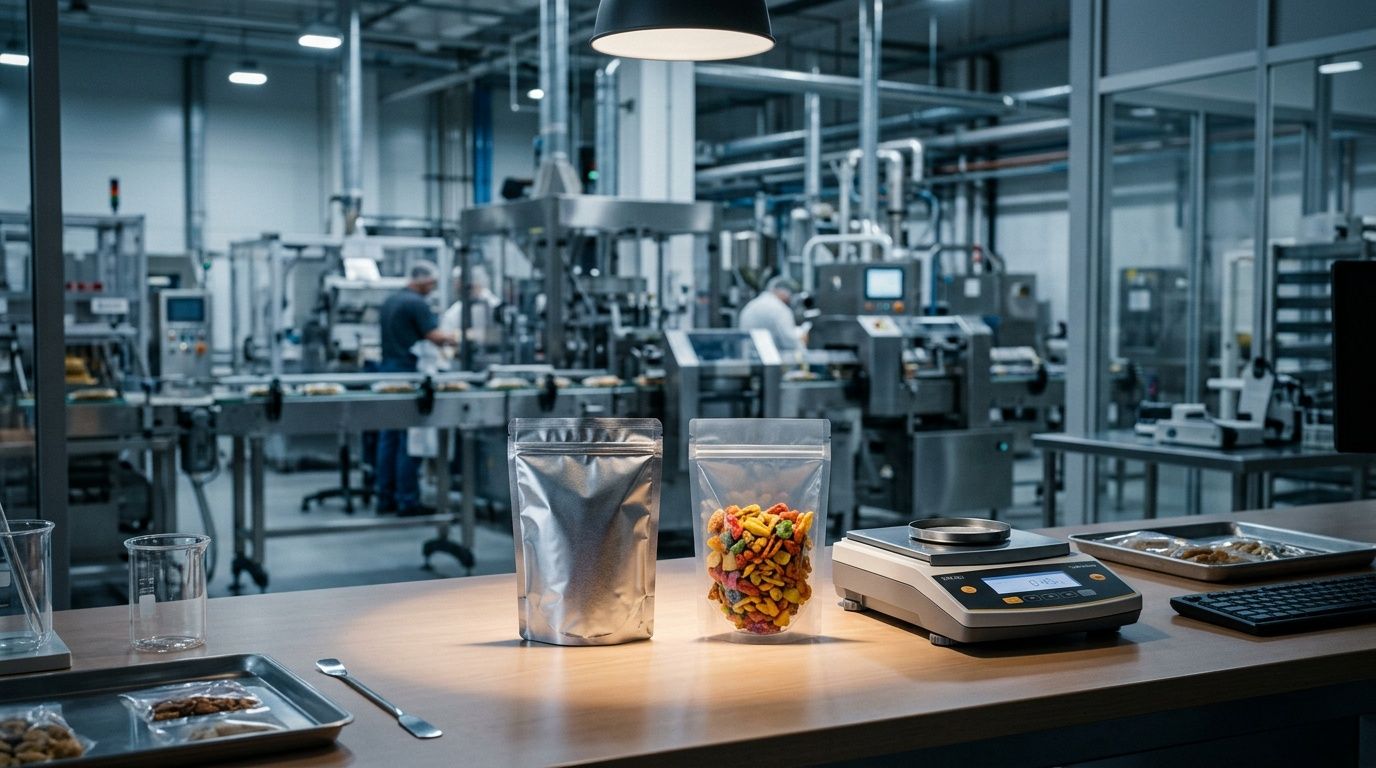
- Optimizing Biscuit Shelf Life: Transitioning from standard PP to high-clarity CPP casting film enhances moisture barrier efficiency and heat-seal integrity, which preserves product texture while providing superior clarity for premium retail snack displays.
- Superior Oxidation Resistance: Employing multi-layer laminates such as BOPP, AL, and PE creates a robust oxygen and moisture barrier that is essential for maintaining the freshness and crispness of sensitive snacks like nuts.
- Reducing Puncture-Related Failures: Integrating nylon film into composite structures like PA, AL, and CPP provides the high puncture resistance and physical flexibility required to prevent leakage in oily snacks or products with sharp edges.
- Ensuring High-Speed Packaging Reliability: Selecting film roll stock with high tensile strength is critical for automatic pillow packing machines to prevent material breakage and ensure consistent seals during high-volume potato chip production cycles.
Introduction
Selecting the wrong snack food packaging materials often manifests in the premature oxidation of fats or a loss of texture that compromises the consumer experience. For manufacturers of moisture-sensitive products like biscuits or high-fat items like nuts, the gap between a standard flexible packaging film and a high-performance barrier can be the difference between a six-month shelf life and a bulk return. Many procurement decisions fail when they prioritize raw material costs over the specific atmospheric requirements of the product, leading to moisture ingress or seal failures during high-speed distribution.
Managing the technical trade-offs between different structures requires an understanding of how specific polymers interact with food chemistry. The choice between CPP vs PP film, for example, is not merely about clarity but about optimizing moisture barrier packaging and heat-seal strength for automated pillow packing lines. While an aluminum foil laminate remains the industry benchmark for oxygen barrier film performance in nut packaging, applications involving oily snacks or sharp-edged products often necessitate the integration of nylon film for food packaging to prevent punctures and maintain vacuum integrity.
Technical Evolution of Snack Food Packaging Materials
The landscape of snack food packaging materials has transitioned from basic containment strategies to a sophisticated field of active barrier science. In the early stages of industrial food processing, packaging served primarily as a physical shield against dust and handling. However, as global supply chains expanded and consumer expectations for “factory-fresh” quality increased, the role of flexible food packaging evolved into a critical business asset. The procurement of food grade plastic film is no longer a search for the lowest price per ton but an exercise in engineering shelf-life extension and protecting brand equity.
At the heart of this evolution is the mastery of polymer physics, specifically the manipulation of molecular structures to control the movement of gases and moisture. Most snack packaging relies on polyolefins like Polypropylene (PP) and Polyethylene (PE), but performance is significantly enhanced through processing techniques such as biaxial orientation. This evolution is driven by the need to balance three factors: barrier efficiency, mechanical integrity, and cost-effectiveness.
The Role of Polymer Orientation in Barrier Density
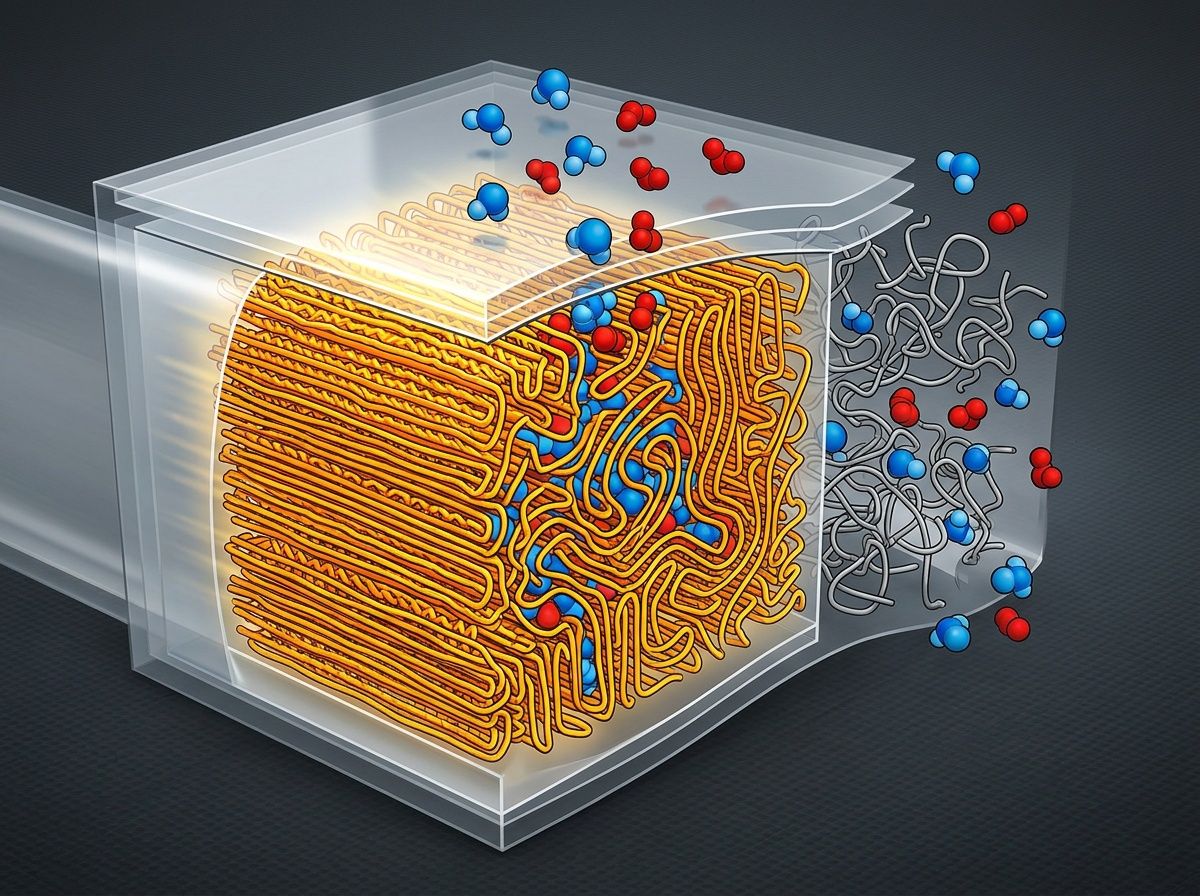
The shift from standard plastic films to high-performance snack food packaging materials is defined by the process of biaxial orientation. When a polymer like Polypropylene is extruded into a film, its molecules are initially in a relatively disordered state. In the production of Biaxially Oriented Polypropylene (BOPP), the film is stretched in both the machine direction (MD) and the transverse direction (TD). This mechanical stretching aligns the polymer chains into a more tightly packed, crystalline lattice.
This increased crystallinity improves the mechanical strength of the film, allowing for thinner gauges that maintain high tensile strength. Furthermore, it creates a “tortuous path” for gas molecules. Water vapor (H2O) and oxygen (O2) molecules find it difficult to permeate through a crystalline structure compared to an amorphous one. For procurement teams, the degree of orientation directly dictates the Moisture Vapor Transmission Rate (MVTR) and Oxygen Transmission Rate (OTR). While higher orientation generally leads to better barrier properties, it also increases the film’s brittleness, which must be balanced if the package requires specific folding characteristics.
Regulatory Compliance and Food Grade Plastic Film Standards
The definition of “food grade plastic film” is governed by global standards, such as those set by the FDA and various EFSA regulations. For snack manufacturers, compliance is the baseline of technical specification. These regulations focus on the migration of chemical substances from the packaging into the food product. Snacks are susceptible to chemical migration because many have high fat and oil contents, which act as solvents for certain polymer additives.
A technical challenge in modern material science is the management of Non-Intentionally Added Substances (NIAS). These are byproducts of the manufacturing process or impurities in raw materials that can potentially leach into the food. High-quality snack food packaging materials must utilize resins with low migration profiles and functional barriers that prevent ink or adhesive components from reaching the snack. When specifying materials for products with high lipid concentrations, such as fried chips or oil-roasted nuts, the film must demonstrate chemical inertness to prevent the development of off-flavors.
Moisture Barrier Packaging: The CPP vs PP Transition for Biscuits
For high-starch products like biscuits, crackers, and cookies, moisture is the primary threat. The loss of crispness due to moisture absorption is a physical change where water molecules penetrate the starch matrix. To combat this, high-clarity CPP casting film has emerged as a technical solution compared to standard oriented films in specific applications.
The distinction between CPP (Cast Polypropylene) and BOPP (Biaxially Oriented Polypropylene) lies in the cooling and stretching process. While BOPP is stretched to increase barrier and stiffness, CPP is produced through a casting process that results in a film with higher flexibility, better tear resistance, and superior heat-seal performance. For biscuit manufacturers, the choice between these two is often a trade-off between the absolute moisture barrier and the integrity of the heat seal.
Analyzing the CPP vs PP Film Trade-off
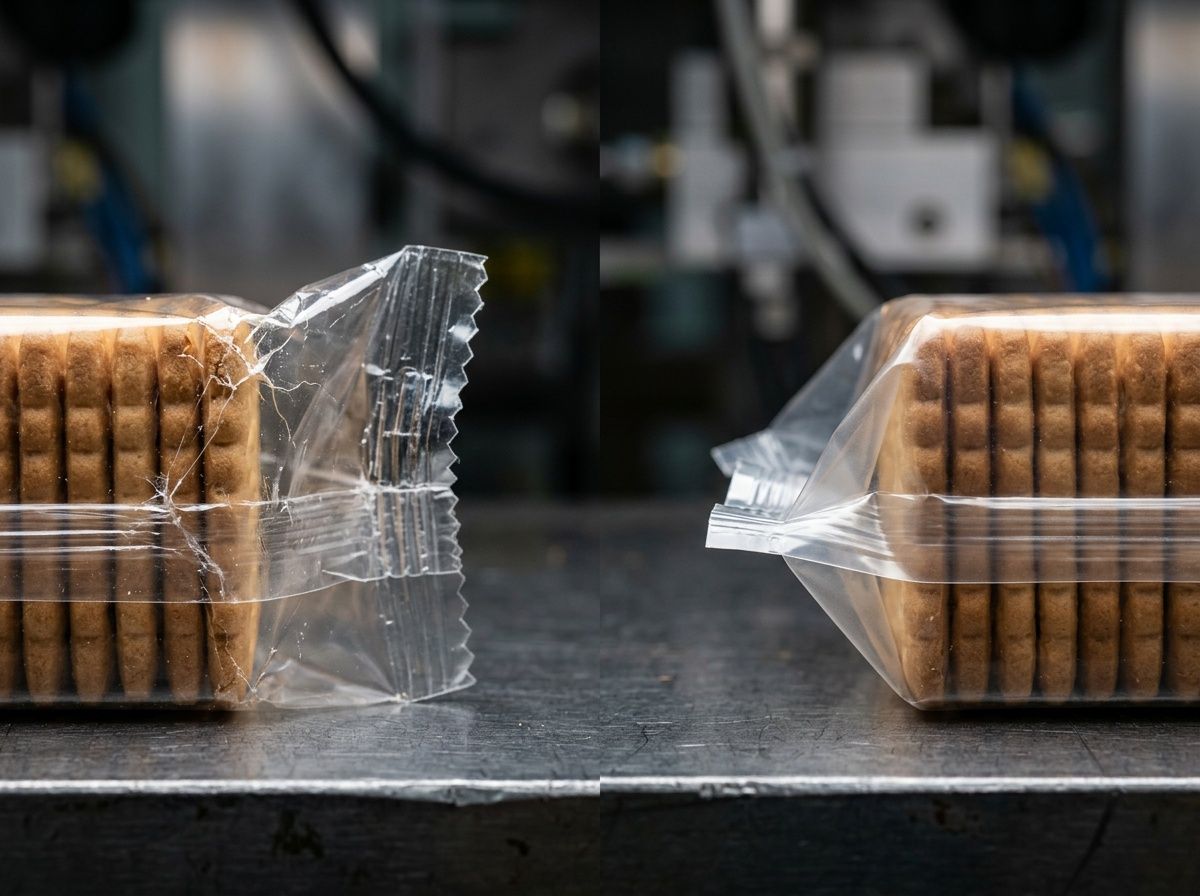
The primary advantage of CPP in the biscuit sector is its Seal Initiation Temperature (SIT) and Heat Seal Strength (HSS). Because CPP is not oriented, it retains a more flexible molecular structure. During the sealing process on a high-speed packing line, CPP flows more easily under heat and pressure, creating a hermetic seal that is less prone to micro-cracks than oriented films.
In terms of moisture barrier packaging, while a BOPP film might have a lower MVTR through the body of the film itself, the CPP structure often provides a better overall system barrier by eliminating the risk of leaks at the fin seals and end seals. Procurement managers must evaluate the effective barrier of the finished bag rather than just the lab-tested MVTR of the flat film. CPP’s flexibility also allows it to withstand the pressure of stacked biscuit packs, where sharp edges might otherwise cause stress-whitening in a stiffer BOPP film.
Impact of Seal Integrity on Biscuit Texture
The preservation of biscuit texture is directly correlated with the Water Activity (aw) of the product inside the package. Biscuits typically leave the oven with a very low aw. If the packaging allows H2O to enter, the aw rises, leading to the migration of water into the starch granules. This makes the biscuit soft and can accelerate the oxidation of any fats present in the dough.
Table 1: Comparative Physical Properties of PP-based Films
| Property | Standard PP (Monolayer) | BOPP (Oriented) | CPP (Cast) |
|---|---|---|---|
| Optical Clarity | Moderate | High | Excellent |
| Moisture Barrier | Low | High | Moderate-High |
| Puncture Resistance | Moderate | Low (Brittle) | High |
| Heat Seal Strength | Low | Moderate | Very High |
| Softness/Flexibility | High | Low (Stiff) | High |
Enhancing Retail Display with High-Clarity Casting
In the B2B snack market, display appeal is a functional requirement. Premium biscuits often require a window or a fully transparent pack to showcase product quality. high-clarity CPP casting film is engineered to provide a transparent appearance that does not yellow or haze over time. This clarity is achieved by controlling the cooling rate of the cast roll during extrusion, which prevents the formation of large crystal structures that scatter light.
The use of high-clarity CPP allows a brand to position itself in the premium tier. However, CPP is generally less stiff than BOPP. For larger bags that need to stand upright on a shelf (Stand-Up Pouches), a laminate of BOPP for stiffness and CPP for sealing and clarity is often the appropriate functional structure.
Oxygen Barrier Performance: Aluminum Foil Laminate for Nut Stability
While moisture is the concern for biscuits, oxygen is the primary threat to nuts, seeds, and snacks with high fat content. When fats are exposed to oxygen and light, they undergo lipid oxidation, resulting in a rancid smell and bitter taste. To prevent this, the industry utilizes moisture-proof aluminum foil pouch structures for oxygen barrier performance.
The inclusion of an aluminum foil (AL) layer in a multi-layer laminate effectively creates a total block. Unlike polymer films, which allow gas molecules to diffuse through molecular gaps, a continuous layer of aluminum is essentially impermeable to O2, H2O, and UV light. However, the use of aluminum introduces mechanical challenges that must be managed through material specification.
The Physics of the Absolute Barrier
The oxygen barrier performance of aluminum foil is superior to transparent polymers. Even high-barrier polymers like EVOH (Ethylene Vinyl Alcohol) have a measurable OTR. Aluminum, at thicknesses typically used in snack packaging (6-9 microns), provides a near-zero OTR. This is critical for products like walnuts or macadamias, which can become unpalatable if exposed to trace amounts of oxygen.
The light-shielding property of aluminum foil is a secondary defense against oxidation. Photo-oxidation, triggered by retail lighting or sunlight, can catalyze the breakdown of fats even in a low-oxygen environment. By blocking the light spectrum, an aluminum laminate ensures that the only limit on the snack’s shelf life is the internal chemistry of the food.
Engineering Multi-layer Laminates for Oxygen-Sensitive Snacks
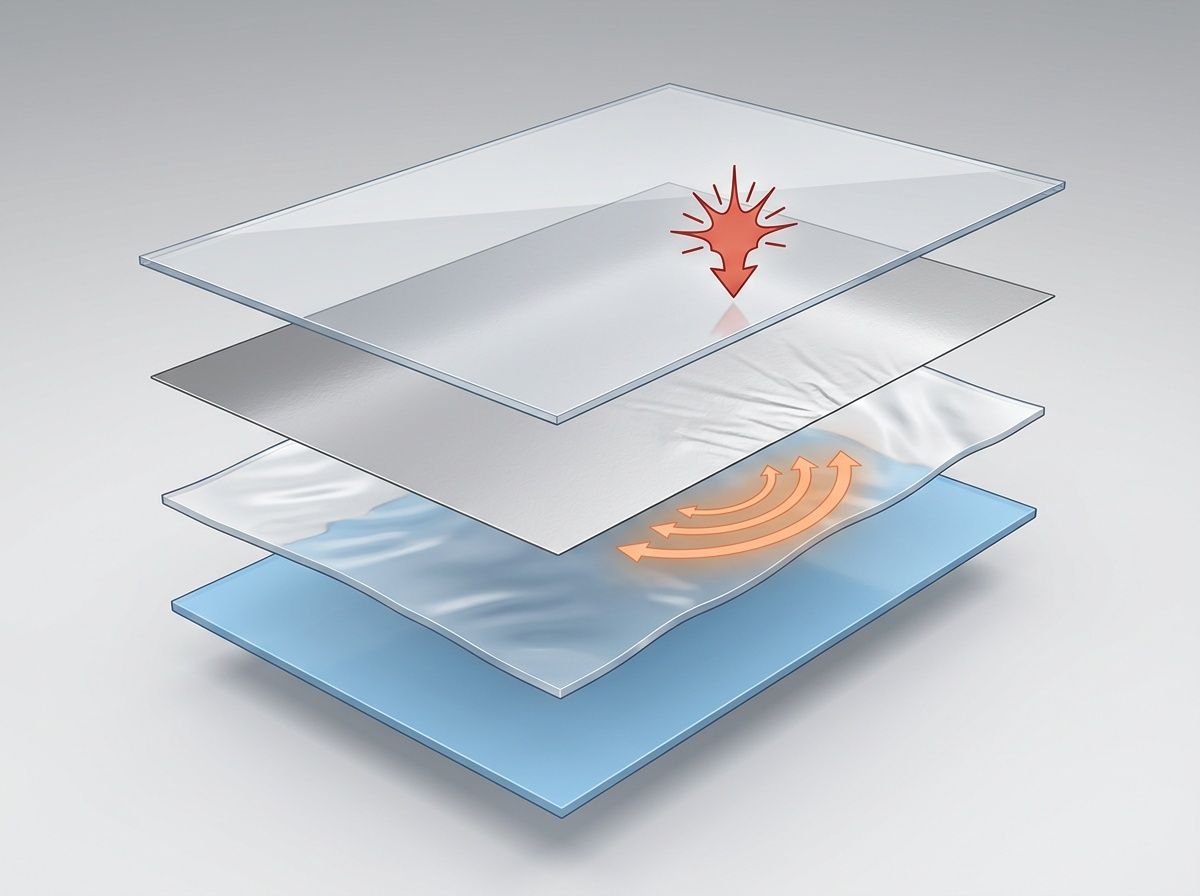
A typical structure for high-fat snacks is a triplex laminate: BOPP / AL / PE or PET / AL / CPP. Each layer has a specific functional role. The outer layer (BOPP or PET) provides the printing surface and thermal resistance during sealing. The middle layer (AL) provides the gas and light barrier. The inner layer (PE or CPP) provides heat-sealability and protects the aluminum from the food.
A failure mode in aluminum-based packaging is “pinholing.” Because aluminum is a metal, it is susceptible to fatigue when flexed. Small holes can form at the corners of a pouch or along fold lines during shipping. These pinholes compromise the vacuum or nitrogen flush. To prevent this, manufacturers often use soft-tempered foil and pair it with elastic polymers like Nylon (PA) in the laminate to absorb the energy of vibration and impact.
Maintaining Nitrogen Flush Efficacy
For many nut products, the air inside the bag is replaced with high-purity Nitrogen (N2) to reduce residual oxygen levels to below 1%. This process, known as Modified Atmosphere Packaging (MAP), is only effective if the moisture-proof aluminum foil pouch maintains integrity throughout the logistics cycle.
If the oxygen barrier film fails, the partial pressure difference causes O2 to enter the bag and N2 to leak out. This loss of MAP efficacy is a common cause of quality issues. Procurement departments must ensure that the laminate bond strength between the aluminum and the surrounding plastic layers is high enough to prevent delamination, which can create pockets where oxygen can accumulate.
Mechanical Integrity: Utilizing Nylon Film for Food Packaging in High-Risk Applications
In many snack categories, the primary cause of product loss is physical failure of the package. Snacks with sharp edges or those distributed through high-vibration transport require materials with mechanical robustness. This is where multi-layer PA/AL/CPP composite bag structures, utilizing Nylon (Polyamide), are applied.
Nylon film for food packaging is used for its toughness, combining high tensile strength and elongation at break. Unlike Polyester (PET) or Polypropylene, Nylon can absorb impact energy without puncturing.
Puncture Resistance in Oily and Sharp-Edged Snacks
The risk of leakers is high in the meat snack sector. Dried meat can have sharp points that pierce standard PE or PP bags. When a puncture occurs, the oxygen-free environment is lost, leading to rapid spoilage.
By incorporating a Biaxially Oriented Polyamide (BOPA/Nylon) layer, the package gains a shield effect. The molecular structure of Nylon features strong hydrogen bonding between amide groups, providing high Dart Impact Strength. This resists the point-load pressure exerted by sharp food items. For procurement managers, the cost of Nylon is offset by the reduction in product leakage rates.
Preventing Flex-Crack Failures in Cold Chain and Transit
Flex-cracking occurs when a package is subjected to repeated bending and vibration. This is prevalent in cold chain distribution, as most polymers become more brittle at low temperatures. A standard snack bag might survive a journey at room temperature but fail in sub-zero environments.
Nylon remains ductile at lower temperatures than PP or PET. In a multi-layer PA/AL/CPP composite bag, the Nylon layer acts as a stabilizer for the aluminum foil. It prevents the foil from reaching its fatigue limit by limiting the sharpness of folds. This synergy between the AL barrier and PA toughness is why this structure is selected for high-value snack items in unpredictable shipping environments.
Table 2: Mechanical Performance Comparison of Barrier Films
| Film Type | Puncture Resistance (N) | Elongation at Break (%) | Flex-Crack Resistance | Low-Temp Ductility |
|---|---|---|---|---|
| BOPP | Low (8-12) | 60-100 | Poor | Poor |
| PET | Moderate (15-20) | 100-120 | Fair | Moderate |
| BOPA (Nylon) | High (40-60) | 150-200 | Excellent | Excellent |
| LDPE | Low (10-15) | 300-500 | Good | Good |
Optimizing High-Speed Production with Performance Snack Pouch Materials
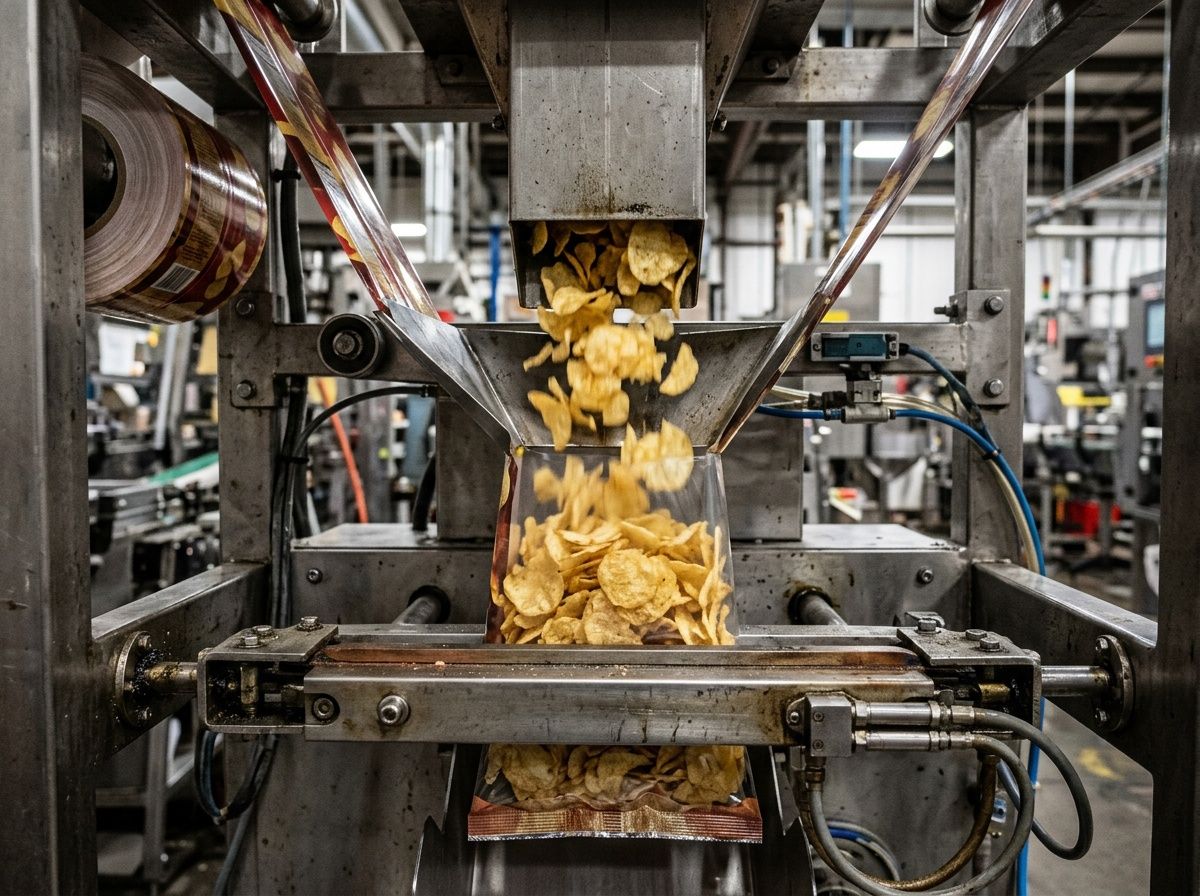
In the B2B sector, the efficiency of the packaging material on the production line is as important as its performance on the shelf. High-volume snack producers use Vertical Form Fill Seal (VFFS) machines that operate at high speeds. The physical properties of the gravure printed snack film roll directly impact throughput and the rate of scrap.
The primary technical parameters governing machine performance are the Coefficient of Friction (COF), Hot Tack strength, and the Heat Seal Window. If these parameters are off-spec, the result is machine downtime and hidden costs.
Managing Coefficient of Friction (COF) for High-Speed Flow
The COF measures how easily the film slides against itself and against machine parts. If the COF is too high, the film will drag on the forming tube, causing uneven bag lengths or web breaks. If the COF is too low, bags may slide off conveyors or stack poorly.
For a gravure printed snack film roll, the COF is controlled through slip agents added to the polymer resin. These agents create a lubricating layer on the surface. Procurement teams must specify the COF range based on specific machinery. Older machines might require higher slip to compensate for worn surfaces, while high-speed lines require a more precise COF to ensure consistent tracking.
Hot Tack and Seal Integrity at Scale
A critical mechanical property for VFFS machines is Hot Tack. This is the ability of the heat seal to hold together while in a molten state. In a VFFS machine, the product is dropped into the bag immediately after the bottom seal is made. If the Hot Tack is insufficient, the weight of the snack will pull the seal apart before it solidifies.
Materials like CPP and certain metallocene-catalyzed PE resins are engineered for high Hot Tack. They provide immediate cohesive strength upon melting. When selecting snack food packaging materials for dense products, the Hot Tack curve must ensure the seal can support the product weight at production speed.
Tensile Strength and Roll Stock Stability
The stability of the film roll is critical. During high-speed production, the film is subjected to rapid acceleration. If the film has low tensile strength or permanent deformation under tension, the registration of the print will shift, resulting in visually defective bags.
A high-quality gravure printed roll must have uniform tension and consistent gauge across the entire width. Variations in thickness can cause the film to wander, leading to tracking errors. Therefore, the procurement of roll stock depends on the precision of the converting and slitting process.
Specifying Functional Structures for Retail Environments
The final stage of procurement is the synthesis of technical requirements into a specification that balances performance and cost. The retail environment is demanding; snacks must survive palletization, fluctuating humidity, and the demand for sustainable snack packaging.
Choosing the right structure requires a trade-off analysis. For instance, moving toward recyclable packaging often involves transitioning from multi-material laminates to mono-material structures. However, mono-materials currently have lower oxygen barriers and a narrower heat-seal window.
The Trade-off: Recyclable Snack Packaging vs. High Barrier
The push for sustainability is driving a redesign of snack food packaging materials. The challenge is that properties making a package high-performance are the same properties making it difficult to recycle. A mono-material PE bag can be recycled but lacks the stiffness of PET and the absolute barrier of Aluminum.
To solve this, manufacturers are developing enhanced mono-materials that use vacuum-deposited coatings to provide a gas barrier. However, these coatings are fragile and require protective over-lacquers. Procurement managers must decide if the marketing value of a recyclable label outweighs the potential risk of reduced shelf life.
Total Cost of Ownership (TCO) in Material Selection
Technical procurement focuses on the Cost per Shipped Unit, which accounts for:
- Material Cost: The price of the film.
- Process Waste: Film lost during machine setup.
- Machine Efficiency: The maximum stable running speed.
- Logistical Loss: Product spoiled during transit.
- Retail Returns: Credits for stale or rancid product.
Analyzing these factors reveals that a high-performance laminate—such as a multi-layer PA/AL/CPP composite bag—often provides a lower TCO by ensuring near-zero failure rates and maximizing production throughput.
Environmental Influence on Material Specification
The destination climate must be considered. High temperatures accelerate both the diffusion of gases through polymers and the chemical reaction of oxidation. In high-humidity environments, the moisture barrier is the priority. For export markets, it is common to over-specify the barrier to withstand shipping containers in tropical climates. This is where the reliability of aluminum-based laminates remains a consistent buffer against global logistics.
Table 3: Summary Matrix: Snack Type vs. Recommended Material Structure
| Snack Category | Primary Barrier Goal | Recommended Structure | Key Material Advantage |
|---|---|---|---|
| Biscuits/Cookies | Moisture (H2O) | BOPP / CPP | High clarity + Excellent seal integrity |
| Nuts/Seeds | Oxygen (O2) + Light | PET / AL / PE | Absolute barrier to oxidation and UV |
| Potato Chips | O2 + Moisture | BOPP / VMPET / PE | Balanced barrier + High-speed performance |
| Jerky/Dried Meat | Puncture + O2 | BOPA / AL / CPP | High toughness + Zero leaker rate |
| Frozen Snacks | Low-Temp Impact | BOPA / PE | Maintains ductility at -18C |
Selecting snack food packaging materials is a multi-dimensional engineering task. From the molecular orientation of polyolefins to the mechanical energy absorption of Nylon, every layer plays a role in product success. By focusing on the technical interactions between food chemistry and polymer physics, procurement professionals can create strategic value.
Conclusion
The selection of snack food packaging materials has evolved into a precise engineering discipline where polymer orientation, seal integrity, and mechanical toughness must align with specific product sensitivities. While oriented films like BOPP provide essential barriers, the transition to CPP for biscuits or PA/AL laminates for high-fat snacks addresses critical trade-offs between shelf-life extension and physical durability. Technical procurement focuses on Total Cost of Ownership by optimizing machine throughput and minimizing logistical failures through controlled friction coefficients and puncture resistance. Balancing these parameters ensures product protection across global supply chains. To discuss specific barrier requirements for a product line, reach out to the engineering team.


0 Comments