

Key Takeaways
- Digitized heat-sealing control minimizes powder leakage: Precise management of temperature and pressure during the manufacturing process ensures seal integrity, directly preventing product loss and non-compliance issues common in the distribution of solid and liquid food products.
- Multi-layer BOPP/AL/PE structures optimize barrier performance: The combination of specific laminated materials and a 0.1mm thickness provides a moisture-proof shield that protects snacks and spices from environmental degradation, ensuring long-term shelf stability and product safety.
- Advanced surface treatments drive brand differentiation: Utilizing high-fidelity gravure printing alongside spot matte finishes or stamping transforms functional containment into a premium asset, allowing manufacturers to improve brand positioning through superior color accuracy and tactile appeal.
- Precision manufacturing parameters mitigate operational failure: Focusing on the technical interplay of lamination integrity and digitized sealing mechanisms addresses critical failure modes in flexible packaging, providing reliable containment for sensitive applications like dry fruits and snack storage.
Introduction
Seal failure in food distribution often stems from inconsistent thermal management during the fabrication stage. For brands handling fine powders or sensitive solids, a minor deviation in heat seal pouch technology can result in product loss, compromised shelf stability, and costly return cycles. These operational failures highlight the critical gap between standard containment and high-precision custom food packaging manufacturing, where seal integrity must remain intact under fluctuating transport pressures and environmental conditions.
Maintaining a reliable barrier requires more than just selecting high-strength films. The technical interplay of multi-layer structures, such as laminated BOPP/AL/PE, and the digitized control of sealing parameters are what prevent moisture ingress and oxidation. Whether executing complex 8-side seal bags or standard stand-up pouch manufacturing, the manufacturer must align lamination integrity with aesthetic requirements. Advanced finishing techniques, including spot matte treatments and high-fidelity printing, must be integrated without compromising the structural thermal bonds that protect the contents.
The Engineering of Seal Integrity in Custom Food Packaging Manufacturing
In the realm of flexible food packaging, the transition from traditional manufacturing to high-precision engineering is most visible in the management of seal integrity. Packaging failure is a systemic risk that involves product recall costs, brand erosion, and potential safety liabilities. Historically, heat sealing was managed via analog controls—simple thermostats that regulated the temperature of the sealing bars. However, this method is prone to “thermal lag,” a phenomenon where the actual temperature at the interface of the film fluctuates significantly due to the speed of the production line or changes in ambient factory conditions.
Digitized Heat-Sealing Control vs. Analog Thermal Management
Digitized heat-sealing control represents a significant shift in custom food packaging manufacturing. Unlike analog systems, digitized controllers utilize high-frequency feedback loops to monitor and adjust temperature, pressure, and dwell time in real-time. The core problem with analog systems is their inability to compensate for the heat sink effect. When cold film passes through heated sealing bars at high speeds, it absorbs heat, causing the bar temperature to drop momentarily. Analog systems are slow to respond, often resulting in “cold seals” at the start of a run or “over-sealed” brittle joints as the system overcompensates and overheats.
Digitized systems solve this by using PID (Proportional-Integral-Derivative) logic. This mathematical approach allows the machinery to predict heat loss and adjust power input before the temperature actually drops below the threshold.

This provides consistency across production shifts. The molecular entanglement of the sealant layer—usually Polyethylene (PE)—remains identical. This level of control is essential for products that require high internal pressure (Pint) resistance, such as those packed in modified atmosphere packaging (MAP) where N2 or CO2 is injected to preserve freshness.
Mitigating Powder Leakage in Fine-Solid Distribution
One of the most difficult challenges in food packaging is the containment of fine powders, such as spices, flour, or nutritional supplements. The primary failure mode here is “seal-through-contamination.” During the high-speed filling process, microscopic dust particles from the product often settle on the sealing area. In a standard manufacturing setup, these particles act as physical barriers, preventing the PE layers from fusing completely. This creates micro-channels through which moisture can enter or product can leak, leading to a high powder leakage rate.
High-precision manufacturing addresses this through a combination of digitized pressure control and specific seal-jaw geometries. By applying a precise, high-pressure pulse during the sealing phase, the molten PE is forced to flow around the dust particles, encapsulating them and maintaining a hermetic bond. This is not a matter of simply increasing pressure, as excessive force can thin the seal area, making it weak and prone to bursting. The optimal balance involves the viscosity of the molten polymer and a pressure curve that peaks at the exact millisecond of the bonding phase. This technical precision distinguishes a specialized food-grade packaging supplier.
The Physics of Thermal Bonding Under Pressure
At the molecular level, a heat seal is a fusion of polymer chains. When heat and pressure are applied, the polymer chains in the PE layer gain enough kinetic energy to move across the interface and entangle with the chains of the opposing layer. Upon cooling, these chains crystallize, creating a unified structure.
If the cooling phase is not managed, the crystals may grow too large, making the seal brittle. High-speed manufacturing lines now include a digitized cooling phase where the seal is held under lower pressure while its temperature is rapidly reduced. This ensures a fine crystalline structure that provides both high tensile strength and the flexibility needed to withstand the rigors of the global supply chain. This engineering detail translates to a lower rate of Return Material Authorizations (RMAs) and a more stable shelf presence.
Material Science and Barrier Performance in Flexible Food Packaging
The selection of materials in custom food packaging manufacturing is a calculated response to the chemical and physical sensitivities of the food product. Food products require a multi-layer composite to block O2, H2O, and UV light. The industry standard for high-sensitivity items, such as premium snacks and ground coffee, is the BOPP/AL/PE laminate structure.
The Synergy of BOPP, AL, and PE Multi-Layer Structures
Each layer in a 0.1mm composite serves a distinct engineering purpose. The outer layer, Biaxially Oriented Polypropylene (BOPP), provides high tensile strength and clarity.
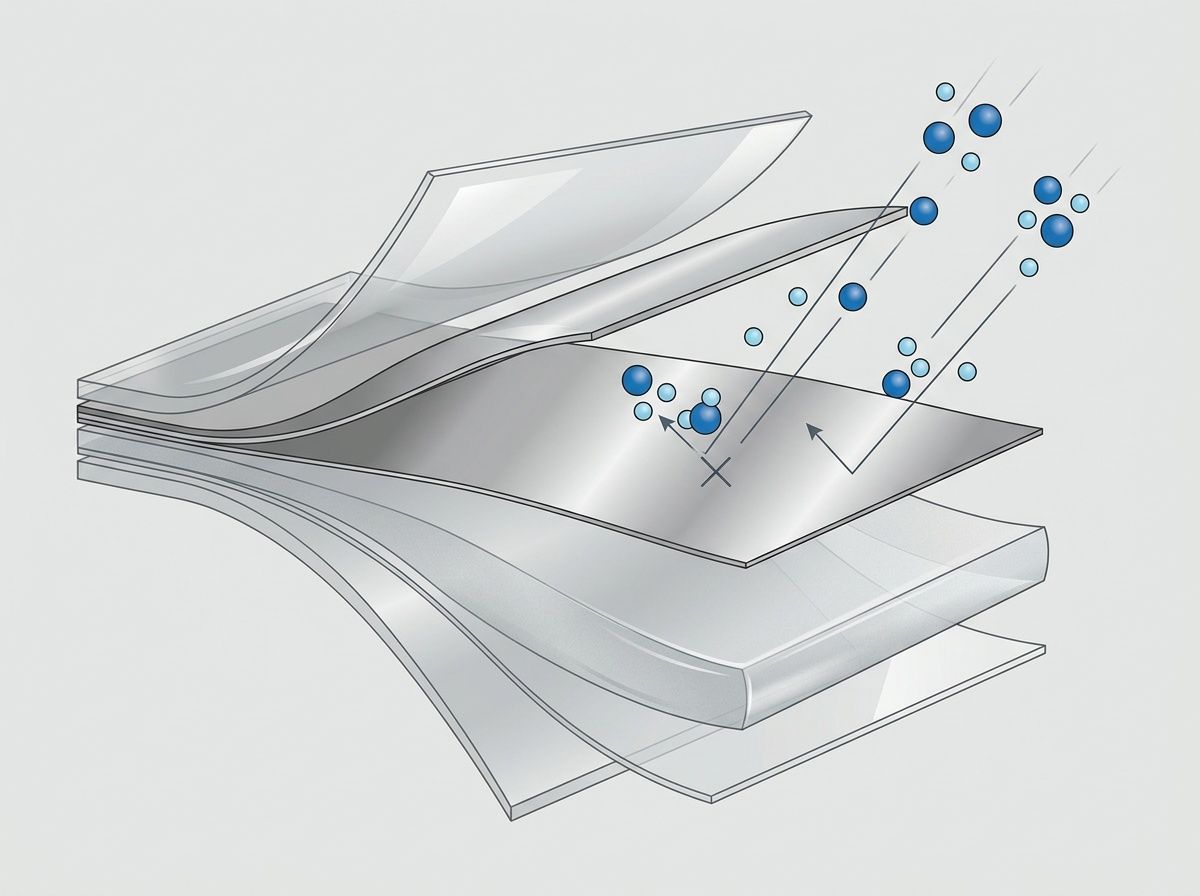
It acts as the surface for printing, protecting the ink from external scuffing and moisture. BOPP has a high melting point, which allows it to remain stable while the inner sealant layer is being melted by the heat-sealing bars.
The middle layer, Aluminum Foil (AL), is the functional heart of the barrier. It offers a near-zero Moisture Vapor Transmission Rate (MVTR) and Oxygen Transmission Rate (OTR). However, aluminum foil is susceptible to pinholing if flexed too often. Therefore, the lamination process is critical. Adhesive layers must be flexible enough to distribute mechanical stress across the entire laminate, preventing the aluminum from cracking during transport.
The innermost layer, Polyethylene (PE), is the food-contact layer. It must be chemically inert to ensure no off-flavors migrate into the food. PE also provides Ziplock packaging bags with their sealing capability. In a 0.1mm structure, the PE layer is usually the thickest, providing the bulk of the puncture resistance and structural integrity.
Performance Comparison of Laminate Structures
| Structure | O2 Barrier | Moisture Resistance | Puncture Strength | Typical Application |
|---|---|---|---|---|
| PET/PE | Moderate | Moderate | High | Frozen foods, short-term snacks |
| BOPP/PE | Low | Moderate | Moderate | Bakery items, fast-moving goods |
| BOPP/AL/PE | Superior | Superior | High | Spices, powders, long-term storage |
| Matte-BOPP/PET/PE | Moderate | Moderate | High | Premium aesthetic snacks |
Quantifying the 0.1mm Thickness Benchmark for Shelf Stability
In B2B packaging, 0.1mm (100 microns) is a standard benchmark for premium flexible packaging. While thinner bags may reduce material costs, they increase the risk of mechanical failure. At 0.1mm, the laminate provides enough body for the bag to stand upright on a retail shelf—a critical factor for stand-up pouches.
Furthermore, this thickness provides a buffer against the mechanical stresses of high-speed filling lines. During the filling process, the product is often dropped into the bag from a significant height. Thinner films may stretch or deform under this impact, compromising the alignment of the zipper or the integrity of the side seals. A 0.1mm structure maintains its geometry, ensuring the final product remains professional and the Ziplock packaging bags function correctly.
The Role of Lamination Integrity and Adhesives
The performance of a 0.1mm bag depends on the bond between its layers. Delamination—the separation of the BOPP, AL, and PE layers—is a common failure mode in low-quality manufacturing. This typically occurs due to low-grade solvent-based adhesives or insufficient curing time in a temperature-controlled environment.
In high-quality manufacturing, solvent-less lamination is often preferred. This process uses 100% solids adhesives that do not require an oven to dry, reducing the risk of solvent retention. The precision required involves managing the web tension of each film layer as they are pressed together. If one layer is pulled tighter than the others, the bag may curl or “tunnel,” creating an unattractive appearance and potential leak points.
Transitioning to Premium Custom Printed Food Bags
Achieving a premium look requires an understanding of the technical limitations and possibilities of gravure printing capabilities. High-fidelity gravure printing is the standard for high-performance food packaging because it offers a level of color consistency and detail that flexographic or digital printing cannot match.
High-Fidelity Gravure Printing for Color Accuracy and Consistency
Gravure printing works by etching the image into a metal cylinder. Each color has its own cylinder, and the ink is transferred from the etched cells directly onto the BOPP film. Because the cells are of a fixed volume, the amount of ink transferred is consistent across large-scale production runs. This is critical for brand owners who require color uniformity across different regions.
One technical challenge in gravure printing is ink migration. Since food packaging is often stored in tight bundles, there is a risk that chemicals in the ink could migrate through the film layers. High-end custom food packaging manufacturing uses specifically formulated, food-safe inks and coatings. These inks are tested for their Coefficient of Friction (COF), ensuring that the bags can slide easily through automated packaging machinery without sticking.
Utilizing Spot Matte and Stamping for Market Differentiation
In a crowded retail environment, tactile contrast is a useful tool. By using matte design examples, manufacturers can create a soft-touch feel on specific parts of the bag while keeping other areas high-gloss and transparent.

This is achieved through a spot matte coating applied as a final pass in the printing process.
However, matte coatings often contain agents that can change the thermal conductivity of the film. If a matte coating is applied over the heat-sealing area, it can interfere with the heat transfer to the PE layer. Precision manufacturing requires the mapping of these coatings so they stop 1-2mm away from the seal lines. This ensures that the bag maintains 100% seal integrity. Similarly, stamping must be applied with precise pressure and temperature to ensure it does not flake off when the bag is flexed or subjected to the heat of the sealing process.
Ink Adhesion and Surface Energy Management
Plastics like BOPP have low surface energy and naturally repel liquids like ink. To solve this, manufacturers use Corona Treatment, using high-voltage electricity to oxidize the surface of the film, increasing its surface energy.
In premium manufacturing, this surface energy is measured in dynes. If the dyne level is too low, the ink will scratch off easily. If it is too high, the film may become too sticky, causing it to tear during the printing process. Maintaining a consistent dyne level throughout a production run is a key KPI for technical audits. This ensures that the matte design examples remain professional throughout the product’s entire lifecycle.
Structural Innovations in Stand-Up Pouch Manufacturing
The move from simple flat pouches to 8-side seal (flat bottom) bags has significantly influenced the way food is displayed and protected. Each structural choice impacts the volume held, shelf stability, and stress points where the bag is likely to fail.
The Mechanics of 8-Side Seal Bags for Heavy Solids and Spices
The 8-side seal bag, also known as a box pouch or flat-bottom bag, is an advanced flexible packaging structure. Unlike a standard stand-up pouch, the 8-side seal bag acts as a flexible box. This structure provides two main advantages:
- Stability: The flat base allows the bag to hold heavy, dense products like spices or coffee beans without tipping.
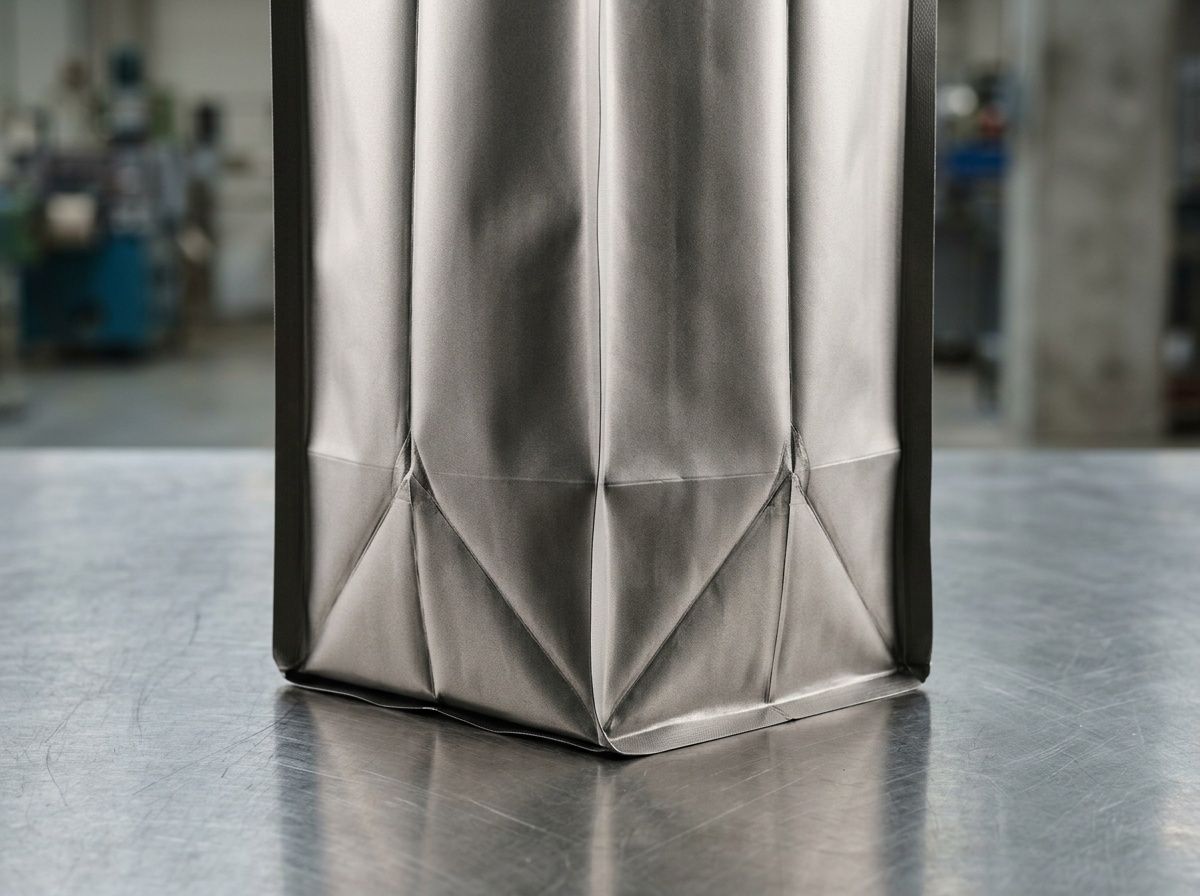
- Branding Surface: It provides five separate panels for printing, allowing for more information without cluttering the main face.
From a manufacturing standpoint, the 8-side seal is complex. It requires the synchronization of multiple film webs and a series of folding and sealing steps. The most common failure point is the four-corner seal at the base. If sealing parameters are off by a fraction, a pinhole leak can develop. This is why 8-side seal bags are typically reserved for applications where the manufacturer has the digitized control systems to ensure compliance.
Integrating Resealable Zippers without Compromising Hermetic Seals
A zipper is a functional necessity but also a structural liability. The point where the zipper meets the side seal—the zipper-crush—is the most common place for leaks. Because the zipper is a thick piece of plastic and the film is thin, the sealing bars must apply enough heat to melt the zipper base into the film without burning the film itself.
Advanced manufacturers use ultrasonic welding for zipper application. Unlike heat sealing, ultrasonic welding uses high-frequency vibrations to generate localized heat at the molecular level. This creates a cleaner, more reliable bond at the zipper ends. This ensures the consumer receives a bag that is easy to open and close while providing a perfect barrier before initial opening.
Gusset Design and Volume-to-Surface Area Ratios
Gusset design determines how the bag expands when filled. A well-engineered gusset ensures uniform expansion, preventing stress whitening—where the plastic turns white due to excessive stretching. Stress whitening indicates that polymer chains have been pulled apart and the barrier properties of the aluminum layer may be compromised.
Engineers use CAD (Computer-Aided Design) to simulate stress distribution. By optimizing the gusset geometry, they can reduce the amount of film needed to hold a specific volume, improving the total cost for procurement without sacrificing the structural integrity of the 8-side seal bags.
Technical Benchmarking for Selecting a Food Grade Packaging Supplier
Choosing a food grade packaging supplier is a decision that impacts the entire supply chain. Procurement teams should focus on technical KPIs that indicate a stable manufacturing process. The hidden costs of low-quality packaging—such as machine downtime, product spoilage, and consumer complaints—often outweigh initial savings.
Quality Control Protocols in Mass Wholesale Production
A high-performance manufacturer integrates a multi-stage quality control process into the production line. This includes:
- Burst Testing: Samples are inflated until they burst to measure the ultimate strength of the seals.
- Drop Testing: Filled bags are dropped from 1.5 to 2 meters to simulate logistical handling.
- Solvent Residual Testing: Using Gas Chromatography to ensure no harmful chemicals from inks or adhesives remain on the film.
- Color Delta-E Control: Using spectrophotometers to ensure the color of custom printed food bags remains within a tight tolerance (Delta-E < 2.0).
Key Performance Indicators (KPIs) for Manufacturing Excellence
| Testing Parameter | Industry Standard | Business Impact of Failure |
|---|---|---|
| Seal Strength | Must exceed film strength | Burst bags during shipping; high RMA rates |
| Powder Leakage Rate | Near Zero (< 0.1% in stress tests) | Shelf contamination; consumer dissatisfaction |
| Lamination Bond | No delamination under 3N/15mm | Loss of barrier properties; product spoilage |
| Color Consistency | Delta-E < 2.0 | Brand erosion; perceived low quality |
| Solvent Residuals | Below detectable limits | Food safety risks; legal liability; off-flavors |
Analyzing Total Cost of Ownership (TCO) in B2B Packaging Solutions
The TCO of packaging includes the cost of the bag, filling, shipping, and the cost of any failures. A 0.1mm BOPP/AL/PE bag may cost more than a thinner, non-aluminum bag. However, if the high-quality bag reduces the product spoilage rate and eliminates leaker complaints, the ROI is significant. Procurement should evaluate a supplier’s digitized control logs and process history to ensure long-term cost control.
Operational Validation and Failure Analysis in Heat Seal Pouch Technology
Custom food packaging manufacturing must account for the forces acting on a package during its journey to the consumer. This is where operational validation and failure analysis become critical.
Identifying Lamination Delamination and Seal Weakness
Delamination is a serious issue that may not appear until the bag has been on the shelf for weeks. It starts as a small bubble and leads to a complete loss of the oxygen barrier. This is often caused by chemical incompatibility between the product and the adhesive. For example, some acidic foods can migrate through the PE layer and attack the adhesive holding the AL layer.
A technical supplier performs product-package compatibility testing. They store the product in sample bags at high temperatures and humidity to observe any delamination. This proactive analysis ensures that Ziplock packaging bags are specifically engineered for the chemical profile of the content.
Testing Leakage Rates under Fluctuating Transport Pressures
When a bag is transported at high altitudes, external air pressure drops, causing the bag to swell. If the seals are not engineered with high hot tack and tensile strength, the bag will pop.
To prevent this, manufacturers use vacuum chamber tests to simulate high-altitude conditions. This test looks for creep in the seals—a slow stretching that leads to a leak. By optimizing the digitized cooling phase of the seal, manufacturers create a bond strong enough to resist these pressure fluctuations, providing the operational reliability required for premium brands.
The Role of Curing and Crystallinity
The manufacturing process continues after the bag is cut. The curing phase allows adhesives and PE crystals to reach a stable state. If bags are shipped too quickly, the seals may remain soft, and the lamination may not reach full strength. Precision manufacturing includes a mandated curing period in a temperature-controlled warehouse. This attention to the post-production phase ensures that gravure printing capabilities and structural innovations result in a product that is both secure and visually consistent.
Conclusion
High-precision food packaging relies on the integration of digitized thermal controls and engineered multi-layer laminates. By utilizing PID logic and the 0.1mm BOPP/AL/PE structure, manufacturers achieve molecular-level seal integrity and superior barrier performance against oxygen and moisture. These technical standards are essential for mitigating systemic risks such as powder leakage, delamination, and mechanical failure during high-speed filling or transit. Prioritizing these engineering parameters over simple material costs ensures long-term shelf stability and brand consistency across the supply chain. To discuss barrier requirements or specific material specifications for your product line, reach out to the engineering team.


0 Comments