

Key Takeaways
- Superior Barrier Protection: Aluminum foil laminated structures like BOPP/AL/PE provide the highest oxygen and moisture insulation for premium bakery goods. This barrier effectively extends shelf life and prevents product spoilage by maintaining extremely low transmission rates.
- Cost-Effective Transparency: Plastic-plastic laminates incorporating heat-sealable CPP film offer high clarity and reliable moisture resistance for mid-range products. This material selection reduces procurement costs while allowing consumers to visually inspect the freshness of the bakery goods.
- Strategic Barrier Optimization: Translating OTR and WVTR metrics into material selection helps manufacturers avoid the financial burden of over-packaging. Matching specific barrier performance to product sensitivity ensures that shelf life requirements are met without inflating material expenses.
- Operational Durability: High-barrier aluminum foil rollstock is engineered for consistent heat seal strength and durability on automatic packaging lines. These structural properties minimize film failure during high-speed sealing and maintain package integrity throughout the industrial distribution cycle.
Introduction
Bakery products are sensitive to environmental factors, where minor failures in oxygen barrier properties lead to premature staling or fat oxidation. Manufacturers face a recurring conflict between achieving necessary shelf life extension and controlling the per-unit cost of food grade flexible packaging. Using an insufficient barrier leads to moisture gain and texture loss, while over-specifying materials can erode profit margins in high-volume production.
The decision between aluminum foil and plastic laminate is a critical factor for procurement managers and packaging engineers. While plastic-plastic structures utilizing CPP offer transparency and reliable moisture resistance for fast-moving goods, premium or long-life products often require the near-zero transmission rates of aluminum-based structures. Beyond the barrier itself, custom rollstock for bakery must maintain consistent heat seal strength to ensure package integrity throughout high-speed industrial distribution and variable storage conditions.
Analyzing how different laminated packaging film structures impact OTR and WVTR performance helps determine whether specific products require the absolute barrier of aluminum or if a high barrier packaging film with plastic-based layers offers a more efficient balance of visibility and protection for operational requirements.
The Impact of Bakery Flexible Packaging on Product Degradation Pathways
The shelf life of bakery products is a delicate equilibrium governed by moisture content, lipid stability, and microbial safety. In the context of industrial production, the choice of flexible food packaging is the primary determinant of whether a product reaches the consumer in its intended state or succumbs to premature degradation. Understanding the physical and chemical pathways of failure is essential for procurement and quality control teams to specify the correct material structures.
Moisture Equilibrium and the Prevention of Staling
Staling, or starch retrogradation, is a significant challenge in the storage of bread-based bakery items. This is not merely a process of drying out, but a complex rearrangement of starch molecules—specifically amylopectin—from a disordered state to a crystalline structure. Moisture migration plays a critical role in this transition. In a high-moisture environment, the crumb of the bread loses water to the crust or the atmosphere, leading to a firm, leathery texture.
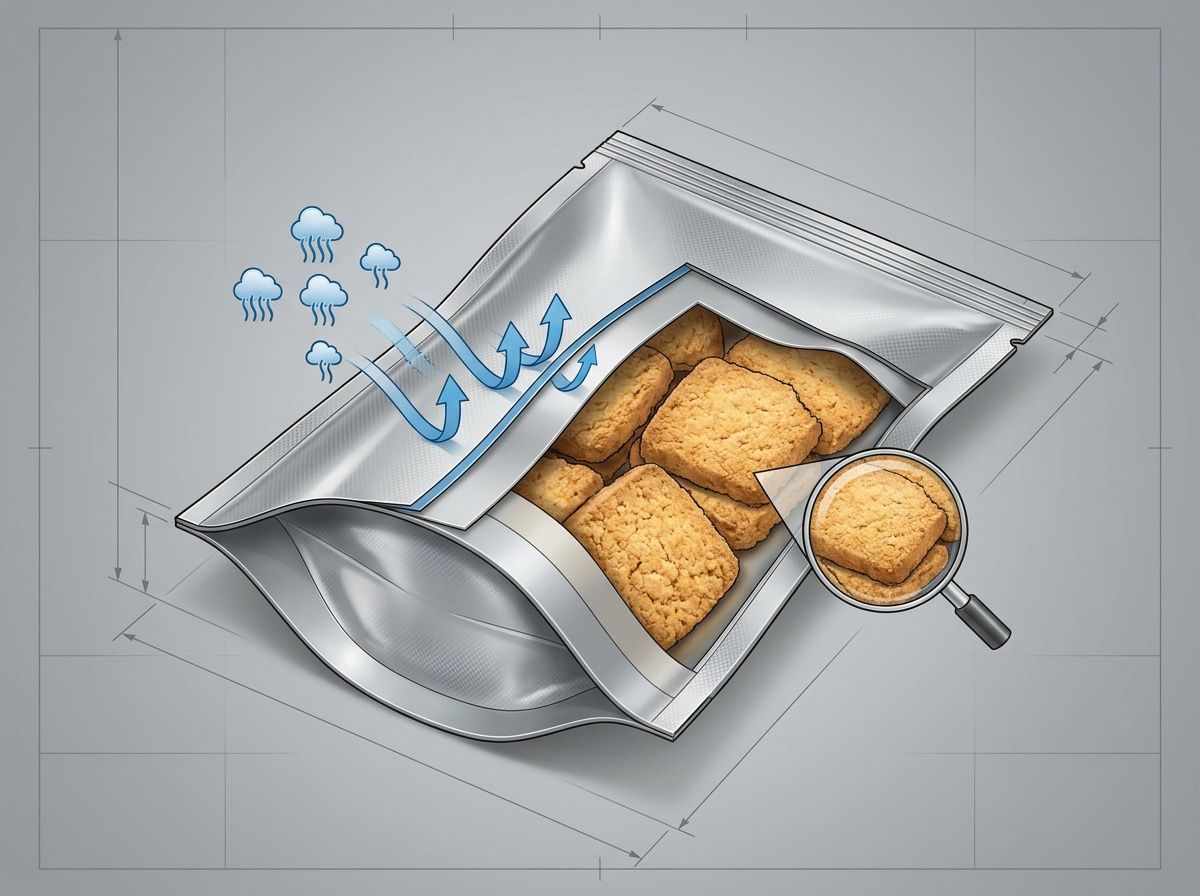
If the packaging fails to provide an adequate moisture barrier (high WVTR), the product will either lose moisture, leading to brittleness, or gain moisture, leading to loss of crispness in products like biscuits or crackers. The water activity (aw) of a product determines its susceptibility to these changes. For soft pastries, a packaging material must maintain high internal humidity while preventing the external environment from driving the moisture equilibrium toward the dew point, which triggers condensation and mold growth. Conversely, for dry bakery goods, the barrier must be robust enough to prevent any ingress of ambient humidity, which would otherwise plasticize the starch and destroy the structural snap of the product.
Oxidative Stability in Fat-Rich Pastries
Bakery products such as croissants, donuts, and premium cookies often contain high levels of lipids, including butter, vegetable oils, or shortenings. These fats are susceptible to oxidative rancidity, a chemical reaction where oxygen reacts with unsaturated fatty acids to produce aldehydes and ketones. These compounds are responsible for the off-flavors and odors that signify spoilage.
The rate of oxidation is influenced by several factors: oxygen concentration within the headspace, light exposure, and the presence of trace metals. High-performance flexible packaging intervenes by providing a physical barrier to oxygen molecules (measured by OTR). In products with high fat content, even a small amount of oxygen permeation can lead to a significant reduction in sensory quality long before the product becomes unsafe. Furthermore, light-induced oxidation is a concern for products displayed under retail LED or fluorescent lighting. This necessitates an assessment of whether a transparent structure is sufficient or if an opaque, light-blocking layer like aluminum foil is required to preserve the lipid profile.
The Role of Atmospheric Control in Mold Prevention
Microbial degradation, particularly the growth of aerobic molds such as Aspergillus and Penicillium, is the limiting factor for the shelf life of many medium-moisture bakery items (aw 0.65 to 0.85). These microorganisms require oxygen to metabolize and reproduce. By utilizing high-barrier packaging, manufacturers can maintain a modified atmosphere (MAP)—often replacing oxygen with N2 or CO2—to inhibit microbial respiration.
The failure of the packaging seal or a material with a high OTR allows oxygen to enter the package, eventually reaching a threshold that supports mold germination. The integrity of the barrier must be high; even microscopic pinholes in the laminate or weak points in the heat seal can create localized environments where mold survives. Therefore, the material must possess high intrinsic barrier properties and the mechanical toughness to withstand the supply chain without developing micro-fractures.
Quantifying Barrier Performance: OTR and WVTR in Food Grade Flexible Packaging
To transition from qualitative descriptions of freshness to engineering specifications, the industry relies on two primary metrics: Oxygen Transmission Rate (OTR) and Water Vapor Transmission Rate (WVTR). These metrics allow procurement managers to compare different material structures objectively and predict performance under specific environmental conditions.
Standardizing Oxygen Transmission Metrics for Oxidation Control
OTR is defined as the quantity of oxygen gas that passes through a unit area of parallel surfaces of a plastic film per unit time under specified conditions of temperature and humidity. The standard units are cc/m2/24h. For bakery products sensitive to oxidation, an OTR of less than 1.0 cc/m2/24h is often sought for long-shelf-life applications, whereas short-turnover products may tolerate OTRs in the range of 50 to 100 cc/m2/24h.
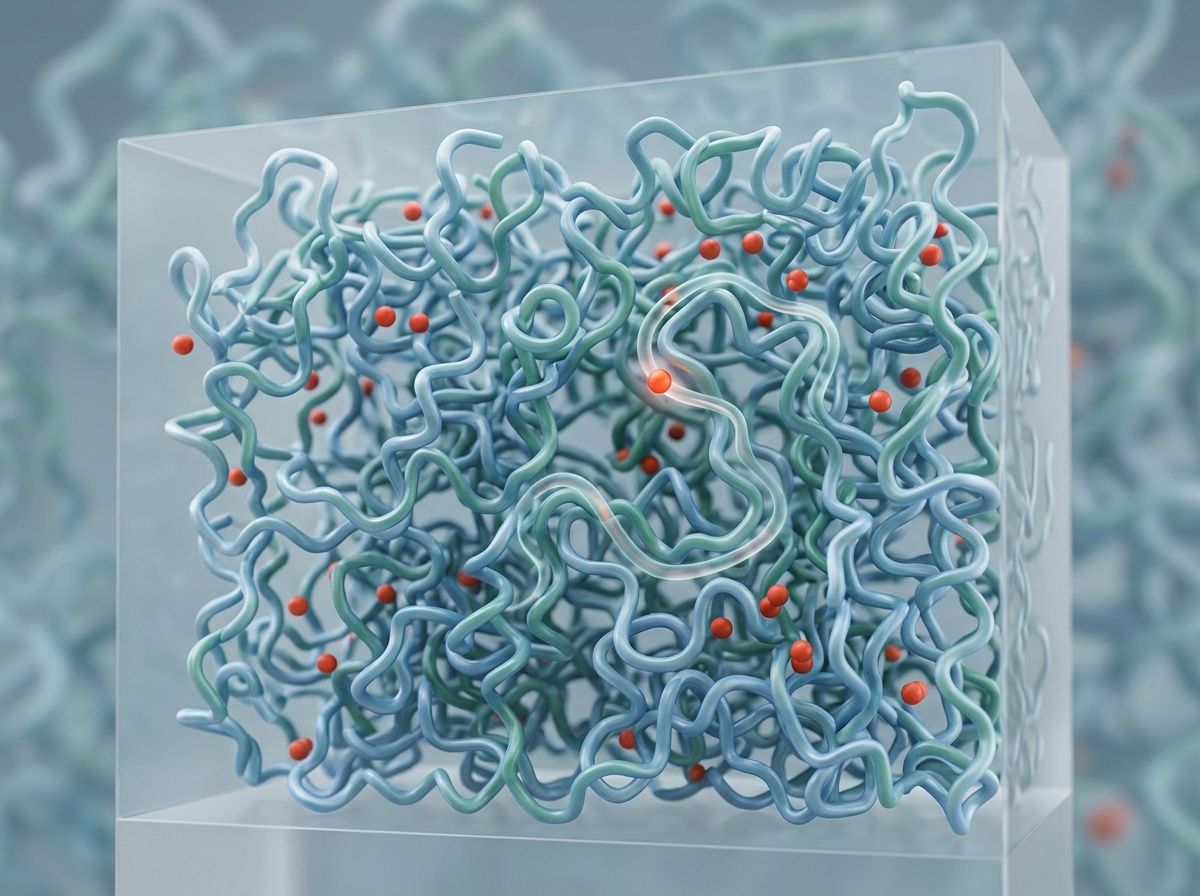
The barrier mechanism in polymer films involves a three-step process: adsorption of the gas molecule onto the high-pressure side of the film, diffusion through the polymer matrix, and desorption from the low-pressure side. The density of the polymer chains and the presence of crystalline regions affect this diffusion. For example, PET (Polyethylene Terephthalate) has a much lower OTR than PE (Polyethylene) because its molecular structure is more tightly packed, creating a more tortuous path for oxygen molecules.
Critical Moisture Vapor Transfer Rates for Crispness Retention
WVTR measures the passage of water vapor through a barrier, expressed in g/m2/24h. In the bakery sector, managing WVTR prevents the softening of biscuits or the hardening of cakes. Unlike oxygen, water vapor is a polar molecule, and its interaction with the packaging material can be more complex. Some polymers, like Nylon (PA), are hygroscopic, meaning they absorb water, which can change their OTR and mechanical properties as they become plasticized by moisture.
For products like dry crackers, a WVTR of less than 0.5 g/m2/24h is typically required to ensure a shelf life of six months or more. Achieving this often requires the use of specialized coatings or the incorporation of metallic layers. The measurement of WVTR is sensitive to the humidity gradient. A package that performs well in a dry, temperate climate may fail rapidly in a tropical environment with 90% relative humidity, requiring testing under tropical conditions (38 degrees Celsius, 90% RH).
The Impact of Environmental Variables on Permeability
The permeability of flexible films is a function of temperature and humidity. According to the Arrhenius equation, as temperature increases, the kinetic energy of gas molecules increases, and the free volume within the polymer matrix expands, leading to a higher rate of permeation.
For bakery manufacturers distributing products across different climatic zones, this temperature dependence is a critical risk factor. A packaging structure adequate for a refrigerated supply chain may be insufficient for ambient distribution in summer months. Furthermore, the mechanical stress of flex-cracking—where the film is bent or folded during transport—can create micro-cracks in brittle barrier layers like VMPET (metalized polyester), increasing the effective OTR and WVTR of the finished package.
| Material Structure | Typical OTR (cc/m2/24h) | Typical WVTR (g/m2/24h) | Barrier Level |
|---|---|---|---|
| BOPP (20 micron) | 2,000 – 2,500 | 4.0 – 5.0 | Low |
| PET (12 micron) | 100 – 120 | 20 – 25 | Medium (O2) / Low (H2O) |
| BOPP/CPP | 800 – 1,200 | 3.0 – 4.0 | Low to Medium |
| VMPET/PE | 1.0 – 2.0 | 0.5 – 1.0 | High |
| BOPP/AL/PE | ~ 0 | ~ 0 | Ultra-High (Absolute) |
Material Architecture: Aluminum Foil vs Plastic Laminate Structures
The choice between plastic-plastic (all-polymeric) laminates and aluminum-plastic structures is central to bakery packaging procurement. Each architecture offers a different balance of protection, aesthetics, and cost-effectiveness.
The Absolute Barrier: Multi-layer Aluminum Foil Laminates
Aluminum foil (AL) is the primary benchmark for barrier performance. When integrated into a multi-layer structure, such as BOPP/AL/PE, the aluminum layer provides a near-zero OTR and WVTR. Because aluminum is a metal, it does not allow gas molecules to diffuse through its atomic lattice. The only way gases pass through a defect-free foil layer is through microscopic pinholes, which are rare in foils thicker than 7 microns.
For high-end bakery products with a shelf life exceeding six months, aluminum foil laminated rollstock is often the required solution. Beyond its gas barrier properties, aluminum foil provides an absolute block against light (UV and visible). This is vital for preventing the degradation of light-sensitive vitamins and the photo-oxidation of fats. However, the use of foil renders the package opaque and prevents the use of metal detectors for post-packaging quality checks.

Cost-Effective Clarity: The Mechanics of Plastic-Plastic Structures
Plastic-plastic laminates, such as BOPP/CPP or PET/PE, are common in the bakery industry. These structures are typically lighter and more cost-effective than foil-based alternatives. A heat-sealable moisture-barrier film like a BOPP/CPP laminate is suitable for products with high turnover rates, such as daily-delivered bread.
BOPP (Biaxially Oriented Polypropylene) provides clarity and high tensile strength, making it an ideal outer layer for printing. CPP (Cast Polypropylene) is used as the inner sealant layer because of its lower seal-initiation temperature and superior puncture resistance. While these materials do not provide an absolute barrier, performance can be improved through barrier coatings or by increasing layer thickness. The primary advantage of this architecture is transparency, allowing consumers to see the product texture.
Light Transmission and Photo-Oxidation Protection
In plastic-plastic laminates, even if the gas barrier is sufficient, light transmission can lead to quality loss. UV light can break chemical bonds in food components, leading to discoloration and off-flavors.
To mitigate this without using aluminum foil, manufacturers may use metalized films (VMPET or VMCPP). These are created by depositing a microscopic layer of aluminum onto a plastic film through a vacuum process. Metalized films offer a finish that reflects light and improves gas barrier properties by 10 to 100 times compared to non-metalized films. However, they are not absolute barriers and are prone to flex-cracking, where the metal layer separates if the film is repeatedly bent.
Engineering High Barrier Packaging Film for Shelf Life Extension
High-performance packaging film engineering involves bonding specific materials to form a functional structure through manufacturing processes that ensure consistency.
Multi-Layer Synergy in Laminated Packaging Film
Multiple layers are combined to use the strengths of different polymers. A typical high-barrier structure consists of:
- Outer Layer (e.g., PET or BOPP): Provides the printing surface, heat resistance, and structural stiffness.
- Barrier Layer (e.g., AL, EVOH, or VMPET): The core functional layer responsible for blocking oxygen and moisture.
- Tie Layers (Adhesives): Specialized polymers or solvent-based glues that bond dissimilar materials.
- Inner Sealant Layer (e.g., PE or CPP): A food-grade layer that melts at a specific temperature to form a hermetic seal.
The synergy between these layers defines a high-barrier stand-up pouch. For instance, EVOH is an exceptional oxygen barrier but is sensitive to moisture. By placing EVOH between two layers of moisture-resistant PE, the gas-blocking properties are maintained throughout the product’s life.
Interlayer Adhesion and Delamination Resistance
Delamination—the separation of individual layers—is a common failure mode. This occurs due to poor adhesive application, chemical incompatibility with the food product, or mechanical stress. Delamination destroys structural integrity and creates channels where air and moisture bypass the barrier layer. In the production of custom rollstock, lamination techniques such as dry lamination or extrusion lamination must be carefully controlled to ensure bond strength remains high during shipping and handling.
Optimizing Layer Thickness for Targeted Shelf Life
Engineering the optimal gauge of each layer balances protection and cost. Thinner films (downgauging) reduce material costs but increase the risk of punctures and lower barrier performance. Thicker films provide more protection but can be difficult to run on high-speed automatic packaging lines due to increased stiffness and the need for higher sealing temperatures. Precision engineering creates fit-for-purpose packaging where OTR and WVTR are matched to the degradation rate of the specific bakery item.
Technical Requirements for Custom Rollstock for Bakery Automatic Lines
The mechanical properties of a film determine the efficiency of high-speed VFFS (Vertical Form-Fill-Seal) or HFFS (Horizontal Form-Fill-Seal) equipment.
Optimizing Heat Seal Strength for Hermetic Integrity
A hermetic seal is required for bakery items using MAP. The sealant layer must have a wide sealing window—a range of temperatures for forming a strong bond without distorting outer layers. Hot tack, the strength of the heat seal while in a molten state, is critical. In a VFFS machine, the product weight drops onto the bottom seal before it has cooled. High-performance rollstock utilizes specialized metallocene-PE or CPP blends to provide superior hot tack and the ability to seal through contamination like crumbs or oils.

Machinability Factors: Coefficient of Friction and Tension Control
On an automatic line, the film must travel smoothly over rollers and formers. The Coefficient of Friction (COF) measures how the film slides.
- High COF: Causes film drag, inconsistent bag lengths, and jams.
- Low COF: May cause the film to telescope on the roll or slip out of alignment.
Manufacturers use slip agents and anti-block additives to manage the COF. These additives migrate to the surface to provide lubrication, but concentrations must be managed to avoid interference with adhesive lamination or ink adhesion.
Performance Metrics for High-Speed Rollstock Distribution
Tensile strength and modulus (stiffness) are vital. During high-speed operation, the rollstock is subjected to tension. Elastic films will stretch, causing print distortion and seal misalignment. Brittle films may snap under sudden starts and stops. Consistency in roll geometry ensures the web unwinds straight without wandering, requiring precise control over the winding process.
Procurement Strategies and TCO in Bakery Flexible Packaging
Procurement aims to minimize the Total Cost of Ownership (TCO) by viewing material costs, production efficiency, and quality failure costs holistically.
Total Cost of Ownership: Analyzing the Price of Spoilage
The price of a high-barrier aluminum laminate may be higher than a plastic structure, but the TCO analysis must include the cost of failure. If a lower-cost film results in increased product returns due to staling or mold, that cost outweighs the savings. Reliability is a component of the brand promise. Procurement teams evaluate the ROI of higher-barrier materials by calculating the extended distribution radius allowed by better packaging.
The Decision Matrix: When to Prioritize Transparency
The choice between a transparent heat-sealable moisture-barrier film and an opaque foil laminate is guided by product sensitivity and marketing requirements.
| Product Category | Sensitivity | Distribution Cycle | Recommended Structure | Reason |
|---|---|---|---|---|
| Artisan Fresh Bread | Low | 1-3 Days | Monolayer BOPP/PE | Low cost, high turnover. |
| Packaged Croissants | Medium | 7-14 Days | BOPP/CPP (Coated) | Balance of cost and O2 barrier. |
| Premium Biscuits | High | 6+ Months | BOPP/VMPET/PE | Moisture and light barrier. |
| Export-Grade Cakes | Ultra-High | 12 Months | PET/AL/PE | Absolute barrier for logistics. |
Sustainability and the Future of High-Barrier Laminates
Traditional multi-material laminates are difficult to recycle. The industry is moving toward mono-material high-barrier structures—such as all-PE or all-PP laminates—using specialized coatings or MDO (Machine Direction Orientation) technology. Procurement managers weigh the TCO of these materials against potential plastic taxes or consumer preferences. Downgauging remains an effective way to reduce the environmental footprint while maintaining the barrier necessary to prevent food waste.
Conclusion
The shelf life of industrial bakery products depends on control over moisture migration and oxidative stability, governed by the WVTR and OTR of the flexible packaging. While aluminum foil laminates provide an absolute barrier for high-lipid or long-life items, plastic-plastic structures offer transparency and efficiency for products with higher turnover. Selecting the appropriate material architecture and gauge is critical for balancing product integrity against the total cost of ownership. Ensuring optimal machinability, including heat seal strength and coefficient of friction, protects against production-line inefficiencies and packaging failure. To discuss specific barrier requirements or material specifications for the product line, contact the engineering team.


0 Comments