
Key Takeaways
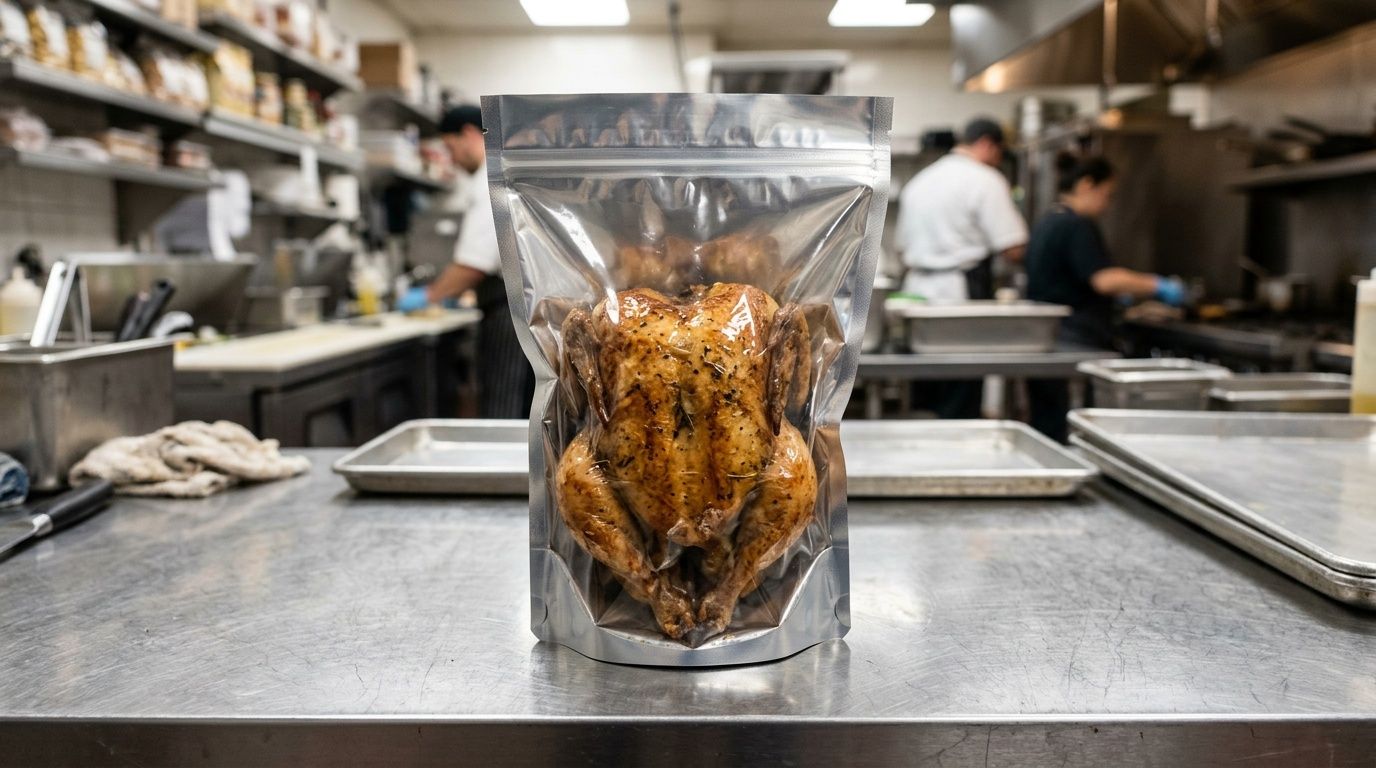
- Multi-layer lamination ensures enhanced barrier performance: Utilizing PET, PA, and Aluminum foil structures creates an effective oxygen and moisture barrier, which prevents oxidation and extends the shelf life of processed deli meats in professional retail environments.
- PA integration provides key puncture resistance: Incorporating Nylon into the film structure improves mechanical strength, preventing bag breakage during the transport of heavy or textured deli products such as roasted meats with sharp or irregular surfaces.
- Thermal stability prevents packaging failure during hot-filling: Industrial-grade materials designed for heat resistance reduce the risk of bag leakage or structural compromise when packaging greasy, hot-filled products like braised meats, ensuring consistent food safety compliance.
- Vacuum sealing mechanisms inhibit product spoilage: High-barrier vacuum bags exclude oxygen to protect sensitive deli ingredients from rancidity and moisture ingress, maintaining product quality and flavor profiles throughout the professional food processing supply chain.
Introduction
Packaging failure in professional deli retail often manifests at critical points: a structural breach during hot-filling or a gradual loss of flavor due to oxygen ingress. When handling greasy, braised, or roasted products, the cost of utilizing inadequate materials extends beyond simple product loss to include regulatory non-compliance and compromised food safety. For high-volume operations, the challenge lies in selecting a solution that maintains integrity under thermal stress while providing a robust barrier against external contaminants.
Achieving this balance requires a technical understanding of how multi-layer lamination and nylon integration function within deli food flexible packaging. While standard films may suffice for cold, lightweight items, they frequently fail when exposed to the sharp edges of textured meats or the high temperatures of professional food processing. Utilizing high barrier packaging films with specialized thermal properties is essential for preventing the oxidation and moisture ingress that lead to premature spoilage.
This analysis examines the relationship between material composition, heat resistance, and puncture durability in retail environments. This data assists procurement managers and packaging engineers in determining which technical specifications are necessary to secure the supply chain and ensure that product quality remains consistent from the production floor to the final point of sale.
Technical Challenges in Deli Food Flexible Packaging: Managing Spoilage and Structural Failure
The professional deli retail environment is a demanding sector for industrial flexible food packaging category. Unlike shelf-stable dry goods, deli products—ranging from roasted ducks and braised pork to cured hams and sliced cheeses—are biologically active and chemically sensitive. The technical challenge lies in creating a barrier that simultaneously manages moisture migration, lipid oxidation, and microbial proliferation while maintaining structural integrity under physical and thermal stress.
The Spoilage Mechanism: Lipid Oxidation and Moisture Migration
In high-fat deli products, such as braised meats and sausages, the primary chemical threat is lipid oxidation. This process occurs when unsaturated fats react with atmospheric O2, leading to the formation of hydroperoxides, which subsequently break down into aldehydes and ketones. These compounds are responsible for the “off-flavors” and rancid odors that can render a premium product unsellable. For procurement managers, the choice of material must prioritize an Oxygen Transmission Rate (OTR) that effectively halts this chain reaction.
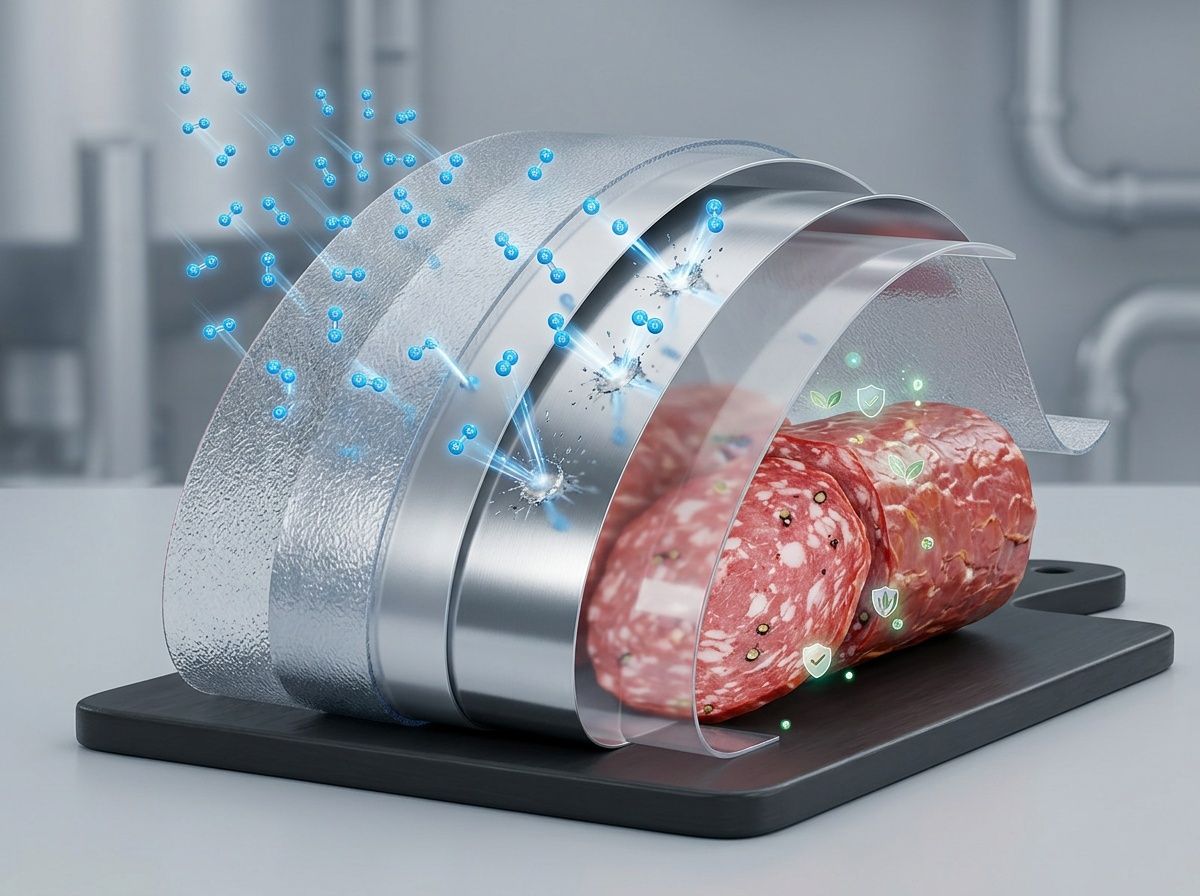
Furthermore, moisture migration poses a dual threat. For “wet” products like braised meats, a loss of moisture (desiccation) leads to a toughened texture and weight loss, directly impacting the bottom line. Conversely, for dry-cured meats, the ingress of external H2O from humid retail displays can alter the water activity (aw) of the product surface, potentially triggering the growth of mold or yeast. High-performance deli packaging must serve as a two-way regulator, keeping internal moisture in and external humidity out.
Structural Vulnerabilities during Hot-Filling Operations
A frequent failure point in deli operations occurs during the “hot-filling” phase. Industrial kitchens often bag braised or roasted products while they are still at temperatures exceeding 80C. Standard Polyethylene (PE) films, often chosen for their low cost, have a relatively low softening point. When hot, greasy food is introduced, the combination of thermal energy and animal fats can cause “seal creep.”
Seal creep is a phenomenon where the internal pressure of the food, combined with the softened state of the sealant layer, causes the heat-sealed area to slowly pull apart or “drift” before it has fully cooled and set. If the sealant layer does not possess high “Hot Tack” strength—the ability of a seal to resist peel forces while still in a molten state—the package will fail immediately on the production line or develop micro-leaks that lead to spoilage later.
The Breakdown of Modified Atmosphere Packaging (MAP) Integrity
Many professional deli retailers utilize Modified Atmosphere Packaging (MAP) to extend shelf life without chemical preservatives. By flushing the bag with a mixture of N2 and CO2, the growth of aerobic spoilage bacteria is inhibited. However, the success of MAP is entirely dependent on the hermetic nature of the package.
A “leaker”—a bag with a microscopic breach—allows the protective gas to escape and O2 to enter. In a high-volume retail setting, a failure rate of even 1% leads to significant financial losses and brand damage. Failure often occurs at the corner folds or along the side seals where multi-layer films are most stressed. Understanding the mechanical limits of the film’s tensile strength and its compatibility with vacuum-sealing machinery is essential for ensuring that the MAP environment remains stable from the processing facility to the point of consumption.
High Barrier Packaging Films: The Science of Gas and Moisture Exclusion
The effectiveness of oxygen-barrier stand-up deli bag technology is rooted in the physics of polymer science. To achieve the long shelf life required for wholesale and professional retail, packaging must utilize a multi-layer lamination strategy. No single polymer can provide all necessary properties; instead, a “sandwich” of materials is engineered to create a tortuous path for gas molecules.
Barrier Layer Specialization: PET, AL, and EVOH
The core of a high-barrier deli bag is its functional layers. Aluminum foil (AL) provides a near-zero OTR and WVTR (Water Vapor Transmission Rate) by creating a physical metallic wall that molecules cannot penetrate. However, AL is opaque and susceptible to “flex-cracking” if handled roughly.
As an alternative, many modern deli pouches utilize Ethylene Vinyl Alcohol (EVOH) or metalized PET. PET (Polyethylene Terephthalate) serves as an effective outer layer due to its high melting point and dimensional stability. It protects the inner barrier layers from the high heat of the sealing bars and provides a smooth surface for branding. When coated with a microscopic layer of aluminum or silica, PET’s barrier properties are enhanced significantly. The selection between AL and metalized films involves a trade-off: AL offers high protection for long-term storage of sensitive meats, while metalized PET offers a balance of cost-effectiveness and better resistance to physical deformation.
Moisture Management and the WVTR Specification
For deli meats, maintaining the correct moisture balance is critical for both food safety and sensory quality. WVTR measures the amount of water vapor that passes through a given area of film over 24 hours. In a B2B context, a low WVTR ensures that the moisture of a braised product is preserved.
High-barrier films prevent the “cold burn” or desiccation that occurs in refrigerated display cases. This is particularly important for products with high surface-area-to-volume ratios, such as sliced deli meats. Without a high-performance moisture barrier, these products can lose up to 5-10% of their weight through evaporation within a few days, representing a direct loss of profit for the retailer.
Lamination Integrity and Chemical Resistance
The layers of a high-barrier bag are held together by specialized adhesives. In the deli industry, these adhesives must be fat-resistant. Animal fats and oils can migrate through the sealant layer and attack the adhesive bond between the PE and the barrier layer (e.g., AL or PET).
This process, known as delamination, results in the layers of the bag separating, creating bubbles or tunnels where bacteria can proliferate and barrier integrity is lost. Engineering the specification for deli packaging requires selecting adhesives that are specifically formulated to withstand the fatty acid profiles of meats like pork and beef, ensuring the laminate remains a single, cohesive unit throughout the product lifecycle.
| Performance Metric | Mono-PE (Standard) | Multi-Layer (PET/AL/CPP) | Impact on Deli Quality |
|---|---|---|---|
| OTR (Oxygen Barrier) | Poor (High Ingress) | Excellent (Near-Zero) | Prevents fat rancidity and color fading. |
| WVTR (Moisture Barrier) | Moderate | Excellent | Prevents weight loss and surface drying. |
| Grease Resistance | Low (Softens film) | High | Maintains bag structure in oily products. |
| Thermal Stability | Low (Melts easily) | High | Supports hot-filling of braised meats. |
Multi-Layer Lamination and the Role of PA in Puncture Resistant Food Bags
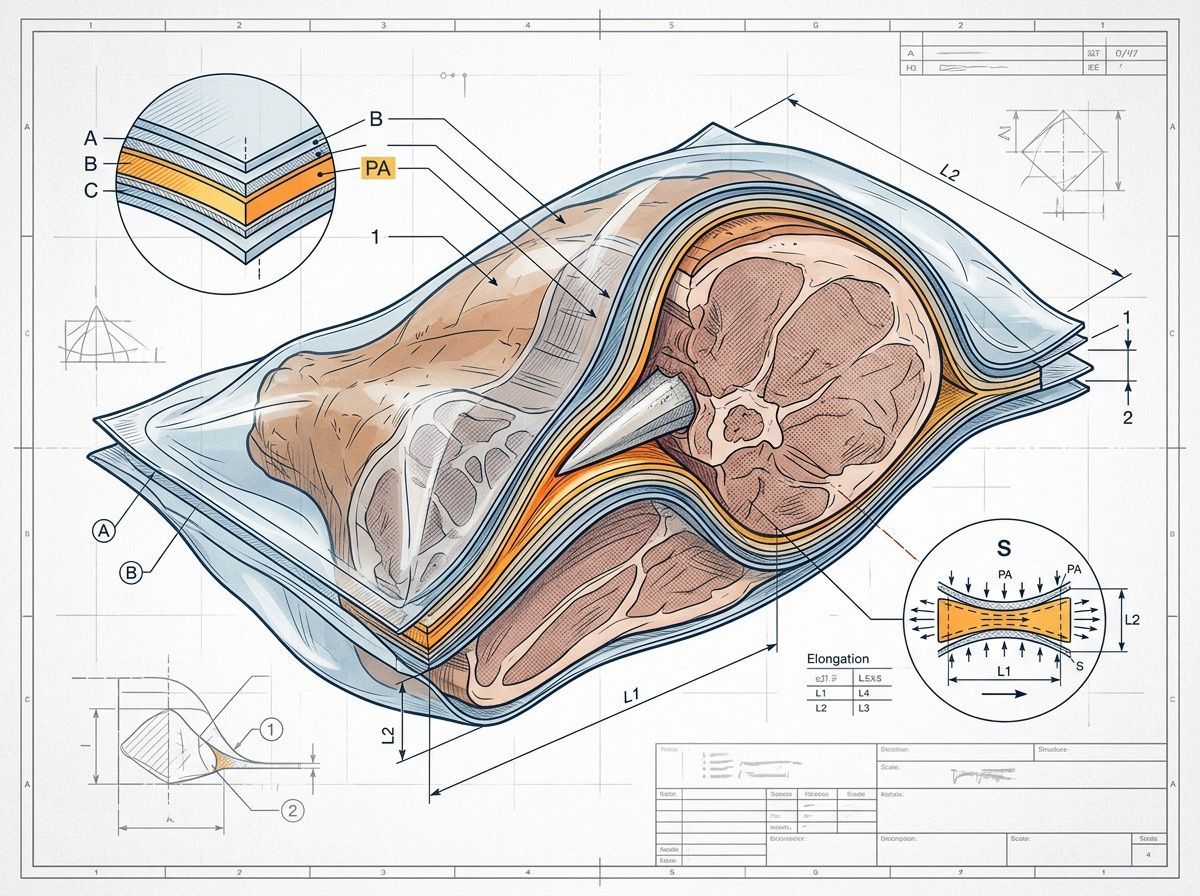
Deli products are rarely uniform in shape. Bone-in hams, ribs, and coarsely textured smoked meats present sharp edges and irregular geometries that can easily pierce standard packaging. This is where the inclusion of Polyamide (PA), commonly known as Nylon, becomes necessary in the construction of puncture-resistant multi-layer deli pouch solutions.
The Nylon (PA) Advantage: Tensile Strength and Ductility
Nylon is integrated into the laminate structure (often as PET/PA/PE or PA/PE) to provide mechanical toughness. Unlike PET, which is stiff, or PE, which is soft, PA possesses high tensile strength combined with significant elongation capability. When a sharp bone presses against the film, the PA layer can stretch and absorb the energy of the point-load without rupturing.
The molecular orientation of PA allows it to act as a structural shock absorber for the package. This is critical during the vacuum-sealing process. When air is evacuated, the film is pulled tightly against the food. If there is a sharp protrusion, the vacuum pressure creates a high-stress concentration at that point. A film without a PA layer will frequently develop pinholes during this stage.
Mechanical Integrity for Heavy and Irregular Products
Pinholing is an insidious failure mode in food logistics. A pinhole is a microscopic breach caused by friction or puncture during transport. In industrial shipping, bags of deli meat are stacked and subjected to constant vibration. This vibratory abrasion can cause the food’s texture to wear through the inner layers of the film.
By utilizing a multi-layer structure with a dedicated PA core, engineers can ensure Flex-Crack Resistance. This property measures the film’s ability to withstand repeated folding and stress without the barrier layer cracking. For procurement managers, specifying a PA-reinforced bag for heavy or bone-in products is a strategic move to reduce the return rate caused by transit-related vacuum loss.
Tensile Strength and Tear Resistance Specifications
Technical buyers must distinguish between puncture resistance and tear resistance. Puncture resistance refers to the force required for a sharp object to penetrate the film (measured in Newtons or Pounds-force). Tear resistance, or tear propagation, refers to how easily a small nick or cut will turn into a total failure.
In the deli industry, requirements often include high puncture resistance but controlled tear resistance for the end-user. This is achieved through linear tear technology or laser-scoring on the outer PET layer, while the inner PA and PE layers maintain the bag’s overall strength. This engineering ensures that the bag is tough enough to survive a 1-meter drop test in a warehouse but can still be opened easily.
Symmetric vs. Asymmetric Structures in Lamination
The placement of the PA layer matters. In a symmetric structure, the PA is centered, providing balanced protection. However, in some heavy-duty deli applications, an asymmetric structure is used where a thicker PA layer is placed closer to the food-contact side to maximize puncture protection. The trade-off is curling—asymmetric films may curl during the heat-sealing process due to different thermal expansion rates of the layers. Managing this requires control of the tension and temperature during the lamination and pouch-making process.
Thermal Stability and Grease Resistance for Hot-Filled Braised Products
Braised meats, often cooked in soy-based sauces or oil-rich broths, represent a specific sub-category of deli food that requires specialized aluminum foil high-barrier vacuum bag technology. The presence of hot fats creates a chemical and thermal environment that standard food bags cannot survive.
CPP vs. PE Sealants: The High-Temperature Choice
The innermost layer of a flexible pouch, the sealant layer, determines the bag’s ability to close and its resistance to heat. While Polyethylene (PE) is a common sealant due to its low sealing temperature, it often fails in hot-filling or “retort-lite” scenarios.
Cast Polypropylene (CPP) is the preferred alternative for professional braised meat packaging. CPP has a higher melting point than PE (approximately 160C vs. 105-120C). This higher thermal threshold means that even when the food is filled at 90C, the CPP layer maintains its structural modulus. It does not become gummy or lose its ability to hold a seal.
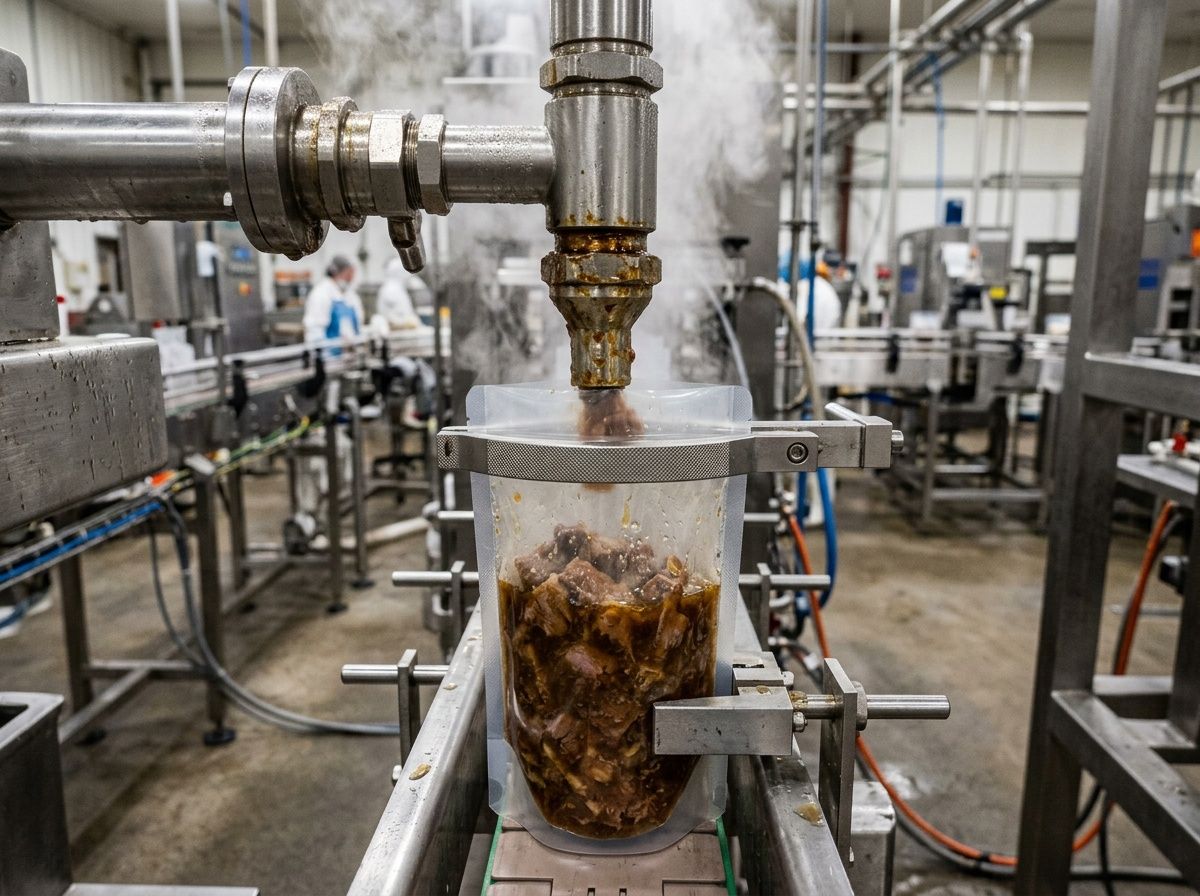
Furthermore, CPP is naturally more resistant to chemical attack from animal fats, which can act as plasticizers in PE, making it soft and prone to rupture.
The Grease Barrier Effect and Seal Contamination
A common failure in industrial deli packing is seal failure due to contamination. During high-speed filling, splashes of sauce or oil often land on the seal area. Most standard films cannot seal through this grease; the oil prevents the two polymer surfaces from fusing, leading to a weak bond.
Advanced deli-grade sealant layers are engineered with specialized resins (such as metallocene-catalyzed PE or specific CPP blends) that have caulkability. This means the molten polymer has a low enough viscosity to flow around and displace the grease during the heat-sealing process, ensuring a hermetic seal even in imperfect conditions. This technology is vital for maintaining a high First Pass Yield in automated packaging lines.
Seal Integrity under Thermal Stress: Hot Tack Performance
Hot Tack is the ability of the heat seal to hold together while it is still hot. In a vertical form-fill-seal (VFFS) machine, the product is dropped into the bag immediately after the bottom seal is made. If the Hot Tack is low, the weight of the braised meat will pull the hot seal apart.
For high-volume deli suppliers, specifying a high Hot Tack material is a matter of operational efficiency. It allows for faster machine speeds and reduces the cooling time required before the bags can be boxed and shipped. Without this property, production lines must run slower, and the risk of leakers at the bottom seal increases significantly.
Animal Fat Migration and Adhesive Choice
The grease resistance must extend beyond the sealant layer. In a multi-layer bag, the oils can permeate into the film. If the adhesive used for lamination is not aliphatic or specifically rated for high-fat contact, the oils will cause the layers to separate. This delamination destroys the oxygen barrier (especially if using EVOH or metalized layers) because once the layers separate, the protective sandwich effect is lost. Professional-grade deli bags use solvent-less or high-solids adhesives designed to be chemically inert when in contact with the complex fats found in roasted and braised meats.
Optimizing Shelf Life with Vacuum Packaging for Deli Meats and MAP
The primary goal of high-barrier vacuum sealing category is the extension of shelf life. In the deli industry, this is achieved by controlling the atmospheric environment inside the package to inhibit aerobic microbial growth and enzymatic degradation.
Oxygen Exclusion: The Physics of Vacuum Sealing
Vacuum packaging works by removing atmospheric air. By collapsing the film tightly around the deli meat, the headspace is eliminated. This is effective because most common spoilage bacteria are obligate aerobes—they require O2 to survive and multiply.
When the O2 concentration is reduced to below 1%, the growth rate of these bacteria drops. However, vacuum sealing alone is not always the solution for all deli items. A hard vacuum can crush delicate sliced meats or squeeze moisture out of soft cheeses. In these cases, the vacuum pressure must be adjusted, or a transition to MAP is required.
Modified Atmosphere Packaging (MAP) and Gas Flushing
MAP is an approach for sensitive deli products. Instead of just removing air, the bag is flushed with a specific gas mixture before sealing.
- CO2 (Carbon Dioxide): Typically used at concentrations of 20-40%. CO2 dissolves into the water and fat phases of the meat, forming carbonic acid, which lowers the surface pH and inhibits the growth of mold and aerobic bacteria.
- N2 (Nitrogen): An inert filler gas. N2 does not react with the food but is used to prevent the package from collapsing. This maintains the looseness of sliced deli meats, making them more attractive for retail display.
The success of MAP depends on the bag’s ability to retain these gases. If the CO2 leaks out or O2 leaks in, the microbial inhibition fails. This is why high-barrier films with specific OTR and CO2TR (CO2 Transmission Rate) specifications are necessary for MAP applications.
| Storage Method | Typical Protection Level | Spoilage Mechanism Inhibited | Best For |
|---|---|---|---|
| Open Air Display | None | None | Same-day consumption. |
| Standard Poly Bag | Low | Moisture loss only. | Low-fat, short-term storage. |
| High-Barrier Vacuum Pouch | High | Oxidation & Aerobic Bacteria. | Whole hams, braised meats. |
| MAP (N2/CO2 Flush) | Very High | Oxidation, Bacteria, & Crushing. | Sliced meats, delicate cheeses. |
Inhibiting Rancidity and Color Preservation
In processed deli meats like salami or bologna, color is a primary indicator of freshness. The pink/red color of cured meat is due to nitrosylmyoglobin. When exposed to O2 and light, this pigment oxidizes into metmyoglobin, which is grey or brown.
High-barrier vacuum bags, especially those with UV-blocking additives in the outer PET layer, slow down this discoloration. By keeping the O2 levels near zero, the chemical state of the meat pigments remains stable for extended periods. For procurement departments, this leads to fewer markdowns on short-dated products and a consistent visual standard.
Resealable Mechanisms and Post-Opening Integrity
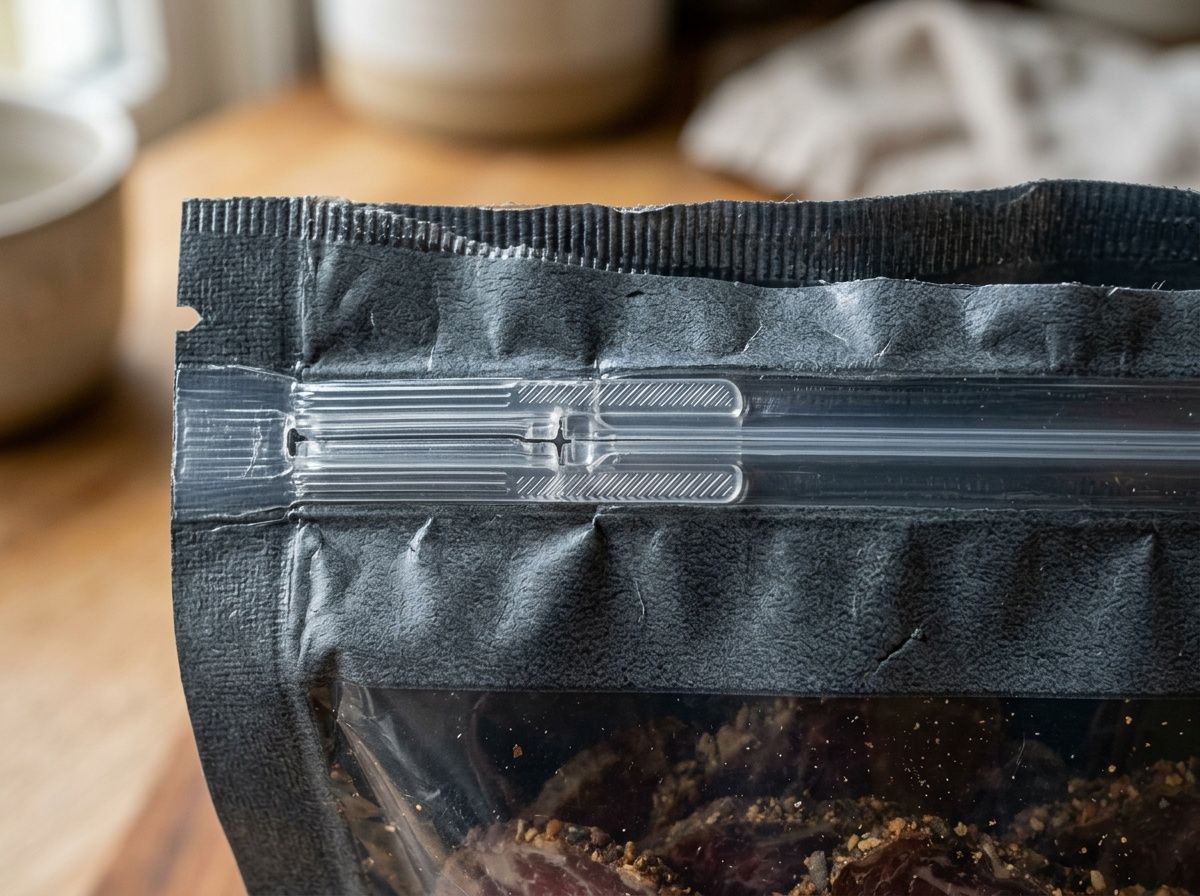
Professional deli packaging often includes resealable features such as press-to-close zippers or sliders. While the primary barrier is broken by the consumer, the resealable feature prevents secondary contamination. Once a bag is opened, the food is exposed to the varied microbial environment of a household kitchen. A high-quality zipper allows the consumer to expel excess air and re-close the bag, slowing down the drying and oxidation process for the remaining contents. For B2B suppliers, offering resealable deli packaging is a value-add that enhances the user experience and reinforces food safety standards.
Engineering the Specification: Selecting Deli Food Flexible Packaging for Professional Retail
Selecting the right packaging involves engineering a specification that balances protection, cost, and retail performance. For a procurement manager, the goal is to optimize the Total Cost of Ownership (TCO).
Visibility vs. Protection: The Trade-off Decision
A frequent debate in deli packaging is the visibility vs. barrier trade-off. Consumers often require transparency, but O2 and light are best blocked by opaque materials like Aluminum foil.
- Solution A: One-Side Clear / One-Side Foil. A compromise where the foil back provides a strong barrier and structural support, while the clear front allows for product inspection.
- Solution B: Clear Windows. Laser-cut windows in a foil laminate allow for visibility without sacrificing the integrity of the rest of the pouch.
- Solution C: High-Barrier Clear Films. Using EVOH instead of AL allows for a transparent bag with a high oxygen barrier, though it is generally more sensitive to extreme humidity.
Total Cost of Ownership (TCO) and Waste Reduction
In a B2B context, the unit price of a bag is often less important than the in-use cost. A low-barrier bag might cost less initially, but if it results in increased food spoilage or a leaker rate during shipping, the total cost exceeds the savings.
Investing in a 4-layer laminate with PA and CPP is a risk-mitigation strategy. By reducing the frequency of retail returns and the labor costs associated with re-packaging, high-performance films provide a higher Return on Investment (ROI). Furthermore, reduced food waste is increasingly a regulatory requirement, making high-barrier packaging a component of corporate sustainability goals.
Criteria for Industrial-Grade Material Selection: An Engineering Checklist
When evaluating a supplier for deli food flexible packaging, technical teams should use a rigorous checklist to ensure the material is fit for purpose:
- Thermal Range: Does the sealant layer support the maximum filling temperature of the products?
- Puncture Rating: Has the film been tested against the specific geometry of the product?
- OTR and WVTR Targets: Are the barrier levels sufficient for the target shelf life?
- Grease Compatibility: Has the adhesive been rated for high-fat meat contact to prevent delamination?
- Food Grade Compliance: Does the material meet safety standards for the specific target market?
- Machinery Compatibility: Is the film’s Coefficient of Friction (COF) optimized for the sealing equipment?
Aesthetic Performance in High-Volume Retail
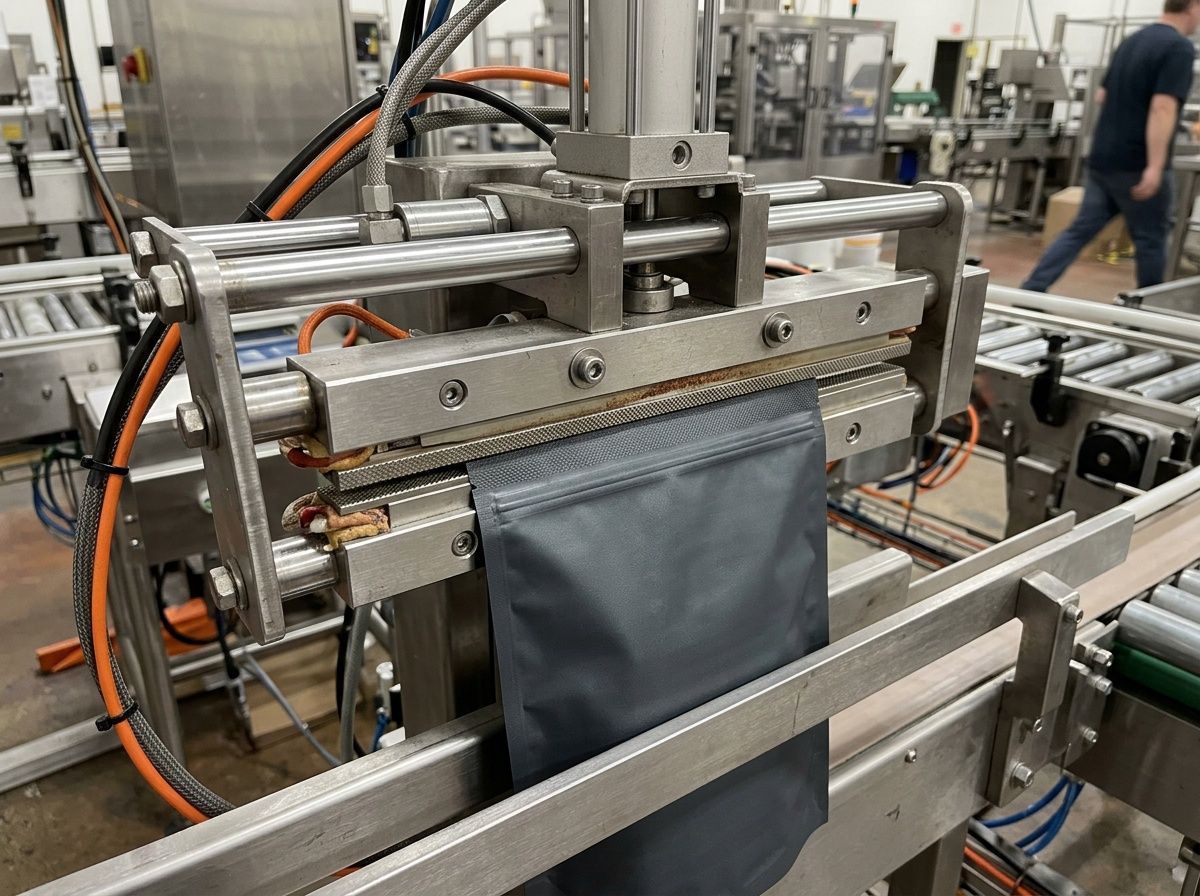
Packaging must perform on the shelf. Features such as Stand-Up gussets allow for better vertical display, maximizing shelf space. Matte finishes can provide a premium appearance, while high-gloss PET makes colors more vibrant. These aesthetic choices must not compromise the functional barrier. A matte finish must be heat-resistant so that it does not smudge when contacting the sealing bars of the industrial packaging machine.
By following this engineering-first approach, deli food producers can implement a protection system that ensures food safety, preserves flavor, and optimizes the efficiency of the professional retail supply chain.
Conclusion
Selecting flexible packaging for professional deli retail requires a precise calibration of barrier performance, thermal stability, and mechanical toughness. Engineering multi-layer laminates with PET, Polyamide, and Cast Polypropylene is essential to manage lipid oxidation and moisture migration while preventing structural failures like seal creep during hot-filling. For procurement and production managers, these technical specifications determine shelf-life stability and the reduction of losses associated with leakers and spoilage. Prioritizing high-barrier materials and puncture-resistant structures optimizes the total cost of ownership across the supply chain. To discuss specific barrier requirements for a product line, consult the technical specialists.


0 Comments