
Key Takeaways
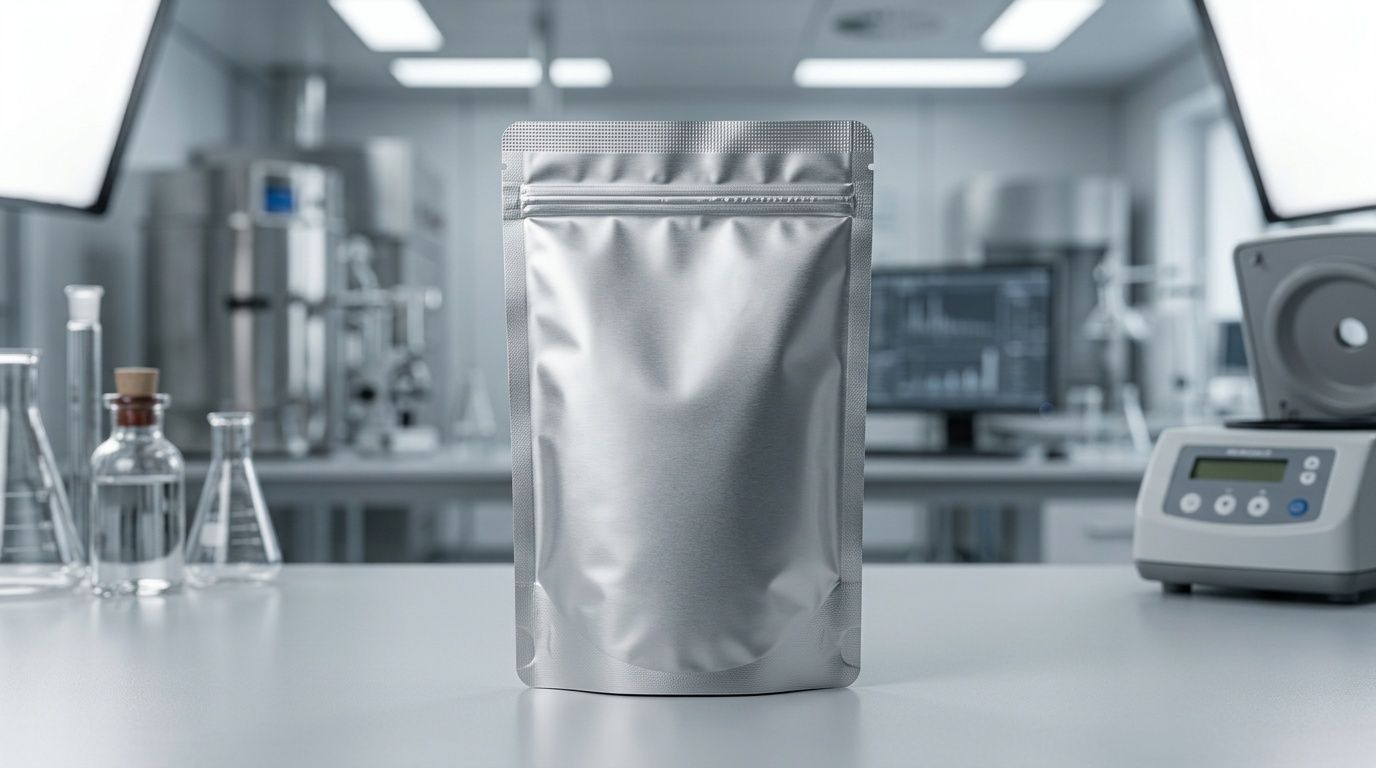
- Eliminating Packaging Delamination: Achieving 30% deeper glue penetration is the primary defense against packaging delamination during the high-pressure 121°C sterilization packaging process.
- Post-Sterilization Reliability: A professional retort pouch manufacturer ensures post-heating peel strength remains above 95% to consistently pass the rigorous drop test standard for packaging.
- Advanced Chemical Safety: Utilizing solvent-free lamination eliminates chemical migration risks, ensuring your products meet the strict requirements for baby food packaging safety and compliance.
- Structural Engineering for Loads: Applying retort-grade bonding technology to heavy-duty pet food bags prevents seam failure under extreme vertical pressure and logistical handling.
Read on to discover how these technical benchmarks redefine packaging safety.
Introduction
For global food brands, the 121°C sterilization packaging process represents the ultimate stress test for any flexible container. A single failure—whether it is packaging delamination during the retort phase or a burst seam on the retail shelf—results in more than just a lost batch; it risks expensive product recalls and lasting brand erosion. While many suppliers focus on surface aesthetics, the technical reality is that standard bonding often fails when subjected to the extreme thermal expansion and high-pressure environments required for shelf-stable proteins and prepared meals.
As demonstrated in our recent destructive testing video, the technical foundation of structural integrity lies in the microscopic depth of the bond. Our demonstration shows how achieving 30% deeper glue penetration allows a three-layer composite to survive a 20kg vertical drop test standard for packaging from a height of three meters. This level of impact resistance is not accidental; it is the result of precision engineering that locks the aluminum and plastic layers together to prevent the common pitfalls of air leakage and pouch bloating after high-heat processing.
Choosing a specialized retort pouch manufacturer is critical for navigating the trade-offs between barrier performance and chemical compliance. By implementing solvent-free lamination, production lines can eliminate migration risks to meet the stringent criteria for baby food packaging safety while maintaining the ruggedness needed for heavy-duty pet food bags. This guide examines the technical benchmarks of superior lamination and explains how advanced corona treatment and polyurethane bonding protocols create the structural reinforcement necessary for high-performance packaging.
In many processing facilities, catastrophic failure in the supply chain is often marked by bloated, cloudy pouches. During the cooling cycle of a 121°C retort process, the aluminum foil layer can separate from the Nylon. This is packaging delamination at its most expensive. The adhesive, under the combination of heat and moisture, undergoes hydrolysis, causing the bond to fail. For a brand, this is a logistical nightmare that can cost hundreds of thousands of dollars in recalls.
This failure usually traces back to a single invisible metric: the depth of glue penetration. Lamination involves a complex molecular entanglement. If the adhesive only sits on the surface of the film, it will fail when the 121°C sterilization packaging is subjected to the physics of a pressurized steam environment. At Yun Sealoong, our engineering team has found that a 30% deeper penetration into the microscopic pores of the film is the only way to ensure structural integrity. It is the difference between a pouch that survives the retort and one that becomes a liability.
The Thermodynamics of Failure: Why 121°C is the “Death Zone” for Standard Laminates
The Coefficient of Expansion Mismatch in Multi-layer Films
When engineering a high temperature retort pouch, you are working with a sandwich of materials: PET (Polyethylene Terephthalate) for printing, Aluminum Foil for the barrier, BOPA (Nylon) for puncture resistance, and RCPP (Retort Cast Polypropylene) for the heat-seal layer.
At 121°C, these materials do not expand at the same rate. PET expands slightly, Aluminum expands more, and RCPP expands significantly. This creates massive interfacial shear stress. If the adhesive layer is thin or hasn’t penetrated the polymer chains of the RCPP, the layers will slide against each other, tearing the molecular bonds of the glue and leading to visual tunneling or “ghosting.”
The “Internal Pressure Bomb” Effect
Inside a retort chamber, internal pressure also attacks the bag. Moisture in ready-to-eat meals becomes steam at 121°C. While the retort machine uses over-pressure to stabilize the bags, the pressure differential is never perfectly zero.
The pouch effectively becomes a pressurized vessel. Air trapped in the headspace expands against side seals and laminated layers. Any microscopic void in the adhesive layer becomes a starting point for a rupture. A retort pouch manufacturer must focus on the “wetting” process; if the glue does not fully wet the surface, tiny air pockets expand under 1.2 bars of pressure and rip the laminate apart.
Why 100°C “Boil-in-Bag” Logic Fails in Retort Environments
Standard boilable bags are unsuitable for retort. The jump from 100°C to 121°C is a logarithmic increase in stress. At 121°C, the RCPP layer nears its softening point and polymer chains become mobile.
If you use a standard polyurethane adhesive designed for boiling, the heat will trigger a chemical reversal. The glue softens, and the expansion mismatch pulls it apart. Structural failure occurs because the crystalline structure of the RCPP changes. For these applications, specialized flexible food packaging solutions are required.
Mapping the “Stress Point” Data
The Aluminum layer is usually the first to delaminate due to its non-porous nature and high thermal conductivity.
| Material | Thermal Expansion Coeff. (α) | Stress at 121°C (MPa) | Risk Factor |
|---|---|---|---|
| PET (Outer) | 20-30 | 12.5 | Low |
| Aluminum Foil | 23 | 45.8 | High (Delamination) |
| BOPA (Nylon) | 70-80 | 28.2 | Moderate |
| RCPP (Inner) | 150-200 | 85.4 | Extreme (Expansion) |
The gap between the expansion of Aluminum and RCPP is where 90% of failures occur. The glue must bridge an 85.4 MPa stress point to prevent failure.
The 30% Penetration Rule: Precision Engineering of the “Interfacial Transition Zone”
High-Frequency Corona Treatment: Opening the Pores
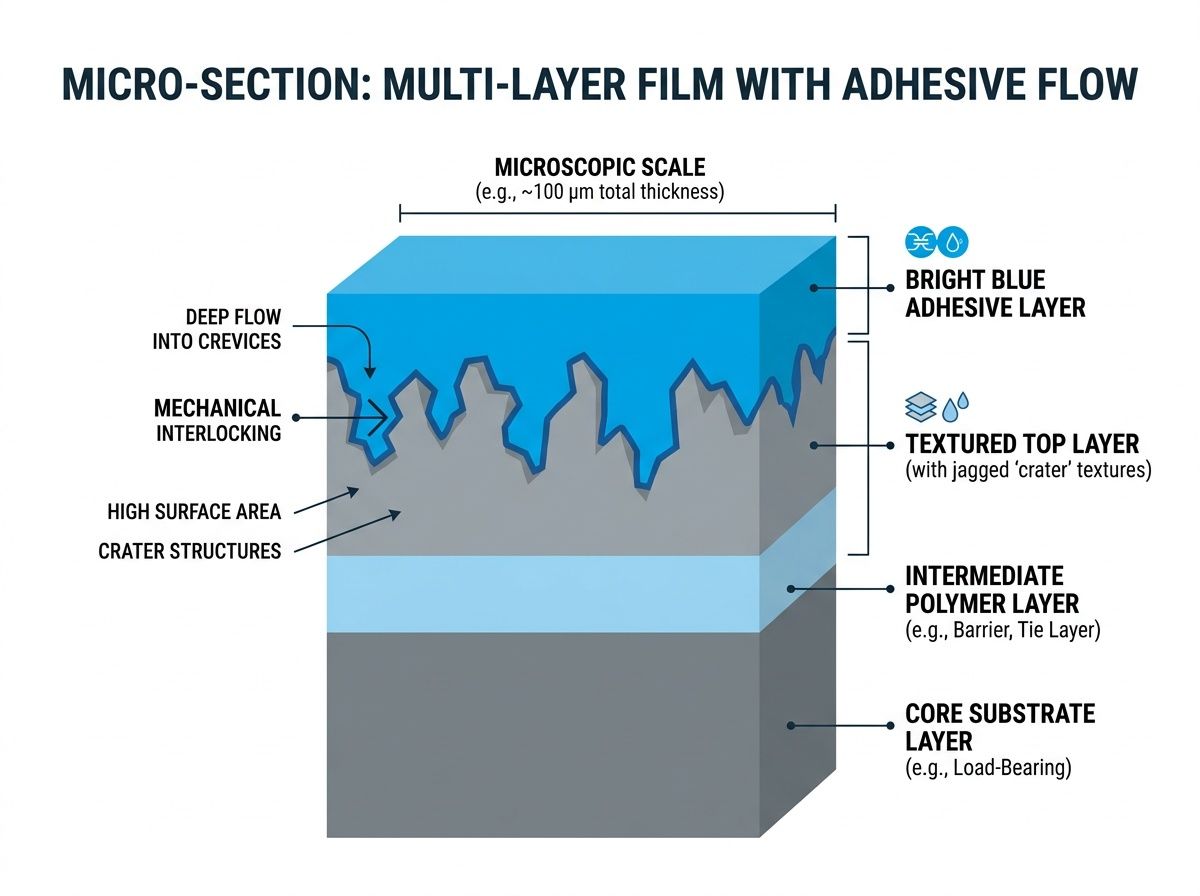
Plastic is naturally non-stick at a molecular level. High-frequency Corona treatment—a high-voltage discharge—is used to create microscopic valleys in the film surface. For a high temperature retort pouch, the surface energy must be above 42 Dynes. We utilize double-pass Corona treatment to ensure the adhesive can dive deep into those craters, increasing the contact surface area by 30%.
Low-Viscosity High-Solid Adhesives
High-solid adhesives provide bond strength but can be too thick to flow into microscopic valleys. We use specialized low-viscosity, high-solid formulations that “wick” into the film pores before the solvent evaporates. If the glue is too viscous, it creates a “bridge” over the valleys, leaving air gaps that lead to delamination.
The Role of Secondary Curing
Achieving 30% deeper penetration requires a longer stay in the maturation room. After lamination, films are kept at 45°C to 50°C for 3 to 7 days. This allows the polyurethane molecules to cross-link and anchor themselves deep within the RCPP and Nylon layers, creating an internal reinforcement. Rushing this process compromises the safety of the final product.
Quantifying “Depth” in Bonding
We use cross-sectional microscopy to verify adhesive migration into the substrate.
| Parameter | Standard Pouch | Yun Sealoong High-Performance | Impact on Quality |
|---|---|---|---|
| Corona Surface Energy | 38 Dynes | 44+ Dynes | Higher bond potential |
| Glue Penetration Depth | 2-3 Microns | 4.5-6 Microns | 2x Resistance to heat |
| Residual Solvent | <2.0 mg/㎡ | <0.5 mg/㎡ | Zero odor / Baby safe |
| Bond Strength (Initial) | 8 N/15mm | 11 N/15mm | Higher safety margin |
Eliminating Packaging Delamination: The Chemistry of Radical Resistance
Hidden Delamination in Ready-to-Eat Meals
“Silent delamination” occurs when fats or acids from the food migrate through the RCPP layer and attack the adhesive. This can result in cloudy patches appearing weeks after the retort process. We test specifically for ready-to-eat meal packaging by using the actual product to ensure food chemistry does not compromise the bag’s structural integrity.
Acid-Resistance: When Food Chemistry Attacks the Pouch
Tomato-based sauces and spicy curries contain volatile organic acids that become aggressive at 121°C. Standard glues can have their polymer chains broken by these acids. A professional retort pouch manufacturer must use acid-resistant adhesive grades to prevent the bag from delaminating on the shelf.
Aluminum Foil “Locking” Technology
Aluminum has zero porosity and is difficult to bond. We use a specific chemical coupling agent in the adhesive that forms a covalent bond with the aluminum oxide layer on the foil surface. When combined with 30% deeper penetration on the plastic side, the bond often becomes stronger than the film itself, which is the gold standard for aluminum foil retort packaging.
Benchmarking Post-Retort Integrity
“Initial Peel Strength” is secondary to “Residual Peel Strength.” We aim for ≥95% retention of strength after the retort process. If a bag starts at 10N, it must stay above 9.5N to guarantee integrity during logistics and handling.
The Math of Reliability: Achieving 95% Peel Strength Retention
Defining the 95% Retention Standard
Commodity bags can lose 40% of their strength during sterilization. By increasing cross-linking density in our adhesives, we minimize structural decay. This is critical during the cooling cycle, where internal pouch pressure is significantly higher than chamber pressure.
Calculating the “Burst Margin”
A standard 150x200mm retort pouch with a seal strength of 50N/15mm has a safety margin about 3x the expected pressure. However, delamination reduces burst resistance to zero at the point of separation, leading to a “zipper effect” where the seal opens instantly.
The Drop Test Standard for Packaging: 20kg at 3 Meters
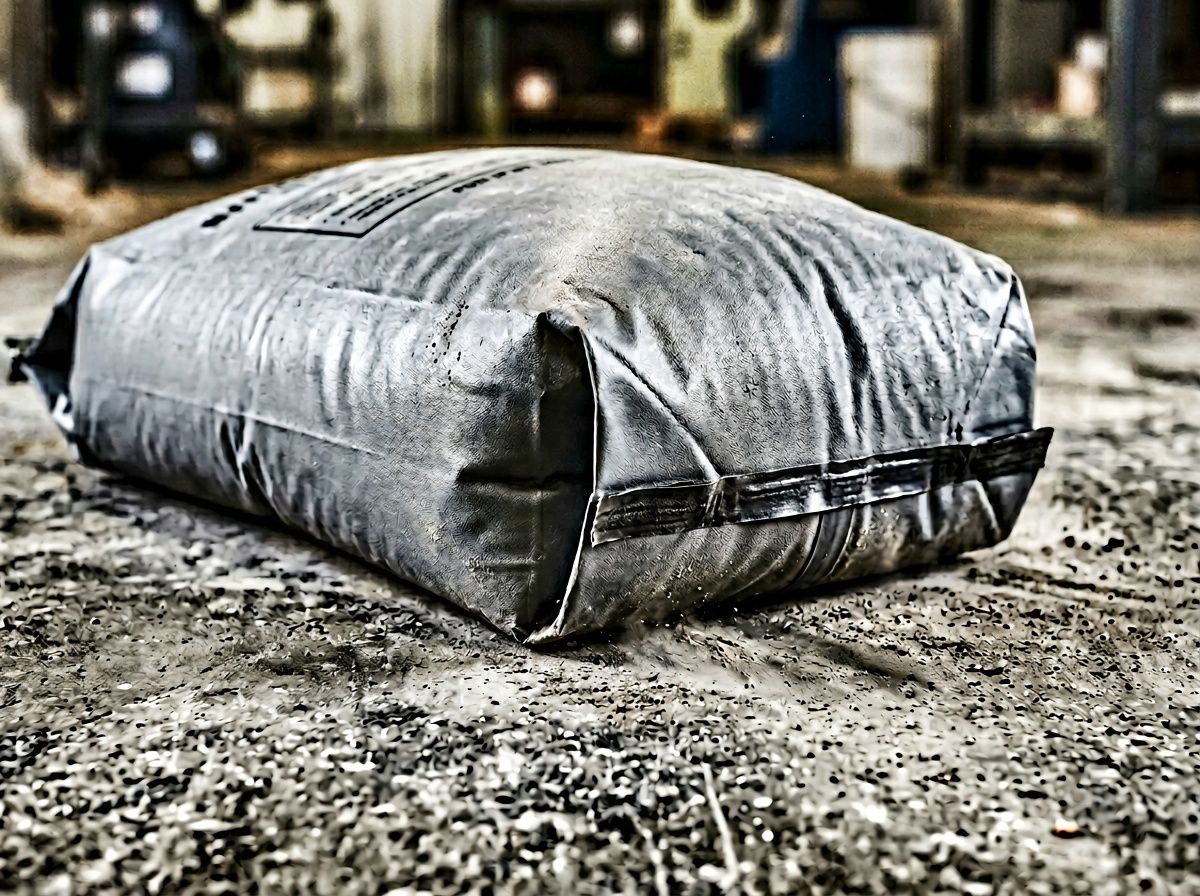
To simulate real-world warehouse conditions, we fill functional bags with 20kg of weight and drop them from 3 meters. If the glue penetration isn’t deep enough, the shockwave of the impact will cause the RCPP to de-bond from the Nylon layer at the gusset.
Statistical Process Control (SPC) for Batch Consistency
We use the CpK index (Process Capability Index) to track peel strength.
| Structure | Pre-Retort Peel (N/15mm) | Post-Retort Peel (N/15mm) | Retention % |
|---|---|---|---|
| NY/RCPP (Standard) | 7.2 | 4.1 | 56% (Fail) |
| PET/AL/RCPP (Yun) | 10.5 | 10.1 | 96% (Pass) |
| PET/NY/RCPP (Yun) | 9.8 | 9.4 | 96% (Pass) |
Solvent-Free Lamination: The Invisible Barrier for Baby Food Safety
The Science of Migration
Heat at 121°C accelerates the movement of unreacted molecules, such as residual solvents or Primary Aromatic Amines (PAA), from the adhesive into the food. For retort spout pouch for baby food, this is a non-negotiable safety risk.
Zero-Solvent Technology (SL) vs. Dry Lamination
Dry lamination can leave residual Ethyl Acetate. We utilize Solvent-less (SL) Lamination, applying 100% solids adhesives using a heated roller system. This results in solvent residue levels below 0.5mg/㎡, ensuring the cleanest possible packaging environment.
Compliance with Baby Food Packaging Safety Standards
We perform “Overall Migration” tests using food simulants at 121°C to comply with FDA and EU 10/2011 regulations. Detailed technical audits and lab reports are available on our about our factory page.
Sensory Neutrality
Thermal degradation of poor adhesives can release odors, causing the product to taste like plastic. Our 30% deeper penetration ensures the glue is locked and stable, maintaining the original flavor of the food.
Structural Engineering for Heavy-Duty Loads: From Pet Food to Bulk Liquids
Vertical Pressure in Heavy-Duty Pet Food Bags
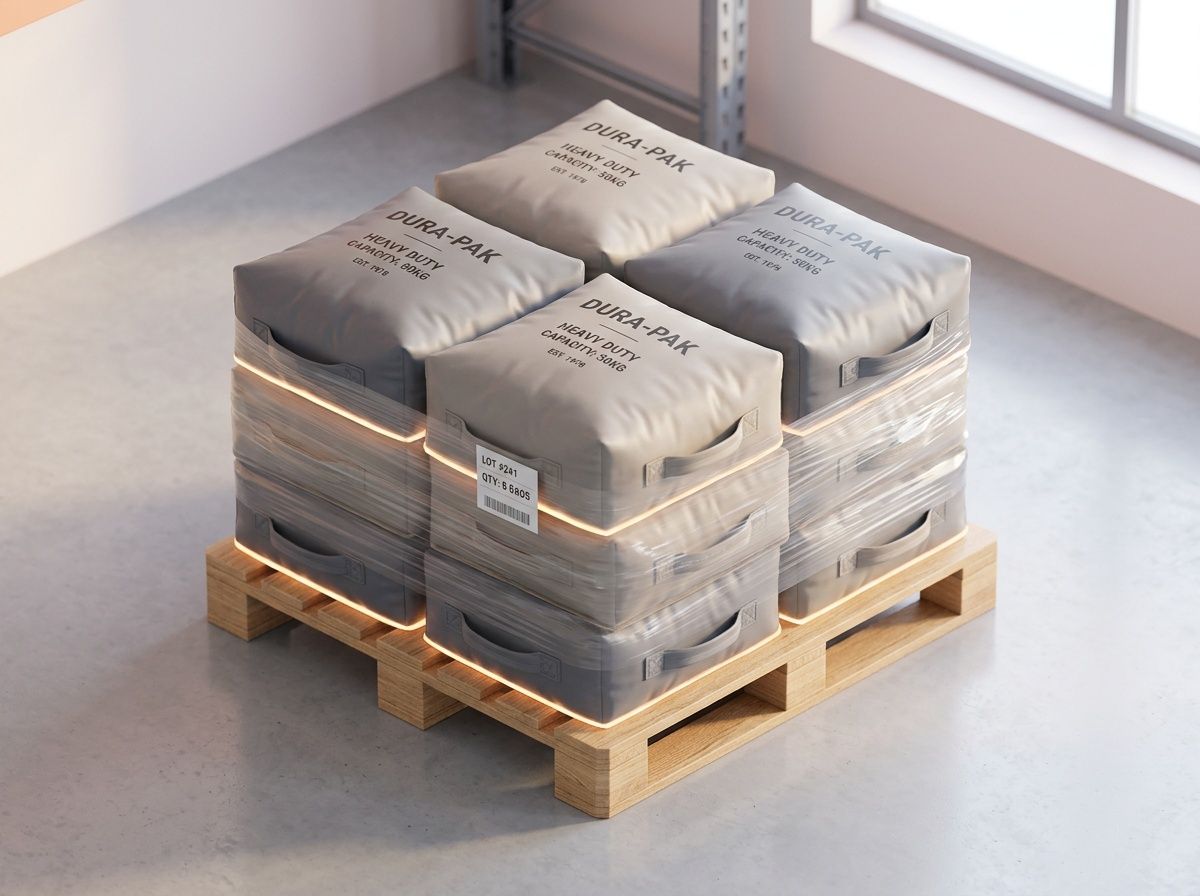
In 10kg to 15kg heavy-duty cat litter bags or pet food structures, vertical pressure in stacked pallets creates constant bursting pressure. We reinforce the bottom of these bags with higher adhesive coating weights and deeper penetration to prevent de-bonding during transport.
Reinforcing the Side-Gusset
The gusset is the most common point of failure. We use high-pressure thermal bars to ensure the glue and RCPP fuse into a monolithic structure at these four-layer junctions.
Anti-Skid and High-Tension Surfacing
We balance internal bond strength with external anti-skid coatings that provide grip for pallet stability without interfering with heat sealing at the edges.
Load Stress Simulation
| Test Type | Standard Specification | Yun Sealoong Result | Outcome |
|---|---|---|---|
| Vertical Load (Stacked) | 500kg for 24h | 850kg for 72h | Zero deformation |
| Vibration Test | 30 mins @ 2Hz | 120 mins @ 5Hz | No seal “creep” |
| Burst Pressure (Mylar) | 60 PSI | 95 PSI | 50% Safety margin |
The Destructive Testing Protocol: Validating the “Zero-Burst” Claim
Stage 1: The RDM Tension Test
We perform 180-degree pull tests. We aim for “Substrate Failure” (where the film rips), which proves the bond is stronger than the material itself.
Stage 2: The Internal Pressure (Burst) Test
Using a restrained plate burst tester, our retort-engineered structures typically hold up to 80-90 PSI, compared to the industry standard of 40-50 PSI. For specific analysis, you can request a technical quote.
Stage 3: The Retort Simulator
We run samples of every batch through a pilot-scale 121°C cycle and inspect for micro-delamination using UV-sensitive dye-penetrant tests. This is standard for vacuum bags and high-end food sectors.
Stage 4: The 20kg Drop Test Standard for Packaging
| Drop Height (m) | 15% Glue Penetration (Success Rate) | 30% Glue Penetration (Success Rate) | 40% Glue Penetration (Success Rate) |
|---|---|---|---|
| 1.0m | 98% | 100% | 100% |
| 2.0m | 75% | 100% | 100% |
| 3.0m | 40% | 99% | 100% |
Identifying a Specialized Retort Pouch Manufacturer: The Audit Checklist
Equipment Audit
Precision sealing requires high-tier equipment like Totani, which offers millisecond dwell-time control. This ensures the RCPP layers fuse without burning the PET outer layer.
The “Cost of Failure” Calculation
A 2% failure rate on a 100,000 pouch order can result in significant retail loss and brand damage. Investing in high-performance bonding is a cost-effective insurance policy.
Certification Verification
A reliable manufacturer should provide ISO 22000 and BRCGS certificates along with “Specific Migration” test results. Review our standards on the about our factory page.
Transparency in the Supply Chain
Every batch should include a Certificate of Analysis (COA) with data on peel strength, solvent residue, and Corona levels.
Conclusion
Successful high-temperature sterilization hinges on molecular precision. Achieving 30% deeper adhesive penetration and maintaining 95% post-retort peel strength are the benchmarks that prevent delamination and catastrophic failures at 121°C.
Yun Sealoong integrates high-frequency Corona treatments and solvent-less lamination to ensure every pouch exceeds global safety standards. We engineer structural integrity for the most demanding retort environments.
Ready to eliminate packaging failure and secure your supply chain? Contact our engineering team today for a custom barrier analysis or to request a high-performance sample kit.


0 Comments