
Key Takeaways
- Preventing Photo-Oxidation: Utilizing 99.9% light shielding film in high barrier flexible packaging prevents lipid oxidation in nuts, significantly extending retail shelf life and freshness.
- Bio-Hazard Mitigation: Advanced pest-resistant packaging and puncture-resistant layers prevent insect-driven inventory loss, a critical factor for securing long-term nut logistics and storage.
- Risk Management in Logistics: Implementing high barrier flexible packaging mitigates the financial impact of large-scale spoilage, protecting your brand from oxidation-related claims and logistical waste.
- Optimizing Barrier Properties: Precision control of WVTR and OTR through specialized food grade laminates ensures consistent nut texture and flavor profiles throughout the entire global supply chain.
Read on to discover how to safeguard your high-value nut inventory from logistics-related degradation.
Introduction
For global nut logistics providers, a single oversight in storage stability can trigger a severe operational risk: millions of dollars in inventory lost to oxidation and infestation. While standard films may offer basic protection, high-value bulk nuts require a more sophisticated defense to ensure rancidity prevention and long-term freshness. In an industry where quality equals brand equity, the gap between a successful shipment and a total loss often comes down to the microscopic performance of your material choices.
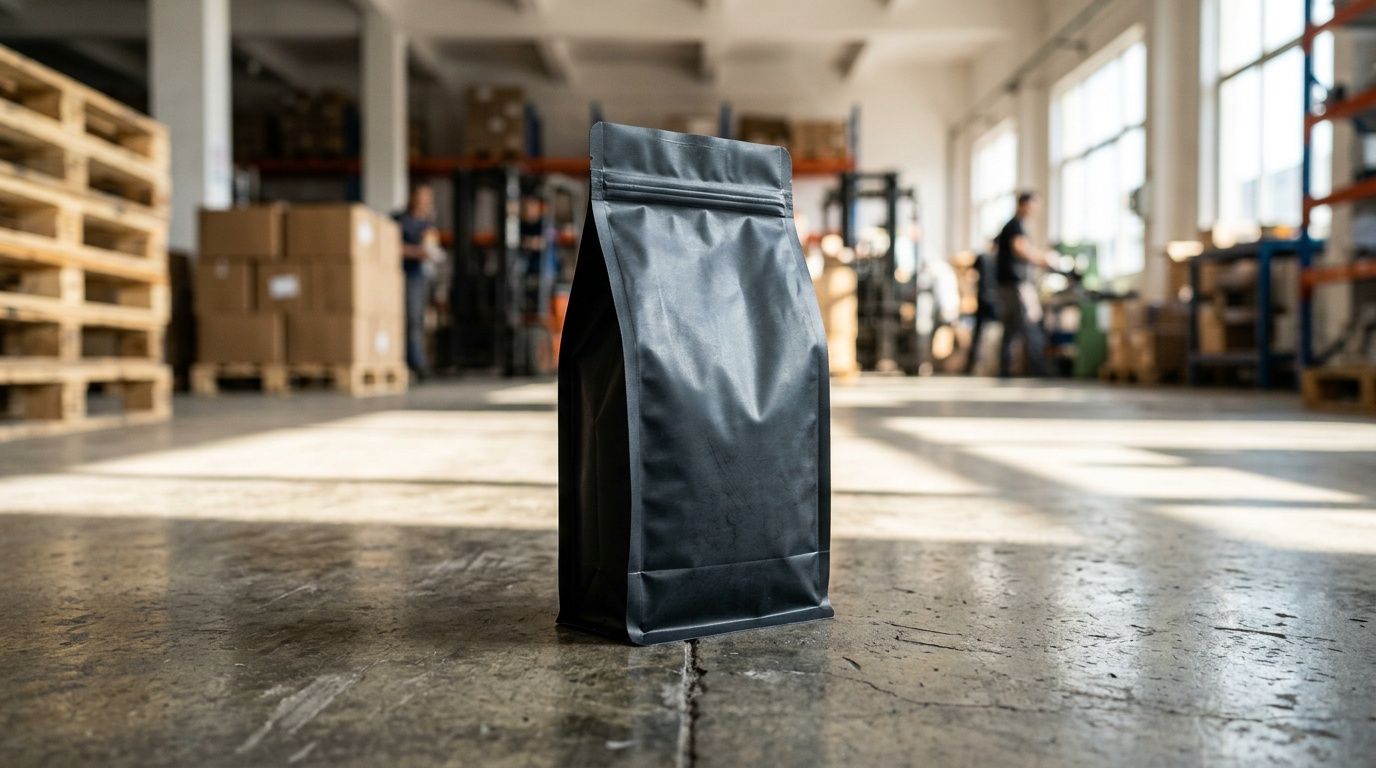
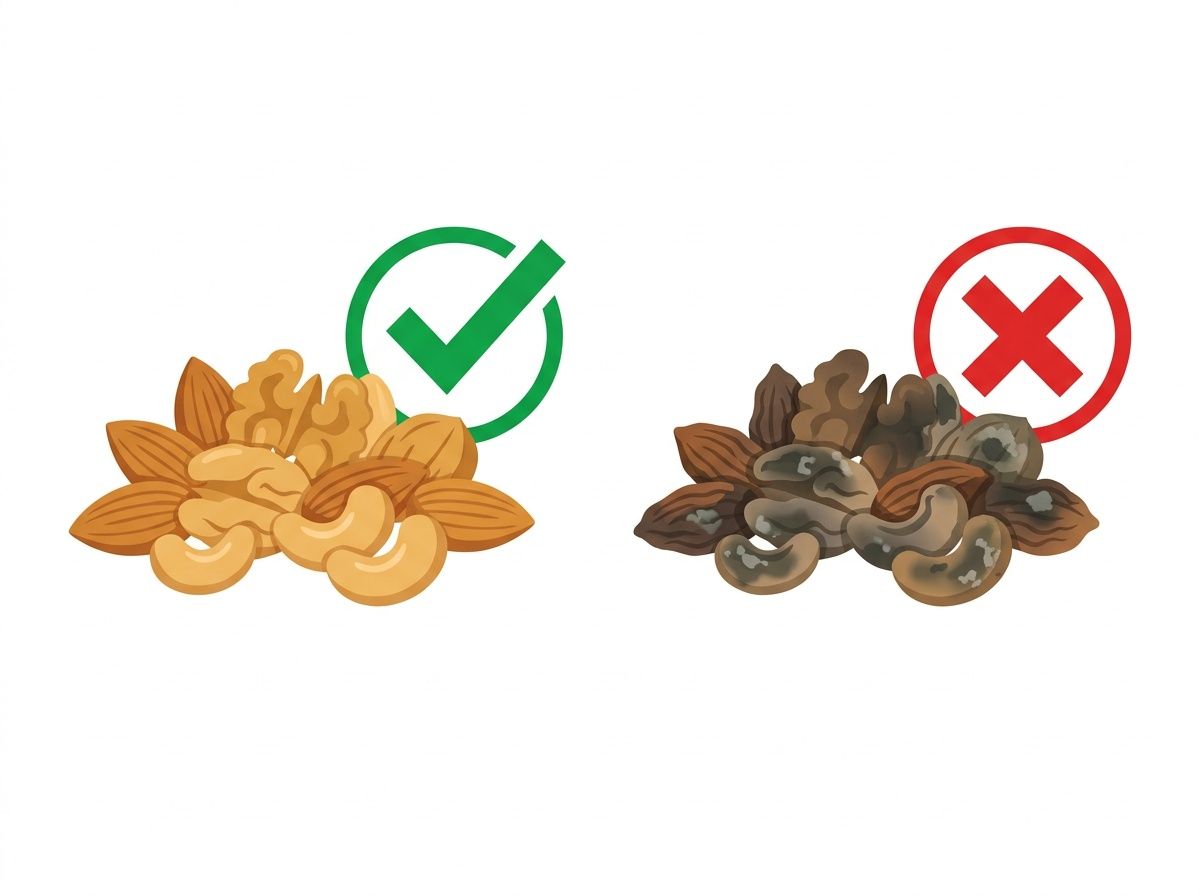
Our recent technical demonstration reveals the reality of inadequate storage while showcasing a definitive solution. As shown in the technical analysis, implementing high barrier flexible packaging with a 99.9% light shielding film can drastically reduce oil oxidation rates, effectively shielding products from the damaging effects of photo-oxidation. This level of protection is not just a preference; it is a necessity for maintaining a stable shelf life extension in unpredictable warehouse environments.
This article provides a deep dive into the engineering behind food grade laminates and how precise management of WVTR and OTR can safeguard your inventory. We will explore how combining an oxygen barrier film with specialized pest-resistant packaging creates a dual-layer defense against both chemical and biological threats. By mastering the nuances of moisture barrier packaging, your operation can achieve the same level of risk mitigation seen in our case studies, where brands successfully secured a 10-month freshness window while significantly optimizing their overall storage costs.
The port of Long Beach in mid-August presents a high-temperature environment. Inside a steel shipping container, temperatures can easily surge past 50°C. For a procurement manager awaiting twenty tons of premium macadamia nuts, this is a “Critical Thermal Exposure Zone.” I have seen shipments worth $2 million arrive at their destination exhibiting severe oxidative rancidity. In logistics, this is recognized as “cargo loss,” often resulting from a failure of material science.
When unsaturated fatty acids in nuts meet oxygen and light, they undergo rapid molecular degradation. Photons from light exposure hit the carbon-to-carbon double bonds, initiating a cascade of free radicals. Once this chain reaction starts, it is irreversible. You cannot remediate rancid nuts. The breakdown of the supply chain usually begins with a decision to minimize packaging specifications. That marginal saving often results in a rejected claim, a lost contract with Tier-1 retailers, and a warehouse full of oxidized inventory.
High barrier flexible packaging is the primary guardrail against this outcome. It is a multi-layered biological and chemical barrier designed to manipulate environmental variables. If you are handling high-lipid inventory like walnuts, cashews, or pecans, investing in high-performance packaging is an investment in product stability.
Photo-Oxidation Mechanics: Why Light is a Primary Degradation Factor
Light energy serves as a catalyst for lipid peroxidation in nut logistics. A common misconception is that “high barrier” only refers to gas permeation. However, even if a perfect vacuum seal is achieved, a film allowing 5% light transmission will lead to product rancidity.
The 99.9% light-proof flat bottom pouches we engineer are designed to block the entire UV and visible spectrum. Standard metallized films (VMPET) may appear opaque, but at a microscopic level, the aluminum deposit is often thin enough for photons to penetrate. For long-term storage, absolute opacity is required.
The Molecular Breakdown of Unsaturated Fats
The fats in nuts are predominantly unsaturated, containing double bonds susceptible to oxygen. Photon impact provides the activation energy needed for oxygen to bind, creating hydroperoxides. These hydroperoxides then break down into aldehydes and ketones, which produce characteristic off-odors.
By using a 99.9% light-shielding rate, we effectively arrest the “Primary Oxidation” phase. Factory tests demonstrate that in a 180-day stress test at 40°C, nuts stored in 99.9% shielding films maintained a Peroxide Value (POV) of under 0.2 meq/kg, while semi-transparent films saw POV levels spike to 5.0 meq/kg within 45 days.
| Wavelength (nm) | Light Source | POV Value (meq/kg) – 180 Days | Result |
|---|---|---|---|
| 200 – 400 (UV) | Direct Sunlight | 12.5 | Total Spoilage |
| 400 – 700 (Visible) | Fluorescent Warehouse | 4.8 | Off-Odor Detected |
| 200 – 700 (Shielded) | Yun Sealoong 99.9% AL Structure | 0.18 | Fresh / Marketable |
Professional Insight: Visual opacity does not guarantee a UV barrier. If a material allows the silhouette of an object to be seen through it under warehouse lighting, it is likely insufficient for high-lipid protection.
Opacity as a Functional Barrier
To reach the 99.9% threshold, a dedicated layer of pure Aluminum Foil (AL) or high-density carbon-black PE is required. In the Flexible Food Packaging sector, we differentiate between “aesthetic opacity” and “functional opacity.” While black-printed bags may appear dark, the ink is often transparent to UV rays. True functional opacity originates from the lattice structure of the metal or specific mineral additives in the film core.

Mastering the Dual Gatekeepers: OTR and WVTR Analysis
Material thickness is an insufficient metric for quality. High-performance 80-micron laminates often outperform 150-micron standard PE bags. The critical metrics for shelf-life extension are Oxygen Transmission Rate (OTR) and Water Vapor Transmission Rate (WVTR).
Calculating the Oxygen Transmission Budget
Oxygen is the primary driver of spoilage. For high-fat nuts, once a specific O2 permeation threshold is reached, the product degrades. Standard polyethylene (PE) bags typically have an OTR of approximately 2000 cc/m²/24h, which is insufficient for long-term storage.
For bulk storage, aluminum foil side gusset bags are recommended. These structures reduce the OTR to nearly zero, facilitating the use of Modified Atmosphere Packaging (MAP) by replacing internal oxygen with Nitrogen (N2).
The Impact of WVTR on Product Texture
Nuts are hygroscopic and readily absorb atmospheric moisture. When the moisture content of a nut rises from 3% to 5%, the texture becomes compromised. Furthermore, moisture creates a micro-environment conducive to Aspergillus flavus (mold) and aflatoxin production, posing a significant food safety risk.
| Material Structure | OTR (cc/m²/24h) | WVTR (g/m²/24h) | Estimated Shelf Life |
|---|---|---|---|
| Single Layer PE | 2500.0 | 5.0 | 2 Weeks |
| PET / PE | 50.0 | 2.5 | 3 Months |
| PET / VMPET / PE | 1.0 | 0.5 | 6-8 Months |
| PET / AL / BOPA / PE | < 0.01 | < 0.01 | 12-24 Months |
Technical Note: In the PET/AL/BOPA/PE structure, the BOPA (Nylon) layer is essential. It prevents the aluminum foil from suffering “flex-cracks” during handling, which would otherwise cause the OTR to increase significantly.
The Biological Fortress: Puncture Resistance and Larval Penetration
The Indian Meal Moth is a persistent threat in the nut industry; their larvae can penetrate standard plastic films. Infestations often originate from outside the packaging, even when bags appear sealed.
Engineering Against Larval Penetration
Pests are attracted to product odors leached through bags with high OTR or micro-leaks. Standard 2-layer laminates offer minimal resistance to larval penetration.
We utilize heavy-duty nylon in multi-layer structures specifically for its puncture resistance and density. BOPA creates a physical deterrent that larvae find difficult to penetrate. In high-risk environments, the packaging serves as a critical biological barrier.
Surviving Logistical Friction
Logistics involves significant physical stress. Bags are subjected to friction against wooden pallets and mechanical pressure during stacking. A micro-puncture will equalize the internal pressure of a Nitrogen-flushed bag rapidly. Our heavy-duty nylon layers are tested via ASTM D1709 (Dart Drop Test) to ensure structural integrity during transit.
Deconstructing the 4-Layer Architecture: Material Science
A 4-layer Matte BOPP/AL/PET/PE structure is the industry standard for high-value nut protection. Each layer performs a specific functional role.
Layer-by-Layer Functionality
- Outer Layer (Matte BOPP or PET): Provides resistance to scuffing and environmental factors. Matte BOPP is often selected for its lower coefficient of friction, facilitating smoother operation on high-speed packing lines.
- Core Shield (Aluminum Foil): A solid sheet of metal (7 to 9 microns) providing the 99.9% light barrier and gas barrier.
- Reinforcement (BOPA/Nylon): Provides mechanical strength and prevents flex-cracking of the aluminum foil, ensuring puncture resistance from both external and internal sources (e.g., sharp nut shells).
- Sealant Layer (LLDPE): A food-grade resin capable of creating a hermetic seal even in the presence of fine particles or oils in the seal area.
While 4-layer structures involve higher initial costs than 2-layer alternatives, they significantly reduce the risk of cargo loss for high-value shipments.
The Impact of Adhesives and Solvent Residuals
A critical quality factor in flexible packaging is the lamination process. Low-quality manufacturing often utilizes solvent-based lamination that, if incorrectly processed, leaves solvent residuals trapped between layers.
Managing Solvent Retention
High-fat products like nuts are highly absorbent of odors. If packaging has solvent residuals (such as Ethyl Acetate), the product may acquire chemical off-flavors. We utilize solvent-free lamination for all Functional Bags to ensure the organoleptic profile—the pure taste and aroma—of the nut is preserved.
Migration Testing and Compliance
With evolving regulations such as FDA (USA) and LFGB (Germany), compliance regarding chemical migration is mandatory. High-fat products are subject to rigorous scrutiny because they are prone to chemical absorption from packaging materials.
Operational ROI: The Spoilage Swap Formula
Total Cost of Ownership (TCO) is a more accurate KPI than Price Per Thousand (PPT).
The Spoilage Swap Formula
Calculation: (Cost of High-Barrier Bag – Cost of Standard Bag) vs. (Total Value of Shipment * Probability of Spoilage).
If a premium bag prevents a 5% spoilage rate on a $200,000 shipment, the investment yields a significant return by protecting the majority of the cargo value.
| Metric | Standard Packaging | Yun Sealoong High Barrier |
|---|---|---|
| Packaging Cost (per 20k units) | $3,000 | $5,000 |
| Estimated Spoilage Rate | 5.0% | 0.1% |
| Spoilage Loss (on $200k cargo) | $10,000 | $200 |
| Total Operational Cost | $13,000 | $5,200 |
This analysis excludes secondary costs such as reverse logistics for spoiled goods and industrial waste disposal fees.
Precision Integration: Optimizing the Packing Line
Effective packaging requires precise calibration of the packing line. 4-layer structures with aluminum foil require different settings than standard PE bags.
Seal Strength and Dwell Time
Aluminum foil acts as a heat sink. To ensure the inner PE layer melts correctly, dwell time and temperature must be optimized. Inadequate settings lead to “cold seals” that fail under pressure. We recommend temperatures of 180°C to 200°C and dwell times of 0.8 to 1.2 seconds for 4-layer structures.
Quality Control Standards
We employ vacuum chamber tests (Bubble Tests) and Burst Tests to ensure seal integrity, particularly at the “T-junction” where side gussets meet the bottom seal. For technical support regarding sealing integrity or material specifications, please Contact Us.
Warehousing and the Last Mile
High-barrier packaging should be used in conjunction with proper warehousing practices. Excessive pallet stacking height can cause “creep,” thinning the barrier layers over time. Maintaining warehouse temperatures below 25°C is essential, as higher temperatures accelerate chemical degradation regardless of packaging quality.
Conclusion
Protecting high-lipid inventory requires a scientifically engineered barrier rather than just increased material thickness. The difference between a marketable shipment and a total loss is determined by functional opacity—specifically a 99.9% light-shielding rate—and the precise OTR/WVTR control provided by 4-layer architectures.
At Yun Sealoong, we specialize in the custom manufacture of high-performance barriers designed for the rigors of global logistics. By integrating high-density aluminum foil and puncture-resistant nylon (BOPA), we ensure your inventory remains stable, effectively securing your shelf-life ROI.
Ready to eliminate oxidation risks and optimize your packaging line? Contact our engineering team today for a custom barrier analysis or to request a high-performance sample kit.


0 Comments