
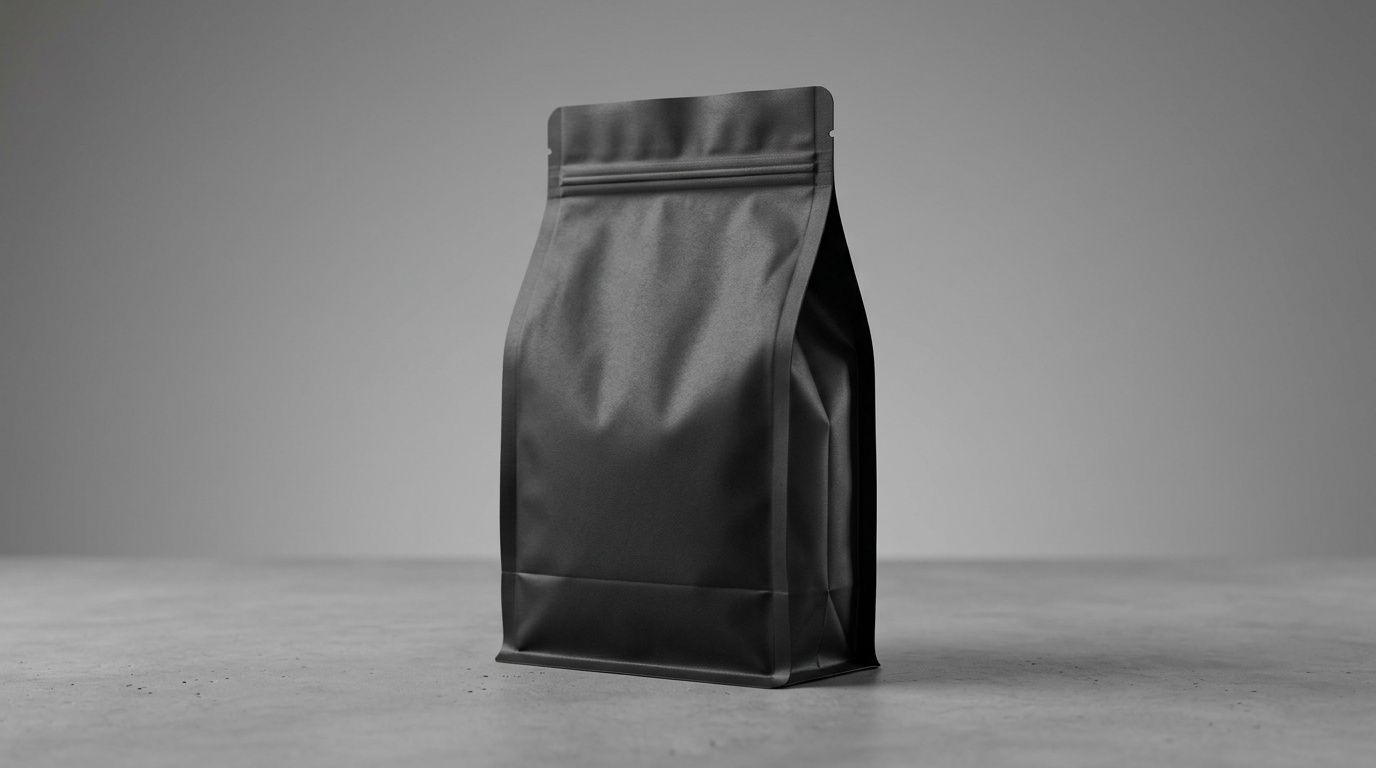
Key Takeaways
- Puncture Resistance Minimizes Spoilage: Engineering multi-layer films with superior puncture resistant film can reduce retail leakage rates from 20% to under 0.1% for sharp freeze dried products.
- Aroma Retention Drives Loyalty: Utilizing high performance aroma barrier pouches ensures 98% scent retention, directly impacting pet acceptance rates and subsequent consumer repeat purchase behavior.
- Oxidation Control Through MAP: Combining nitrogen flushing packaging with high barrier flexible packaging effectively eliminates oxygen to prevent the rancidity of delicate fats in freeze dried pet food packaging.
- Structural Integrity Protects Margins: High-strength custom pet treat bags with reinforced layers prevent micro-tears during transit, safeguarding your brand reputation and reducing the total cost of returns.
Read on to master these packaging strategies.
Introduction
For manufacturers of premium freeze dried pet food, the margin between a loyal repeat customer and a costly return often depends on the invisible integrity of a single seal. Sharp, abrasive shards of freeze-dried protein frequently act as internal daggers, puncturing standard materials and leading to retail leakage rates as high as 20%. This structural failure does more than create a mess; it destroys the internal atmosphere, causing rapid oxidation and the dissipation of the “fresh meat” scent that is vital for pet palatability.
As demonstrated in our technical evaluation video, standard freeze dried dog food pouches often succumb to micro-tears during the rigors of transit. The video reveals how transitioning to a specialized puncture resistant film can drastically shift these outcomes, reducing the powder leakage rate to less than 0.1%. By integrating high barrier flexible packaging with precise nitrogen flushing packaging, it is possible to achieve a 98% aroma retention rate, ensuring that the sensory profile of the product remains intact until the moment the consumer opens the bag.
This guide explores the engineering behind MAP pet food packaging and how selecting the correct aroma barrier pouches can safeguard your brand reputation. We will analyze the material science required to produce leak-proof pet food bags that protect delicate fats from rancidity while maintaining shelf appeal. Whether you are developing custom pet treat bags or bulk kibble solutions, understanding these barrier technologies is essential for minimizing waste and maximizing consumer trust in a competitive market.
In the premium freeze-dried pet food market, a 20% powder leakage rate is often considered an industry reality that procurement managers rarely address. Most brands treat this as an unavoidable logistics cost. At Yun Sealoong, our engineering team views a 20% failure rate not as a cost of doing business, but as a systemic collapse of material science.
When selling premium freeze-dried salmon or organ meats, every gram of dust that leaks into the shipping carton directly impacts margins. However, the financial loss is secondary to the brand damage. A consumer opening a box to find a “dusty” bag immediately perceives the product as low-quality or poorly handled. We target a 0.1% leakage rate—one in a thousand—by treating the pouch as a high-performance containment system. Achieving this requires moving beyond basic PET/PE structures and into the physics of puncture resistance and aroma-lock engineering.
The Geometry of Destruction: Why Sharp Proteins Defeat Standard Pouching
The fundamental problem with freeze-dried proteins is their morphology. Unlike kibble, which is often rounded to remove sharp edges, freeze-dried treats are brittle, glass-like structures. When 98% of the moisture is removed from a cube of beef liver, a rigid protein matrix remains. Under magnification, these cubes feature needle-like protrusions.
During transit, these sharp edges act as microscopic points of failure. As a vehicle vibrates during transport, the product performs a high-frequency abrasive action against the inner wall of the film. Standard Flexible Food Packaging Solutions often rely on a simple PET (Polyester) and PE (Polyethylene) lamination. PET provides print quality and stiffness but is brittle. PE provides the seal but often lacks the melt strength and elasticity to absorb localized kinetic energy.
Many bags arrive at retail looking intact but possess “pinhole clusters” at the bottom gusset. These microscopic punctures allow nitrogen to escape and oxygen to enter. Within 48 hours, the fats begin to oxidize, compromising the product before it is even opened. This necessitates testing for vibration durability rather than just static burst pressure.
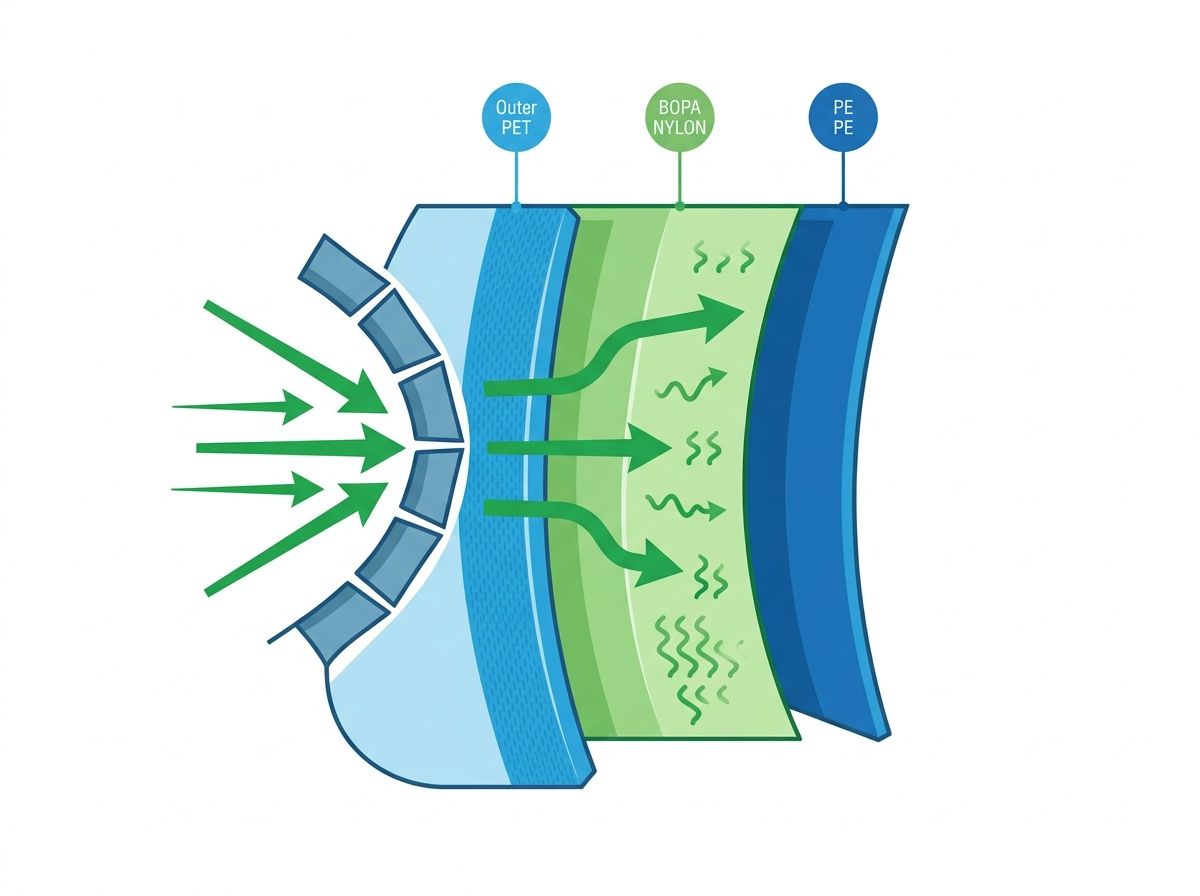
| Material Structure | Vibration Durability (Cycles to Failure) | Failure Mode |
|---|---|---|
| Standard PET/PE (100 micron) | 4,500 | Pinhole clusters at stress points |
| Matte PET/VMPET/PE (110 micron) | 6,200 | Flex-crack in metallized layer |
| PET/BOPA/LLDPE (125 micron) | 18,000+ | Minimal structural fatigue |
| PET/AL/PA/CPP (140 micron) | 25,000+ | No detectable leakage |
Technical Insight: Increasing the PE layer thickness is often insufficient to prevent punctures. Expanding PE from 60 to 80 microns adds bulk but does not address the stiffness mismatch that causes PET to crack. A dedicated buffer layer is required.
The Physics of Puncture Resistance: Beyond Microns to Molecular Toughness
To achieve a 0.1% leakage target, BOPA (Biaxially Oriented Polyamide), commonly known as Nylon, is essential. Nylon is a critical material in the high-performance functional bags category.
Nylon’s molecular structure allows for significant hydrogen bonding, providing high tensile strength and high elongation. When a sharp shard of freeze-dried protein impacts a Nylon-reinforced film, the film flexes, absorbing and redistributing the kinetic energy across the molecular chain rather than resisting with brute stiffness.
A PET/PA/PE structure is recommended for brands requiring durability without the cost of aluminum. PET serves as the substrate for high-definition gravure printing, PA (Nylon) acts as the kinetic buffer, and PE (Polyethylene) provides the hermetic seal. For 1kg or 2kg bags, omitting the Nylon layer significantly increases the risk of logistical failure.
In laboratory settings, the ASTM F1306 test—a slow-rate penetration test—is used to measure the Newtons of force a film can withstand. A standard PET/PE bag typically fails at 8 to 10 Newtons. Adding a 15-micron BOPA layer increases this to 22-25 Newtons. This 150% increase in puncture resistance is the standard required to ensure integrity throughout the supply chain.
| Lamination Structure | Puncture Force (Newtons – ASTM F1306) | Elastic Recovery Index |
|---|---|---|
| 2-Layer (PET/PE) | 9.2 N | Low |
| 3-Layer (PET/VMPET/PE) | 11.5 N | Very Low (Brittle) |
| 3-Layer (PET/BOPA/PE) | 24.8 N | High |
| 4-Layer (PET/PA/AL/PE) | 38.4 N | Extreme (Highest Safety) |
Operational Context: If fulfillment processes involve minimal padding, the Nylon Puncture Resistant Vacuum Bag is a requirement. Without the Nylon layer, internal shards will consistently compromise the barrier.
Calculating the Leakage Tax: Moving from 20% Loss to 0.1% Efficiency
Procurement evaluations often focus on the unit cost of a Freeze Dried Mylar Bag with Nylon or Aluminum layers compared to basic clear bags. However, the critical metric is the Total Cost of Ownership (TCO).
For a mid-sized brand shipping 50,000 units annually, a 20% leakage rate results in 10,000 compromised units. This involves the loss of product, shipping costs, labor for returns, and consumer trust.
Investing in higher-quality film structures usually yields a return on investment within the first three months of a product launch. An additional investment in superior film for a 50,000-unit run can save significant capital in lost product and reverse logistics. Packaging decisions should be based on the cost of failure rather than the price of the material alone.
| Metric (Per 50,000 Units) | Standard Pouch (20% Leakage) | Yun Sealoong Engineered (0.1% Leakage) |
|---|---|---|
| Average Unit Packaging Cost | $0.22 | $0.28 |
| Annual Packaging Spend | $11,000 | $14,000 |
| Product Loss (at $15 wholesale) | $150,000 (10,000 units) | $750 (50 units) |
| Shipping/Replacement Costs | $40,000 | $200 |
| Total Cost of Failure | $201,000 | $14,950 |
To evaluate the specific potential savings for a particular SKU, Contact our engineering team for a TCO simulation.
The Science of the First Sniff: Engineering 98% Aroma Retention
Pet acceptance is often determined within seconds of opening the packaging. Freeze-dried foods are highly susceptible to aroma loss because lyophilization creates a porous surface area that attracts oxygen and allows Volatile Organic Compounds (VOCs) to escape.
Aroma retention depends on the “tortuous path” of the material. In standard poly bags, scent molecules can migrate through the plastic matrix. This phenomenon, known as “aroma scalping,” results in scent loss before the package is opened.
To achieve 98% aroma retention, an Aluminum (AL) foil layer is recommended. Aluminum provides a true zero-permeability barrier, reflecting VOCs back into the bag. When a consumer opens a Matte Black PET PA AL CPP Structure, they experience a concentrated sensory profile, which drives repeat purchases. While Aluminum affects certain recyclability profiles, it is the only solution for 18-month shelf life and maximum palatability.
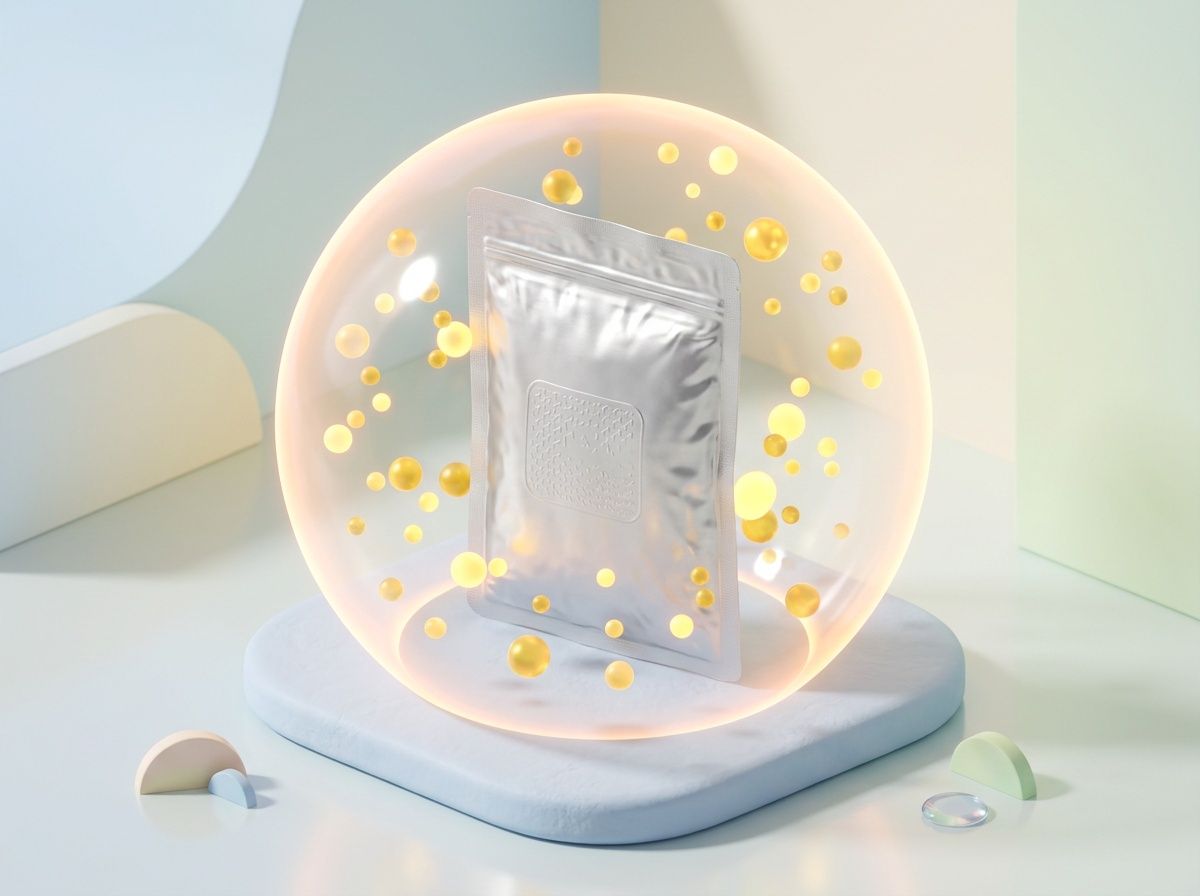
| Barrier Type | Aroma Retention (12 Months) | Oxygen Transmission (OTR) |
|---|---|---|
| Standard PET/PE | 45% | 50.0 cc/m²/day |
| High-Barrier PET (K-PET) | 72% | 5.0 cc/m²/day |
| Metallized PET (VMPET) | 85% | 1.2 cc/m²/day |
| Aluminum Foil (AL) | 98%+ | 0.001 cc/m²/day |
Technical Tip: High-fat treats can cause oil migration into the seal area. Utilizing a grease-proof inner layer like CPP or modified LLDPE prevents delamination and maintains the external tactile quality of the bag.
Oxidation Warfare: MAP and the Elimination of Rancid Fats
Oxygen exposure is the primary threat to freeze-dried products. Without water content, fats are completely exposed to oxidation, leading to rancidity and off-flavors.
Effective Modified Atmosphere Packaging (MAP), specifically nitrogen flushing, requires the residual oxygen level to stay below 2%. However, nitrogen flushing is ineffective if the freeze dried dog food pouches have a high Oxygen Transmission Rate (OTR).
Effective MAP requires:
- A True Barrier: Utilizing Aluminum or VMPET layers.
- High-Integrity Seals: Implementing ultrasonic sealing or high-melt-strength resins to ensure seals hold even if contaminated by protein dust.
- Active Scavengers: Utilizing oxygen absorber sachets as a secondary defense against potential pinholes.
Switching from a standard VMPET layer that may crack at gussets to a PET/PA/AL/PE structure can extend shelf life from four months to 24 months by preventing oxygen diffusion through material fatigue points.
Structural Architecture: Selecting the High-Stakes Pouch Format
The Premium PE Flat Bottom Zipper Pet Food Packaging is the industry standard for premium positioning, providing five panels for branding and superior shelf stability.
From an engineering perspective, flat-bottom bags present more seal intersections, which are potential leak points. Precise temperature control during manufacturing is required to prevent “tunneling” at the gusset intersections.
For freeze-dried products, hook-and-loop zippers are often superior to standard press-to-close zippers. Fine protein dust can obstruct standard zipper tracks, whereas hook-and-loop closures maintain an aroma-lock seal despite dust contamination.
- Stand-Up Pouch (SUP): Optimized for small treats (50g – 150g).
- Flat Bottom Pouch: Optimized for high-volume SKUs (250g – 1kg).
- Side Gusset Bag: Optimized for bulk applications (2kg+).
For brand differentiation, a Die-Cut Shaped Pouch can be utilized. We recommend rounded radii for custom silhouettes to prevent the corners from puncturing adjacent bags during transport.
From Extrusion to Pallet: Quality Control for Zero-Defect Manufacturing
Quality must be integrated into the manufacturing process. At Yun Sealoong, the process begins with virgin resin. We avoid recycled content for the inner contact layer to ensure consistent melt flows and seal strength.
Our QC protocol for freeze-dried packaging includes:
- Bubble Leak Test: Submerging nitrogen-filled bags in a vacuum chamber to detect any seal or film compromises.
- Pressure Test: Applying 50kg of pressure for 60 seconds to simulate palletization stress.
- Coefficient of Friction (COF) Testing: Ensuring matte-coated bags maintain stability on pallets during transport.
- Spectrophotometry: Maintaining color consistency to a Delta E of less than 2.0.
In video VID-20260607-001, our pressure-drop testing demonstrates the validation required to ensure the MAP environment remains intact until the point of consumption. Transitioning to engineered barrier systems eliminates the costs associated with “dusty” cartons and compromised product.
Conclusion
Protecting the integrity of freeze-dried proteins requires advanced material science. By leveraging BOPA (Nylon) for kinetic energy absorption and Aluminum foil for near-zero permeability, manufacturers can reduce the leakage rate from 20% to 0.1%.
As a dedicated source factory, Yun Sealoong specializes in manufacturing high-performance barrier systems designed for transit durability and 98% aroma retention. We provide technical solutions to oxidation and structural failure, ensuring premium products reach the consumer in peak condition.
To eliminate leakage and protect your margins: Contact our engineering team today for a barrier analysis or to request a sample kit of our heavy-duty puncture-resistant structures.


0 Comments