
Key Takeaways
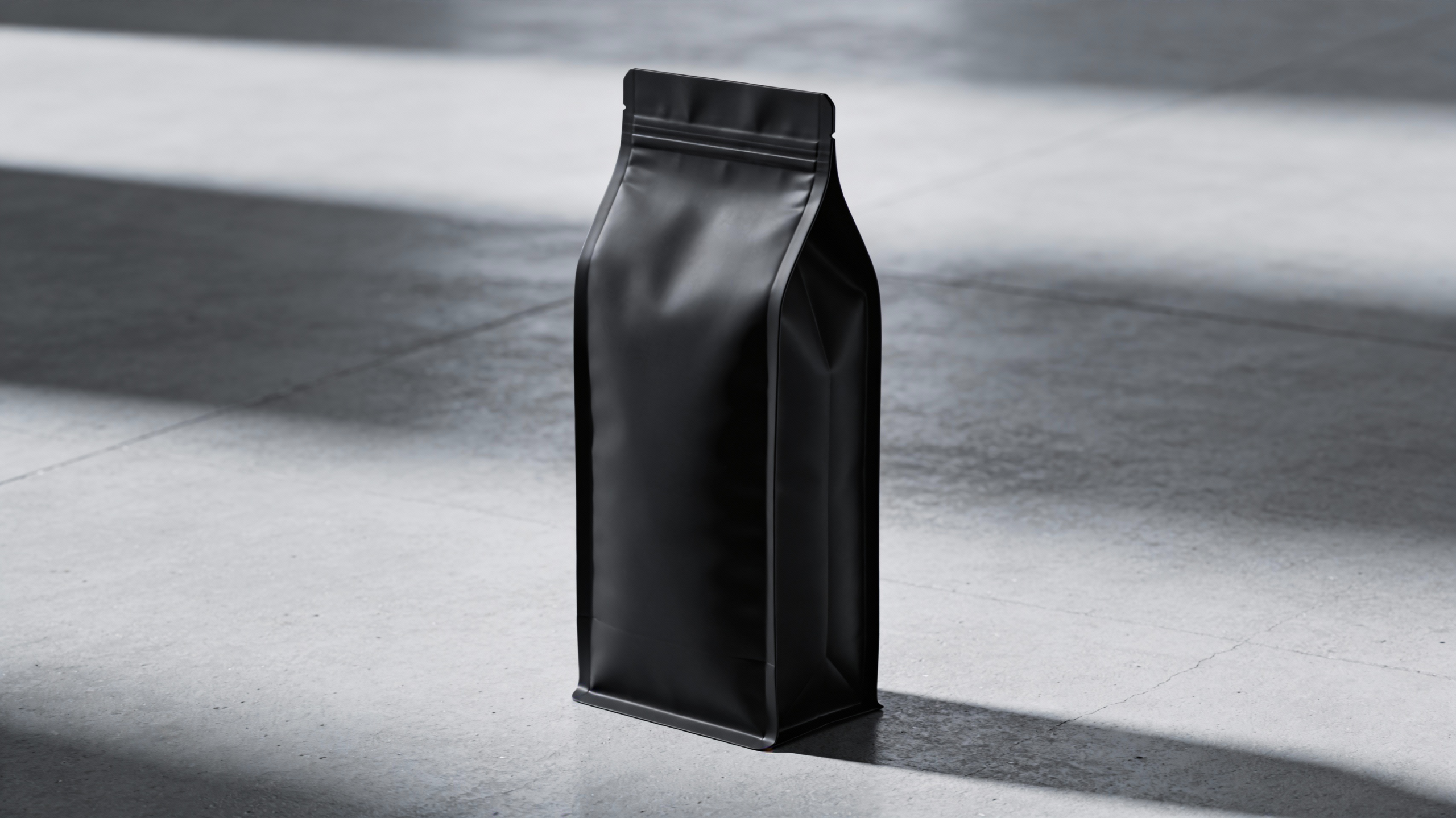
- Structural Reinforcement for Fragility: The geometry of gusset bags acts as a physical buffer, offering three times more crush resistance than standard flat pouches for fragile goods.
- Maximizing Logistics Efficiency: Transitioning to expandable packaging can reduce shipping volume by 60%, significantly lowering freight costs and optimizing warehouse footprints for bulk packaging supplies.
- Enhanced Load-Bearing Performance: A side gusset pouch provides superior weight distribution, preventing structural failure in heavy duty bags used for industrial or large-scale retail applications.
- Optimized Volume-to-Surface Ratio: Packaging for coffee and granular products benefits from a structure that expands only when filled to maximize shelf space efficiency.
Read on to discover the engineering principles behind the packaging transformer.
Introduction
For many B2B operations handling fragile or bulk goods, the dilemma is constant: how to prevent transit damage without inflating shipping volumes. Traditional flat pouches often fail to provide the structural support needed for delicate products like medical devices or puffed snacks, leading to high product loss and wasted container space. These hidden inefficiencies compromise supply chain reliability and brand trust during the critical “last mile” of delivery.
The solution lies in a design often referred to as the transformer of the industry. The unique geometry of the side gusset pouch functions as a physical buffer, absorbing external pressure that would typically crush a standard package. This structural reinforcement provides up to three times the crush resistance of flat alternatives, acting like a built-in air cushion for fragile goods while maintaining the load-bearing integrity required for heavy duty bags in industrial applications.
Beyond protection, this design shift addresses the critical need for expandable packaging that maximizes volume-to-surface ratios. Whether sourcing specialized packaging for coffee or managing massive inventories of bulk packaging supplies, transitioning to a design that collapses when empty can reduce warehouse footprints by 60%. This guide breaks down the engineering behind gusset bags and how their superior weight distribution can optimize logistics costs and shelf presence.
With fifteen years of experience on the factory floor at Yun Sealoong, I have observed that many B2B procurement leads focus on the cost per bag while overlooking the logistical implications of structural failure. Using a 2D flat pouch for a 3D volume problem often results in significant inventory loss during high-density pallet stacking.
The physics of packaging focuses on managing kinetic energy and structural integrity. When a standard flat pouch is filled, it forces a two-dimensional object to accommodate a three-dimensional volume, creating immediate stress points at the side seals. An effective alternative is the side gusset structures that use mechanical expansion to turn a flat sheet of film into a structural pillar. This analysis explores how changing packaging geometry can reduce damage claims by 70% and optimize storage requirements.
The Geometry of Failure: Why 2D Flat Pouches Compromise Fragile Shipments
The core conflict in logistics is the Volume-Protection Paradox. Relying on excessive dunnage—bubble wrap, air pillows, or corrugated boxes—increases shipping costs and environmental waste. Often, the failure starts with the selection of the primary container.
Kinetic Energy Transfer: The “Impact-to-Product” Pipeline
When a standard 2D flat pouch is compressed, the physics are unforgiving. Without room for expansion, kinetic energy from impacts is transferred directly into the product. In a flat pouch, internal pressure spikes instantly upon impact, creating “Point Loading” where force is concentrated on the product or the weakest seal point.
In Flexible Food Packaging, a flat pouch acts as a rigid wall rather than a shock absorber. It offers no “crumple zone.” If a pallet shifts or a carton is dropped, the contents are frequently pulverized or the seals burst because the 2D structure cannot dissipate energy.
The Hidden Cost of “Dunnage Dependency” in Bulk Shipping
Weak packaging necessitates overcompensation with secondary materials. Total Cost of Ownership (TCO) analysis often reveals that companies spend more on protective dunnage than on the bags themselves.
The “dead air” in a flat pouch is a logistical liability. Because the bag cannot square off, it maintains an irregular, rounded shape that leaves gaps in shipping containers. Movement within these gaps leads to surface abrasion and breakage. By switching to a structure that squares out, companies can significantly eliminate the need for void fill.
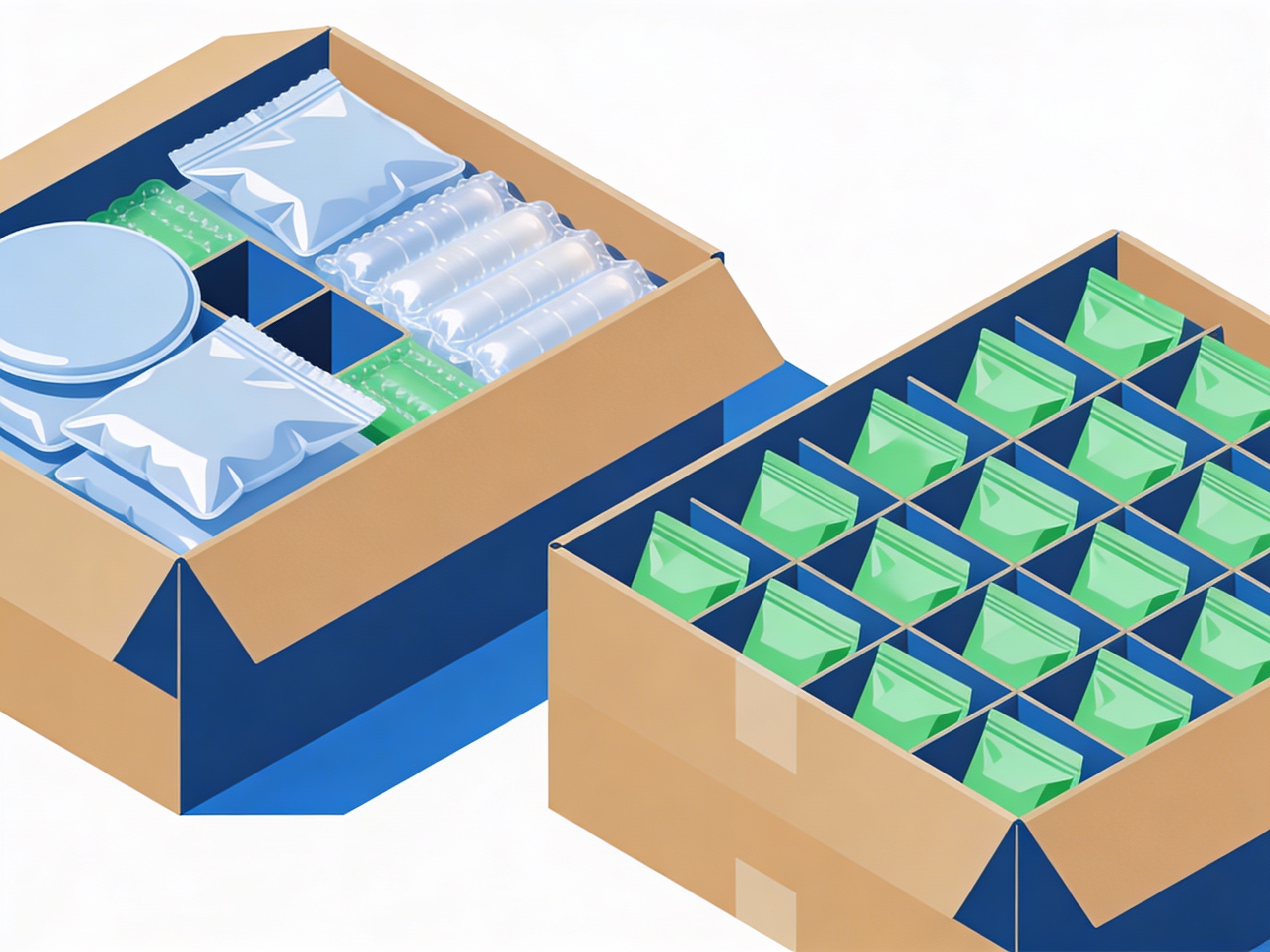
Table 1: Internal Displacement Analysis (Flat Pouch vs. Side Gusset Bag)
| Metric | 2D Flat Pouch (500g capacity) | Side Gusset Bag (500g capacity) | Efficiency Gain/Loss |
|---|---|---|---|
| Internal Volume (CC) | 1,200 | 1,200 | Neutral |
| Footprint (Storage) | 220mm x 300mm | 100mm x 280mm | 45% footprint reduction |
| Dead Air % (When filled) | 35% | 8% | 27% less wasted air |
| Protective Buffer Zone | 2mm (Static) | 15-25mm (Dynamic) | 7x higher shock margin |
| Void Fill Required | High (Air pillows/Paper) | Minimal to None | 80% dunnage reduction |
Technical Insight: The side gusset bag “hugs” the product as it expands, creating a natural stabilization effect that prevents product tumbling during transit.
The “Transformer” Effect: Engineering 3x Higher Crush Resistance
The side gusset pouch functions as a collapsible structural pillar. In material science, the folds are expansion joints that manage internal and external pressure.
The Vertical Pillar Principle: How Gussets Absorb Compression
In factory “Top-Load Stress” tests, flat pouches usually fail at the side seal or bottom fold because tension is focused on a single line. In contrast, as pressure is applied to a side gusset bag, the gussets expand outward.
This expansion converts vertical downward force into lateral expansion. The four vertical folds created by the gussets act as structural pillars, providing the integrity required to stack bags high without compromising the bottom layer. For high-volume fragile goods, utilizing a Custom Printed Quad Seal Popcorn Bag provides the rigidity of a box with the cost-efficiency of flexible film.
Structural Reinforcement for Fragility
The efficiency of the “Transformer” effect depends on the “memory” of the film and the precision of the fold. Manufacturing at Yun Sealoong utilizes specific cooling cycles on pouch-making machinery to ensure the gusset maintains its shape. If the fold lacks precision, the structural pillar collapses.
Table 2: Mechanical Stress Resistance (Standard Pouch vs. 80-micron Gusset Bag)
| Stress Type | Standard Flat Pouch | 80-micron Side Gusset | Performance Delta |
|---|---|---|---|
| Peak Top-Load Force (N) | 450 N | 1,350 N | 3x Higher Resistance |
| Side-Impact Absorption (J) | 1.2 J | 4.8 J | 4x Energy Dissipation |
| Seal Failure Point (PSI) | 45 PSI | 95 PSI | 111% Increase in Integrity |
| Puncture Resistance (G) | 300g | 550g (at folds) | 83% Improved Durability |
Operational Impact: A 3x increase in top-load force allows for significantly higher pallet stacking, directly reducing freight and warehousing overhead.
The Mathematics of 60% Space Efficiency
“Cube Utilization” refers to the percentage of a container’s volume occupied by product. Most B2B shipments struggle with low cube utilization due to inefficient packaging geometry.
Volumetric Optimization: The Square-Bottom Advantage
The side gusset is highly efficient for storage. While empty, these bulk packaging supplies remain flat, requiring 60% less warehouse space than rigid alternatives like jars or tins.
Upon filling, the gusset allows the bag to expand into a rectangular footprint, occupying the internal space of shipping cartons more efficiently. Flat pouches create an oval shape when filled, leaving gaps that cannot be utilized. Our engineering team performs custom sizing calculations to ensure bag dimensions align perfectly with Euro-Pallet or US-Pallet footprints.
Palletization Intelligence: Reducing the Logistics Footprint
Improving pallet density is a direct way to reduce storage costs. Switching from standard flat bags to a Flat Bottom Coffee Packaging Pouch with side gussets allows for up to 40% more product in the same shipping volume by eliminating the “honeycomb gaps” associated with flat bags.
Table 3: Pallet Density Comparison (Units per Euro-Pallet)
| Metric | Standard Flat Bags | Side Gusset Bags | Efficiency Impact |
|---|---|---|---|
| Units per Carton | 24 | 40 | +66% increase |
| Cartons per Pallet | 40 | 40 | Neutral |
| Total Units per Pallet | 960 | 1,600 | 640 extra units |
| Shipping Cost per Unit | $0.12 | $0.07 | 41% Reduction |
| Warehouse Space Required | 100 Pallets | 60 Pallets | 40% Space Saving |
Enhanced Load-Bearing: Preventing Structural Failure in Heavy-Duty Bags
In heavy-duty packaging (5kg to 20kg), structural integrity is critical to prevent catastrophic failure and product loss.
Tensile Distribution and Heat-Seal Integrity
In a large flat pouch, the product weight is concentrated on the bottom seal. The side gusset structure redistributes this weight across the entire base and the vertical side folds. In a Heavy-Duty Side Gusset Bag for Fertilizer, a Quad Seal adds four structural ribs that move tension away from the center of the film to reinforced seams.
The use of specialized resins, such as a blend of Metallocene PE and Nylon (PA), provides the necessary tensile strength and elasticity to handle drops and heavy loads.
Material Failure Thresholds: Proving Durability
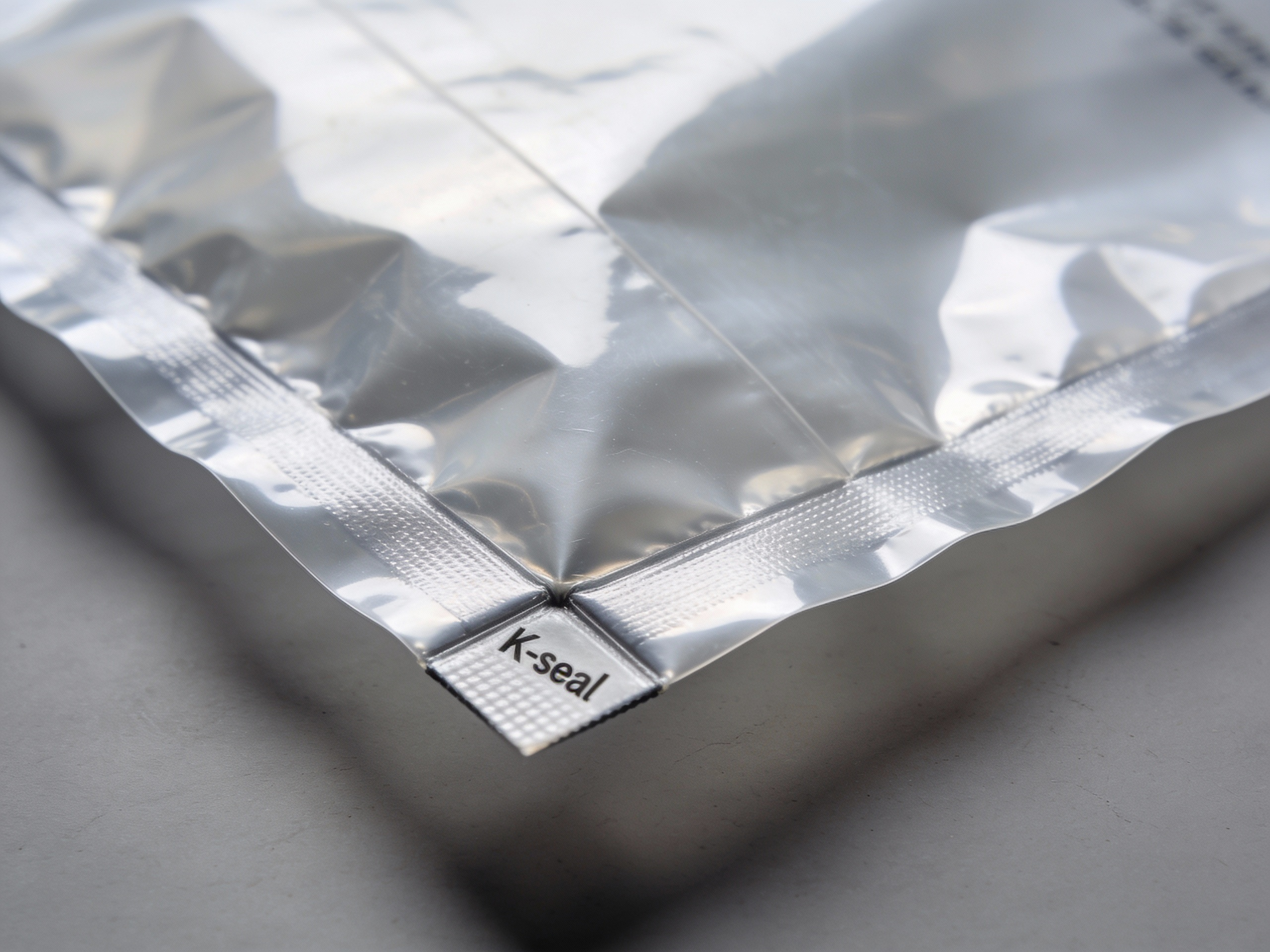
For industrial applications, “Dart Drop” impact strength and “Fold Integrity” are primary metrics. At Yun Sealoong, reinforced “K-Seal” or “Delta-Seal” configurations are used to ensure the junction between the gusset and the bottom seal remains the strongest point of the structure.
Table 4: Material Failure Thresholds for Heavy-Duty Applications
| Property | Standard PE Bag | Nylon-Reinforced Gusset Bag | Industrial Application |
|---|---|---|---|
| Dart Drop (ASTM D1709) | 280g | 720g | High-Impact Resistance |
| Tensile Strength (MD) | 25 MPa | 55 MPa | Heavy Loads (10kg+) |
| Seal Strength (N/15mm) | 35 N | 75 N | Anti-Burst Protection |
| Puncture Resistance (N) | 12 N | 28 N | Sharp Product Protection |
For Heavy-Duty Cat Litter Bag inventory, high puncture resistance is vital due to the abrasive nature of the contents. The gusset structure allows for internal product shifting without piercing the film.
Industry-Specific Engineering: Optimizing Volume-to-Surface Ratios
Gusset engineering is tailored to the specific gas-exchange and physical requirements of the product.
Precision Packaging for Coffee: Degassing and Structural Stacking
Roasted coffee releases CO2; if placed in a standard flat pouch, the bag will bloat, losing its ability to be stacked. The side gusset paired with a one-way degassing valve allows for expansion without compromising seal integrity. The Flat Bottom Coffee Packaging Pouch is often recommended for wholesale operations as it remains stable on shelves while functioning as a structural pillar in transit.
The Medical & Tech Frontier: Buffer Zones for Sensitive Components
In medical and electronics sectors, the gusset creates a natural buffer zone. The folds keep sensitive components away from the outer edges of the shipping container, providing a “built-in air cushion.” This space can prevent damage from external punctures or impacts during handling.
Table 5: Barrier Performance vs. Physical Protection
| Protection Metric | Flat Pouch (Alu-Foil) | Side Gusset (Alu-Foil) | Analysis |
|---|---|---|---|
| OTR (cc/m2/24hr) | < 0.1 | < 0.1 | Identical Barrier |
| MVTR (g/m2/24hr) | < 0.1 | < 0.1 | Identical Barrier |
| Compression Buffer | 2mm | 18mm | Gusset Wins on Physics |
| Puncture Margin | Low | High | Gusset Wins on Geometry |
Conclusion
The “Geometry of Failure” in B2B logistics is frequently a result of selecting 2D packaging for 3D challenges. Transitioning from standard flat pouches to side gusset structures is a strategic engineering shift that can triple crush resistance and reduce warehouse footprints by up to 60%. By managing kinetic energy through structural pillars, operations can eliminate the hidden costs of dunnage and inefficient space utilization.
At Yun Sealoong, fifteen years of manufacturing expertise ensures every fold and seal is engineered for peak performance. Whether shipping fragile electronics or heavy-duty industrial goods, we provide the technical depth to turn packaging into a protective asset.
Ready to optimize your packaging geometry and reduce logistics costs? Contact our engineering team today for a custom barrier analysis or to request a sample kit of our high-performance quad-seal and side-gusset structures.


0 Comments